



By LOIS DADUUT
In Nigeria’s rich and diverse culinary landscape, few dishes reflect Northern heritage as vividly as danwake.
Known for its simplicity, nutritional value and cultural significance, the meal has grown beyond its regional origins to gain popularity across the country.
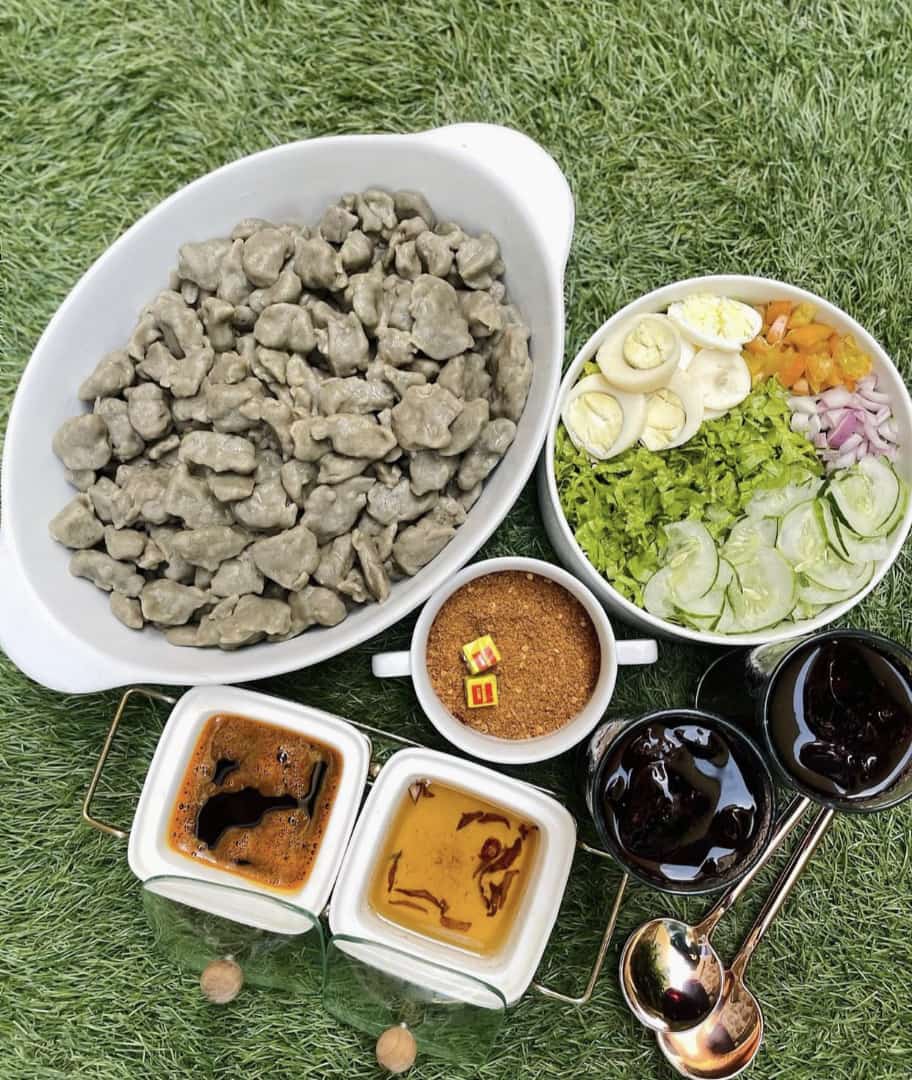
Sometimes described as Northern Nigerian “dumplings”, danwake is a traditional dish widely associated with the Hausa people.
It is made from a blend of bean flour and cassava flour, although variations may include maize or sorghum flour.
The mixture is combined with water, shaped into small balls and boiled until firm before being served.
Preparation, serving style
What sets danwake apart is not only its preparation but also its distinctive serving style.
Once cooked, the dumplings are typically topped with a flavourful mix that may include ground pepper, onions, tomatoes and yaji—a local spice blend that gives the dish its characteristic kick.
A drizzle of vegetable or palm oil enhances the taste, while some vendors and households add boiled eggs or shredded cabbage for extra richness.
“Danwake is simple but very satisfying. The way it is prepared and served makes it special,” says Hadiza Lawal, a lover of the dish.
Cultural value, growing popularity
Beyond taste, danwake carries strong cultural significance. It is a common street food in cities such as Kano, Kaduna and Zaria, where vendors serve it daily to enthusiastic customers.
For many, it is more than just food. It represents community life and shared tradition.
Its affordability and filling nature make it a favourite among students, workers and families, often consumed as lunch or an evening meal.
The growing interest in regional cuisines has also helped spread danwake beyond Northern Nigeria, where it is now served in eateries with modern variations.
Nutrition, health value
From a nutritional standpoint, danwake provides a good balance of plant-based protein and carbohydrates.
“Danwake is rich in protein and vitamins, making it energising and satisfying,” says nutritionist Comfort James, who also processes and sells danwake flour.
She adds that its reliance on locally sourced ingredients highlights the sustainability and resourcefulness of traditional Nigerian cooking.
As Nigeria continues to embrace its cultural diversity, dishes like danwake remain a reminder of the stories, traditions and shared experiences embedded in food.
Simple, hearty and deeply rooted in heritage, danwake continues to connect people across regions—one serving at a time.