



Beneath the growing mountains of refuse scattered across parts of Jos and Bukuru lies a crisis that extends far beyond environmental pollution. From rising health risks and blocked drainage systems to the erosion of the city’s reputation as a destination for tourism and investment, the consequences of poor waste management are becoming increasingly difficult to ignore. BENJAMIN DAWANG explores the concerns of residents, the warnings of health experts, the response of environmental authorities and the urgent need for collective action to restore cleanliness, protect public health and preserve the dignity of Plateau State’s capital
Jos, a city often celebrated for its serene climate and reputation as a shining symbol of Plateau State’s sobriquet as ‘Home of Peace and Tourism’, is now experiencing a growing environmental concern that is threatening both public health and the city’s image.
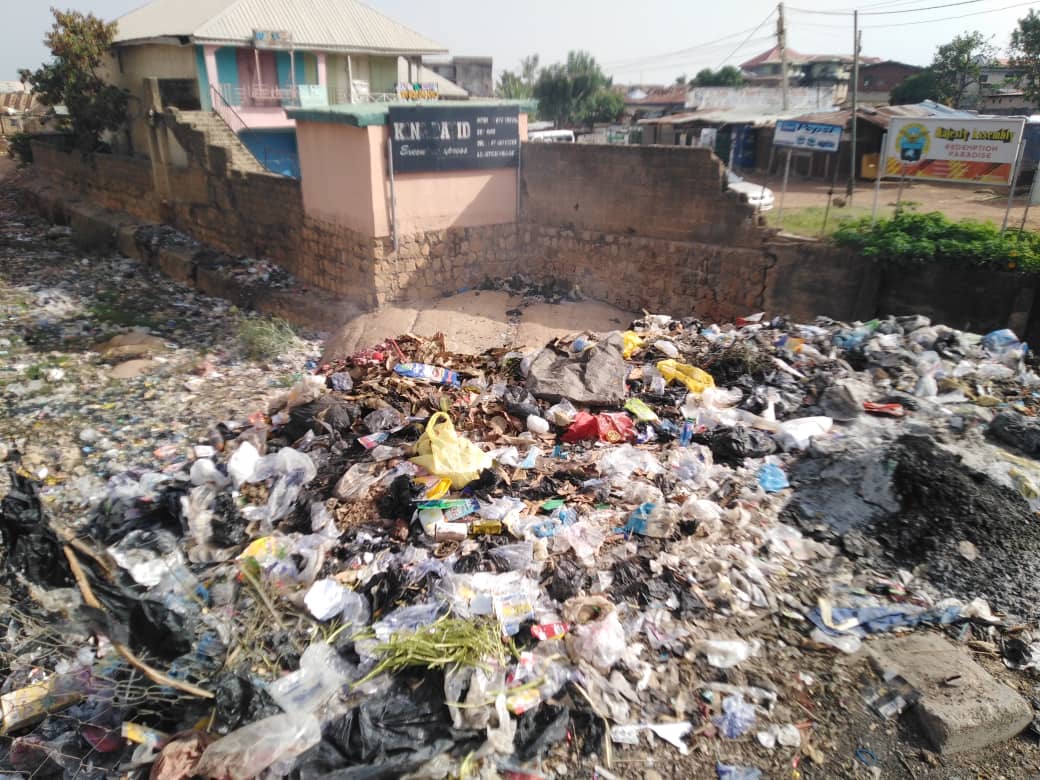
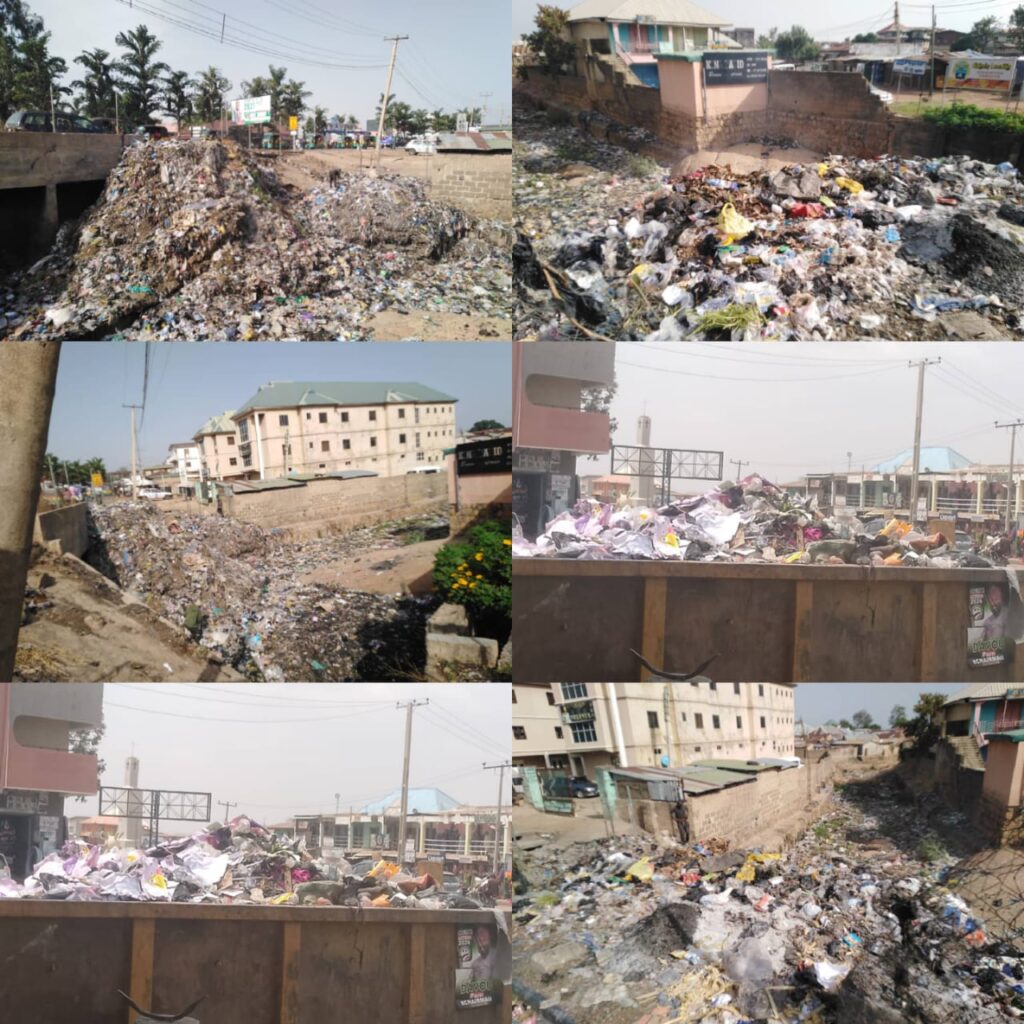
Indiscriminate refuse dumping, particularly in busy areas such as the vicinity behind Zenith Bank at Terminus and other locations across the metropolis, has become a troubling reality, raising urgent questions about sanitation, governance and community responsibility.
Across several neighbourhoods in Jos and Bukuru metropolis, heaps of uncollected waste line streets, clog drainage channels and emit foul odours, creating an unsightly appearance and providing a breeding ground for disease-carrying pests such as rats, flies and mosquitoes.
Mosquitoes, known vectors of malaria, thrive in stagnant water often trapped in discarded containers, while flies can transmit infections such as cholera and dysentery.
The implications for public health are far-reaching, especially in densely populated areas where sanitation systems are already under strain.
A passer-by near the Zenith Bank area, Gloria Umaru, did not hide her frustration.
“It is embarrassing and annoying that this is happening right at the heart of town,” she lamented.
“Jos prides itself as a tourist destination, yet refuse is piling up in such a visible place. It gives a very bad impression and puts everyone at risk.”
The risks extend beyond pest infestations.
Environmental health expert, Samimu Mohammad, highlighted water contamination as another serious consequence of indiscriminate dumping.
He noted: “Waste disposed of near water sources can seep into groundwater or be washed into streams during rainfall, contaminating drinking water and increasing the likelihood of waterborne diseases such as typhoid and cholera.”
With the rainy season gradually intensifying, these dangers are expected to increase.
Floodwaters often carry refuse into residential areas, spreading contaminants and exacerbating already fragile sanitation conditions.
Health risks, environmental consequences
A resident who uses the vicinity of the AP Filling Station, Old Bukuru Park, Jos, as her business area and identified simply as Madam Ada, shared her concerns about the situation.
Her words: “We are not happy with the way refuse is dumped indiscriminately. Those responsible for evacuation are not prompt, and this delay leads to diseases like malaria and cholera. Some of us have even fallen sick because of it. We are pleading with the government to act quickly and enforce stricter measures.”
Air pollution is another dimension of the crisis that is often overlooked.
In an attempt to reduce the volume of waste, some residents resort to burning refuse, including plastics and other non-biodegradable materials.
This practice releases toxic fumes into the atmosphere, aggravating respiratory conditions such as asthma and bronchitis, particularly among children and the elderly.
Apart from the physical health risks, the psychological toll of living in a polluted environment is significant.
Constant exposure to refuse dumps can contribute to stress, anxiety and a sense of neglect among residents.
Urban planners note that environmental degradation often erodes community pride and reduces overall quality of life.
Despite these challenges, efforts are being made to address the problem.
The Plateau Environmental Protection and Sanitation Agency (PEPSA) has intensified its campaign against indiscriminate waste disposal through a combination of public sensitisation, improved waste collection and enforcement of sanitation laws.
The Agency has also embarked on clearing blocked drainage systems to reduce flooding risks and is working closely with local governments, religious institutions and community organisations to promote environmental responsibility.
Government response, community efforts
An official of the agency who pleaded anonymity acknowledged the scale of the problem, citing inadequate funding and limited infrastructure as major constraints.
However, he emphasised that progress is being made through community-driven initiatives and increased awareness campaigns.
“Indiscriminate dumping is not just a government problem; it is a shared responsibility,” the official said.
“We are urging residents to dispose of waste properly and participate actively in sanitation exercises, especially as we approach the rainy season.”
Community leaders are also stepping in to reinforce this message.
In Rwotmun Diye of Zaramaganda, Jos South LGA, a community leader, Da Ezekiel Mancha, stressed the importance of collective action in maintaining cleanliness.
“As leaders, we have continued to encourage our people to take part in the monthly sanitation exercise,” he explained.
“We are also working with development associations to educate residents on proper waste disposal. Clean communities are essential if we are to prevent disease outbreaks, particularly during the rainy season.”
Residents like Angela Mang and Nandap Victor suggest that a multi-pronged approach is required to tackle the issue effectively.
Public awareness campaigns remain crucial in educating residents on the health dangers associated with improper waste disposal.
To Mang, “Promoting recycling and encouraging households to separate waste at source could also significantly reduce the volume of refuse ending up in open spaces.”
The way forward
Equally important is the need for stronger enforcement of environmental laws.
As Victor stated, “Without clear penalties and consistent monitoring, efforts to curb illegal dumping may yield limited results. Investment in waste management infrastructure, including more efficient collection systems and designated disposal sites, is also vital.”
For these residents, however, the solution begins with simple behavioural changes.
Proper waste disposal, participation in community clean-up exercises and holding authorities accountable are steps that can collectively transform the city’s sanitation landscape.
As the Jos/ Bukuru metropolis continues to grow and attract attention as a hub for tourism and investment, maintaining a clean and healthy environment must remain a priority because the fight against indiscriminate refuse dumping is not merely about aesthetics. It is a critical component of public health and sustainable urban living.
If left unchecked, the consequences could be severe.
But with coordinated action from government, communities and individuals, there remains hope that Jos can reclaim its reputation, not just as a city of peace and tourism, but as one that values cleanliness, health and dignity for all its residents.