



By CHRISTY ZI
The Plateau State Ministry of Lands, Survey and Town Planning says it is working to speed up land approval processes and digitise records as part of ongoing reforms aimed at improving service delivery and reducing bureaucratic delays.
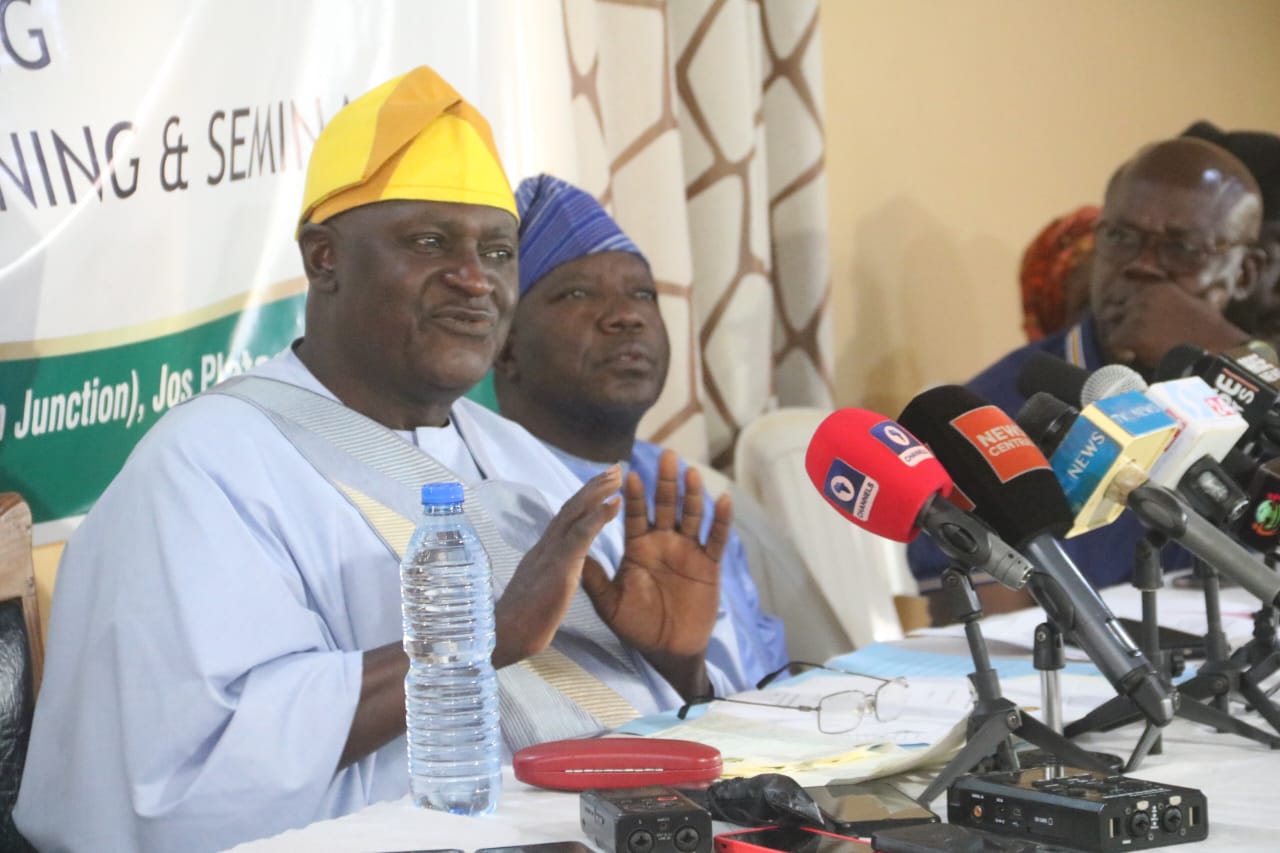
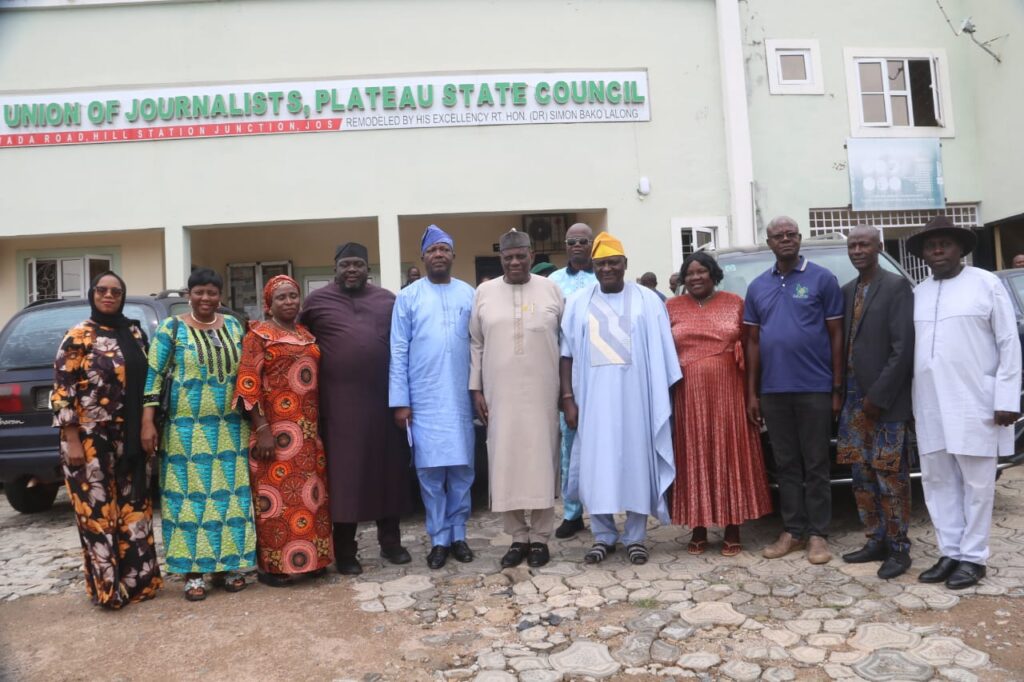
The commissioner, Barr. Peter Nyam Gai, disclosed this on Wednesday in Jos during a briefing at the NUJ Secretariat.
He said the ministry’s focus has been on improving efficiency and institutional performance within land administration.
“The focus of this administration has been to inspire and motivate staff to exceed expectations and create positive long-term change,” Gai said.
“Our approach has centered on challenging the status quo, fostering collaboration, encouraging innovation, and promoting institutional growth.”
He explained that the ministry inherited challenges including an outdated GIS platform, inadequate working tools, poor office accommodation, revenue leakages and slow service delivery.
According to him, the ministry has reduced the number of stages required to process Certificates of Occupancy from 46 to 25 as part of efforts to speed up approvals.
Gai said reforms include a central dispatch system, reorganisation of filing processes, and introduction of electronic signatures for Certificates of Occupancy.
He added that manual processes are being gradually replaced with digital systems, while land documents have been redesigned with improved security features.
In the Survey Department, he said the ministry is working with professional bodies to restore survey control points and improve mapping systems, while new software tools have been introduced to reduce delays.
He also said the Town Planning Department has strengthened development control through site inspections supported by aerial imagery and digital mapping.
Gai added that a mediation unit has been established to resolve land disputes more quickly, alongside a customer service desk and call centre for public enquiries.
The commissioner said the reforms are ongoing and aimed at improving efficiency, accountability and service delivery in land administration.
He acknowledged that challenges remain, including shortage of technical staff, weak power supply and the need for a full upgrade of the ministry’s GIS platform.