



As political activities gradually gather momentum ahead of the 2027 general elections, JENNIFER YARIMA examines the growing demand among Nigerians for leaders whose performance is measured not by campaign gifts or political rhetoric, but by tangible improvements in the lives of the people. Using the interventions of the Councillor representing Abba Na Shehu Ward in Jos North Local Government Area, the writer explores how grassroots leadership rooted in education, empowerment and security is reshaping public expectations of governance
The true test of leadership lies not in campaign promises but in measurable impact on the lives of the people.
Across Plateau State and beyond, a fundamental question is echoing through communities as preparations for the 2027 general elections gather pace: What should citizens expect from those seeking elective office?
For many residents, the answer can no longer be found in the seasonal distribution of rice, wrappers and sachets of seasoning. Increasingly, people are demanding leaders who remain visible after elections—leaders who invest in education, security, economic empowerment and community development.
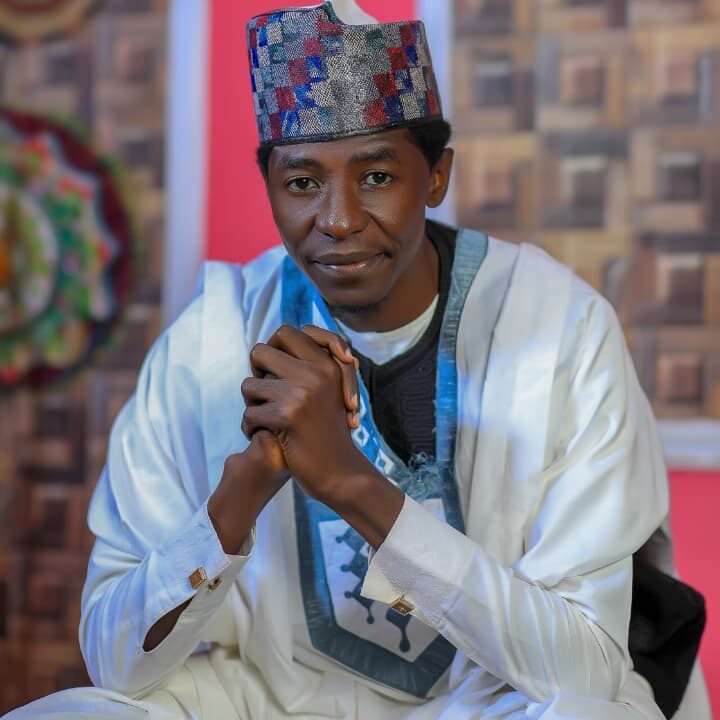
In Abba Na Shehu Ward, one of the most densely populated wards in Jos North Local Government Area, the Councillor representing the area, Auwal Tubarkallah, is seeking to answer that question through a series of grassroots interventions which residents say are already transforming lives.
For decades, grassroots politics in Nigeria has been dogged by a credibility crisis. Many elected officials are accused of disappearing immediately after elections, only to resurface when another campaign begins.
Rather than fulfilling campaign promises, many are perceived to have enriched themselves with public resources while becoming inaccessible to the very people who elected them. Their telephone lines become unreachable, while “official engagements” often serve as explanations for their absence.
The result has been growing public distrust and voter apathy. Many citizens believe they are remembered only during election periods before being abandoned for another four years.
As another election cycle approaches, many fear politicians will once again return with bags of rice, cash and other inducements, expecting voters to overlook years of neglect.
Tubarkallah, however, appears to be presenting a different model—one that places sustainable development above temporary handouts.
Since assuming office, he has consistently maintained that leadership should be evaluated by tangible impact rather than political rhetoric.
Investing in education, investing in the future
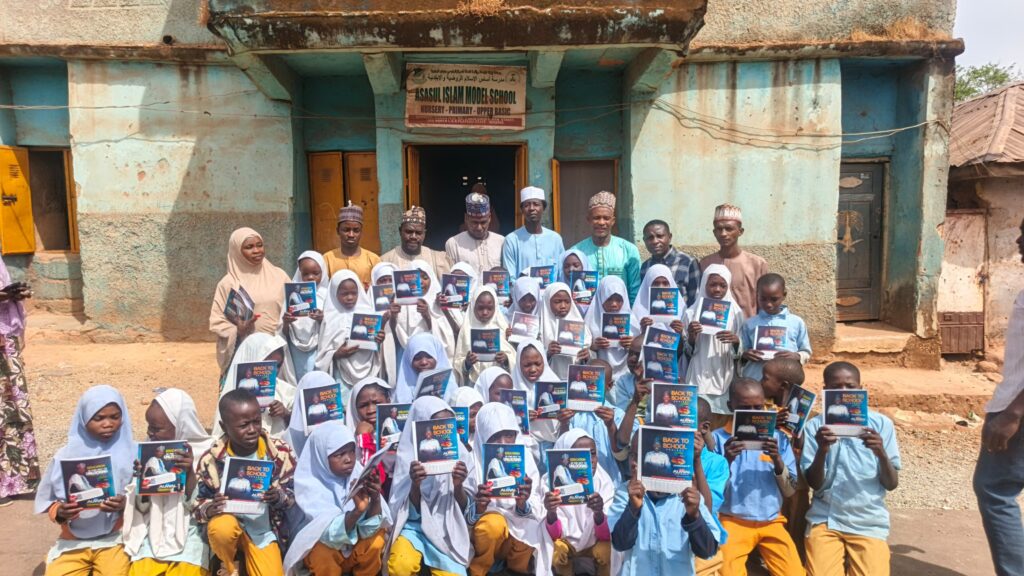
One of his most recent interventions is the distribution of exercise books to selected primary and secondary schools across the ward.
About 10 schools benefited from the initiative, including Akawu Namata Private School, Turaki Line; Savannah Private School, Kwanar Yan Gyeda; Abba Na Shehu Private School; Layan Audu Kyamkyam; and Islamia Primary School, Bauchi Road, among others.
Speaking to THE NIGERIA STANDARD, Tubarkallah explained that many families struggle to provide basic learning materials for their children.
“Education is the foundation of every child’s growth and future success,” he said. “However, many schools in Abba Na Shehu Ward still struggle with basic learning materials such as exercise books. This limits pupils’ participation in class and affects their ability to learn effectively.”
He said the initiative was designed not only to provide educational materials but also to encourage a stronger culture of learning while reducing the financial burden on parents.
“As the Ward Councillor, I believe it is important to support our schools with simple but essential tools that can make learning easier for children. This book distribution initiative was created to help pupils access writing materials, encourage a reading and learning culture, and reduce the burden on parents who may not always be able to afford these supplies.”
The initiative has received widespread commendation from school authorities.
Shema’u Soba, Assistant Headmistress of Islamia Primary School, Bauchi Road, described the councillor’s intervention as exemplary.
“If other leaders emulate the councillor, it would alleviate the plight of orphans and the less privileged in our communities and cushion the hardship faced by many parents who live from hand to mouth,” she said.
Soba also highlighted another challenge affecting education within the community.
“Most of the pupils in our environment pay less attention to Western education. Taking them off the streets requires intervention and motivation from focused leaders like what he has done. Many prefer hawking or scavenging for scrap metal instead of attending school.”
She added that the councillor also accompanied the wife of the local government chairman during the distribution of sanitary pads to schoolgirls, an intervention aimed at promoting menstrual hygiene and encouraging girl-child retention in school.
The programme specifically targets children from low- and middle-income families who often lack access to basic learning materials.
Teachers and school administrators have equally benefited, as improved availability of learning materials has enhanced classroom management and teaching effectiveness.
To ensure transparency, beneficiary schools were selected based on need and pupil population. Distribution was conducted in the presence of school heads, while registers documenting quantities supplied were signed for accountability.
According to Tubarkallah, the initiative is expected to improve classroom participation, strengthen collaboration between schools and the ward office, and encourage better learning outcomes.

Empowering people beyond politics
Beyond education, the councillor has also prioritised economic empowerment.
Recognising unemployment and poverty as major grassroots challenges, he launched a large-scale empowerment programme benefiting 250 youths and women.
Beneficiaries received vocational tools, business equipment and start-up capital to enable them become self-reliant.
Items distributed included barbing clippers, industrial shoe-making machines, car-wash support packages, tailoring machines and carpentry tools.
Among the beneficiaries is Umar Musa, a carpenter from Yan Tifa.
“I have never benefited from any government intervention all these years until now through our councillor, who has deliberately chosen to touch the lives of his constituents at the grassroots,” Musa said.
“It shows that government can truly make an impact.”
Small-scale traders also benefited from financial support.
Baba Maikosai of School Line, alongside Khadija, an akara seller, and Maggie, a petty trader, said the cash assistance had strengthened their businesses.
“The money has tremendously helped our businesses to operate without difficulties,” they said.
For Isa Salisu of Turaki Line, receiving a sewing machine has enabled him to expand his tailoring business and train apprentices.
Ali Sule also received a Point-of-Sale (POS) machine and financial support to establish a financial services business.
“We are experiencing the impact of a man who deserves to be called a worthy leader,” Sule said.
These interventions demonstrate an effort to replace political tokenism with opportunities capable of producing long-term economic benefits.

Lighting communities, restoring security
Security has also featured prominently in Tubarkallah’s development agenda.
For years, residents of Salisu Street and adjoining Streets A, B and C complained that darkness provided safe havens for criminals.
“Hoodlums usually used dark corners as hideouts to collect people’s phones and valuables,” said Suleiman Sanusi of Salisu Street.
“But now the councillor’s intervention has brightened our streets with solar-powered lamps.”
The installation of solar-powered streetlights has significantly improved visibility and restored confidence among residents.
Parents say children can now study comfortably in the evenings, while traders remain in business longer without fear of attack.
For many residents, the project represents more than infrastructure.
It demonstrates that government can respond effectively to everyday community needs when leaders are genuinely committed.
Residents also report noticeable reductions in theft and phone-snatching incidents in the affected areas.
A new benchmark for leadership
As the 2027 elections draw nearer, public discourse is gradually shifting from campaign promises to measurable performance.
Increasingly, voters want evidence of leadership rather than political slogans.
They seek books in classrooms, sanitary pads for schoolgirls, streetlights that improve security, working tools for artisans and capital for small businesses.
Tubarkallah’s approach appears to reflect this changing political culture.
Rather than relying solely on campaign rhetoric, he has focused on interventions designed to address immediate community needs while creating lasting impact.
Leadership, after all, is not about popularity but usefulness.
The experience of Abba Na Shehu Ward also offers broader lessons for governance across Nigeria.
It demonstrates that even with limited resources, elected officials can make meaningful contributions through strategic planning, transparency and community-focused interventions.
The combination of educational support, economic empowerment and improved security presents a holistic model of grassroots development that addresses both present challenges and future aspirations.
For beneficiaries, these interventions have restored confidence in government.
Rather than viewing government as distant and inaccessible, many residents now see leadership reflected in practical actions that directly improve their daily lives.
The testimonies of Shema’u Umar Soba, Umar Musa, Suleiman Sanusi, Baba Azumi Maikosai, Khadija, Isa Salisu and Ali Sule collectively reinforce the value of people-centred governance.
As Plateau State approaches another election cycle, voters face an important choice.
Will they continue to reward short-lived campaign inducements, or will they support leaders whose records demonstrate commitment through concrete action?
Ultimately, the question extends beyond one councillor.
It is about defining the kind of leadership Nigerians desire at the grassroots.
For the people of Abba Na Shehu Ward, that answer is becoming increasingly clear: leadership that provides books for children, sanitary pads for girls, lights for dark streets, tools for artisans and capital for traders.
It is leadership that remains present after elections—and one that future leaders may increasingly be judged against.