





What was once regarded as a badge of prosperity is increasingly emerging as a silent threat to health and wellbeing. In this feature, YVONNE ISHOLA examines the growing prevalence of abdominal obesity in Nigeria, drawing on medical experts and real-life experiences to show how lifestyle choices, poor diet, ageing and inactivity are fuelling the trend, while urging Nigerians to prioritise healthy living over outdated perceptions of wealth
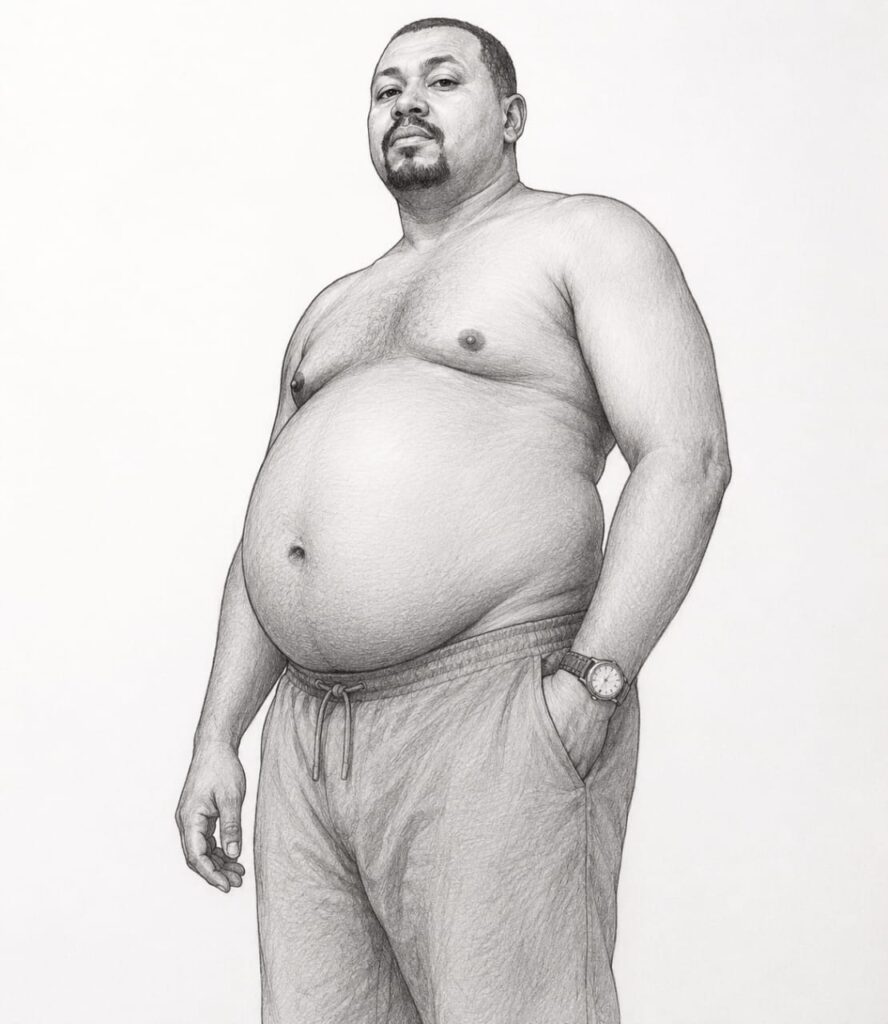
The growing prevalence of pot belly in Nigerian society has become a source of concern. It is often the first physical feature that catches the eye and, beyond affecting appearance, it alters posture, movement and overall carriage.
The long-held belief that a protruding stomach signifies affluence is gradually disappearing as more people become aware of the serious health conditions associated with abdominal obesity.
Abdominal obesity, commonly referred to as pot belly, is now recognised as a major public health challenge in Nigeria. National surveys estimate that more than 12 million Nigerian adults are obese.
While general obesity is more prevalent among women, central obesity—the accumulation of fat around the abdomen—is particularly common among older men and is increasingly viewed as a significant health risk rather than a mark of prosperity.
Changing lifestyles, changing bodies
“The overly big pot belly looks as if it is pulling its owner. Unknowingly, one starts walking, pushing everything toward it, as if it is all that matters, like a pregnancy. In most cases, it is so authoritative that even the hands of the owner have to be flung out sideways as one walks, instead of swinging back and forth,” said Mr Suleiman Ade.
Ade, who has been married for 20 years, jokingly warned his wife that, “The day she develops a pot belly is the day romance will die in our marriage.”
Across Nigeria, protruding stomachs have become increasingly common among the young and old, rich and poor alike.
There was a time when pot bellies were almost unheard of among young boys and girls. Such an appearance was often associated with pregnancy or an underlying health condition. In those days, people could easily distinguish unmarried young women from married mothers.
Mrs Ene Oche, a Jos-based woman from Benue State, recalled those years with nostalgia. “We dressed in slim-fit clothes to show off our slim waists,” she said. “It was almost an unspoken taboo for a young unmarried woman to have a protruding stomach because it reduced her chances of attracting suitors.”
According to her, many young women now enrol in fitness centres shortly before their weddings to shed excess abdominal fat and achieve the ideal bridal appearance.
Medical experts insist that pot belly is rarely caused by a single factor.
Dr Samson Lohor, Senior Registrar in Obstetrics and Gynaecology at the Jos University Teaching Hospital (JUTH), explained that excess abdominal fat in women usually results from a combination of hormonal changes, biological factors and lifestyle choices.
He identified common causes to include medical conditions such as Polycystic Ovarian Syndrome (PCOS), Cushing’s syndrome, menopause, insulin resistance, prediabetes, hypothyroidism, fibroids and ovarian cysts.
Dr Lohor also pointed to childbirth-related conditions such as diastasis recti, where the abdominal muscles separate, leaving a persistent bulge even after delivery.
Lifestyle factors, including excessive consumption of refined carbohydrates, sugary foods and alcohol, chronic stress, inadequate sleep, ageing and physical inactivity, also contribute significantly to abdominal obesity.
A nurse, Talatu Ralph, observed that urbanisation and modern work patterns have drastically reduced daily physical activity.
“Wealth and position often mean everything is done for you. Instead of exercising, fat accumulates, with potentially life-threatening consequences,” she said.
The human, health consequences
For many families, the consequences of abdominal obesity extend beyond appearance.
A military officer, who preferred anonymity, recounted how his marriage nearly collapsed after his wife adopted a sedentary lifestyle while he was deployed to Maiduguri and she remained in Lagos for security reasons.
“When I came home for Christmas, she had doubled in size and her pot belly rested on her thighs,” he recalled, sadly.
According to him, medical intervention became necessary after they discovered that his wife’s inactivity, coupled with delegating virtually every household responsibility to domestic help, had contributed to her condition. It took years of dieting and significant lifestyle changes before she regained her former physique.
Mrs Mantoe shared a similar experience. Years of inactivity have left her unable to walk even short distances or stand for more than two minutes without pain. Today, she spends considerable sums on medical care simply to remain mobile.
Alcohol consumption has also emerged as a major contributor.
Mr Ibrahim Adetunde, an avid golfer, said he never developed a pot belly until he reached his 50s, when his routine revolved around golf and evenings spent drinking beer.
“In the past five years, I have spent almost every evening at the golf club drinking alcohol, usually accompanied by different kinds of meat,” he said.
Retired nurse, Mrs Martha Zi, explained that the liver prioritises processing alcohol, causing excess calories from both drinks and food to be stored as fat. She added that ageing naturally slows metabolism, making abdominal weight gain much easier unless calorie intake is reduced.
Lifestyle changes have further worsened the problem. Increased consumption of processed foods, sugary drinks and calorie-rich meals, especially late at night, have contributed significantly to the growing prevalence of pot belly.
Amina Bala blamed poor eating habits among many young Nigerians.
“Many young people have protruding stomachs because we don’t eat properly,” she said. “We choose ice cream over moi moi, pastries instead of balanced meals, and survive on noodles, sugary drinks and processed foods like sardines, baked beans, Geisha, Pringles and popcorn. These foods do far more harm than good.”
She also observed that many Nigerian families continue to consume heavy meals, particularly swallow and soup, late at night, despite the associated health risks.
A threat that can be prevented
Historically, a protruding stomach symbolised affluence and comfortable living in many Nigerian communities. The image of a wealthy man was often that of someone with a large stomach, a perception that discouraged many people from addressing excess weight until health complications emerged.
Mrs Chinyere Obi explained that among some Igbo communities, a slightly protruding stomach in married women has traditionally been regarded as evidence that they are well cared for.
However, she noted that attitudes are changing, with many women now making deliberate efforts to maintain healthier body shapes.
Medical experts warn that excessive abdominal fat significantly increases the risk of cardiovascular disease, hypertension and Type 2 diabetes because visceral fat contributes to insulin resistance and places additional strain on the heart.
They further advise anyone experiencing symptoms such as irregular menstruation, severe fatigue, high blood pressure or sudden rapid weight gain alongside a protruding stomach to seek prompt medical evaluation for conditions including PCOS, diabetes or thyroid disorders.
In an era where sudden health emergencies have become increasingly common, experts say regular health checks and proper weight management should become priorities for every Nigerian.
While pot belly may once have been celebrated as a symbol of success, the evidence now points in a different direction. More often than not, it reflects unhealthy lifestyle choices and underlying medical risks rather than prosperity.
The good news, however, is that abdominal obesity is largely preventable and, in many cases, reversible through healthier eating habits, regular physical activity and timely medical attention.
As the saying goes, health remains the greatest wealth.