



By FRANCISCA ADIDI
SACK farming, one of the latest innovations in Nigerian agriculture, has gained wide acceptance among residents of Jos, the Plateau State capital, and other urban centres across the country.
Many people have embraced this method as an effective way of improving food security by making use of limited spaces within their homes, where agriculture competes with household needs and urbanisation for land.
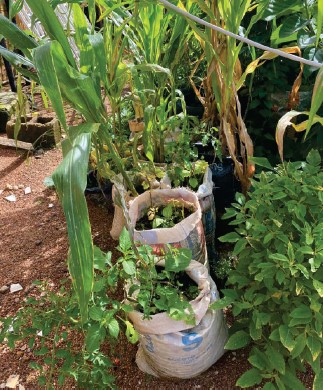
The technique is particularly suited for small spaces, making it possible for households to grow vegetables and crops in sacks on verandas, compounds or any available corner for personal consumption or income.
Agricultural experts have identified sack farming as a vital tool for ensuring food and nutrition security, especially for urban dwellers. It provides fresh vegetables at the doorstep, reducing dependence on markets. With land becoming scarce due to industrialisation and urbanisation, this small-space innovation offers a practical way to make productive use of backyards and house frontages.
Benefits
Sack farming, also known as bag gardening, involves growing crops such as tomatoes, peppers and leafy vegetables in soil-filled sacks or polythene bags. It is ideal for city dwellers with limited access to land or those facing poor soil quality.
The method is portable, low-cost and accessible to people with limited resources or those living in rented houses. It thrives in areas with poor soil quality or even tiled compounds where traditional gardening is impossible.
Farmers fill sacks with a mix of soil, compost, manure or chicken droppings to nourish the crops.
A wide variety of crops can be grown in sacks. These range from vegetables to sweet potatoes, maize and even yams. Some farmers have even turned refuse dumps into profitable ventures by selling sack soil to growers.
Plateau sack farmers share their experiences
For Mrs Talatu Garba of Rantya, Jos South Local Government Area, sack farming was a lifeline during Nigeria’s worsen i ng economic crisis in 2024.
“When the hardship deepened, I decided to embrace sack farming to reduce expenses on vegetables and food items. Money was hard to get, and the market was too expensive. After seeing my neighbour’s thriving sack farm, I decided to give it a try and it worked for me,” she said.
Madam Esther of Federal Lowcost, Jos, explained how sack farming has opened up new economic opportunities: “Refuse dump sites are now money-making ventures. A bag of soil costs N600, and I bought seven bags for my vegetables and yam.”
Similarly, Mr Benjamin of Rantya Village shared his excitement: “I planted sweet potatoes during the dry season and harvested bags full. The yield was amazing, far more than I expected from just a few sacks.”
Advantages, challenges of sack farming
According to farmers like Mr Ephraim, sack farming offers space efficiency, affordability and easy accessibility. Crops are grown right at the doorstep, making daily care convenient. It is also suitable for all seasons, easy to replant and can be disposed of when necessary.
However, challenges remain. The soil in sacks dries out quickly, requiring frequent watering, while limited root space can affect yields. The method also relies heavily on nutrient-rich manure for best results.
Mrs Justina, another Plateau farmer, sees experimentation as the secret to success.
“I always try new crops in sacks. Some fail, others thrive. I’ve successfully grown sweet potatoes, yam, maize, Irish potatoes, okro, waterleaf, spinach, tomatoes and chilli pepper. Since I started, I haven’t bought vegetables from the market in 2025.”
Experts encourage more households to adopt this innovation as a smart, sustainable way to ensure food security, especially in urban environments where space is scarce. Sack farming, they say, is truly a game-changer for urban agriculture and home gardening.