


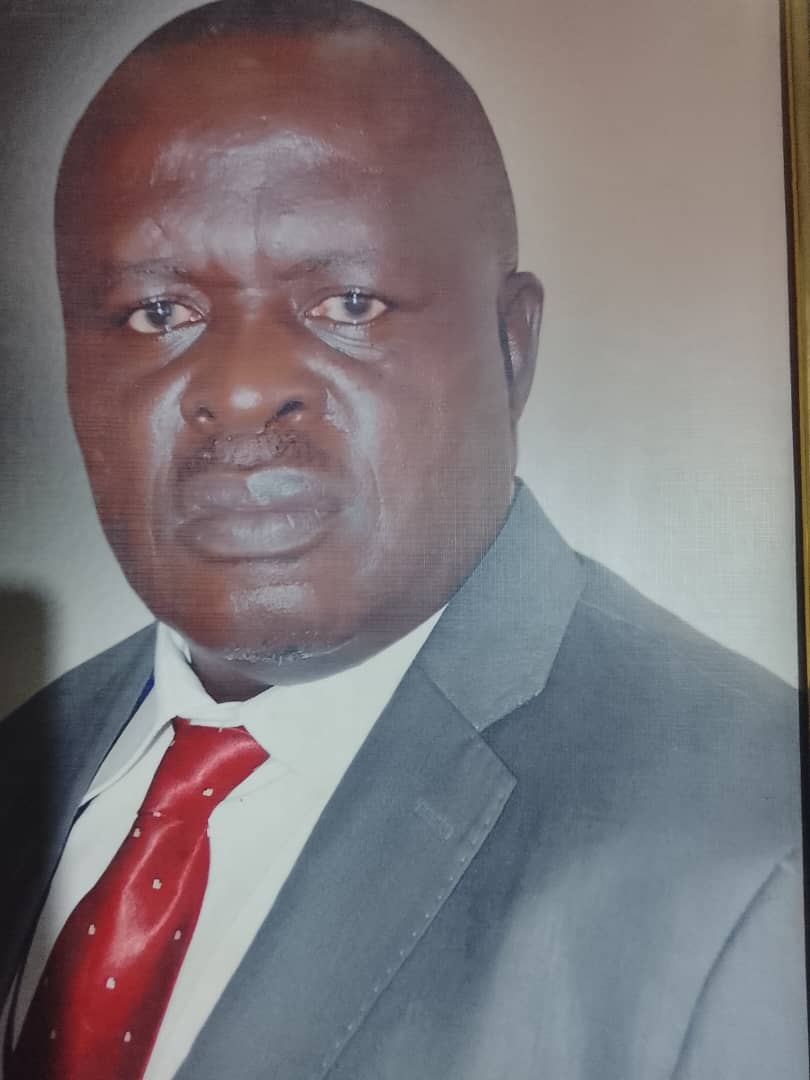

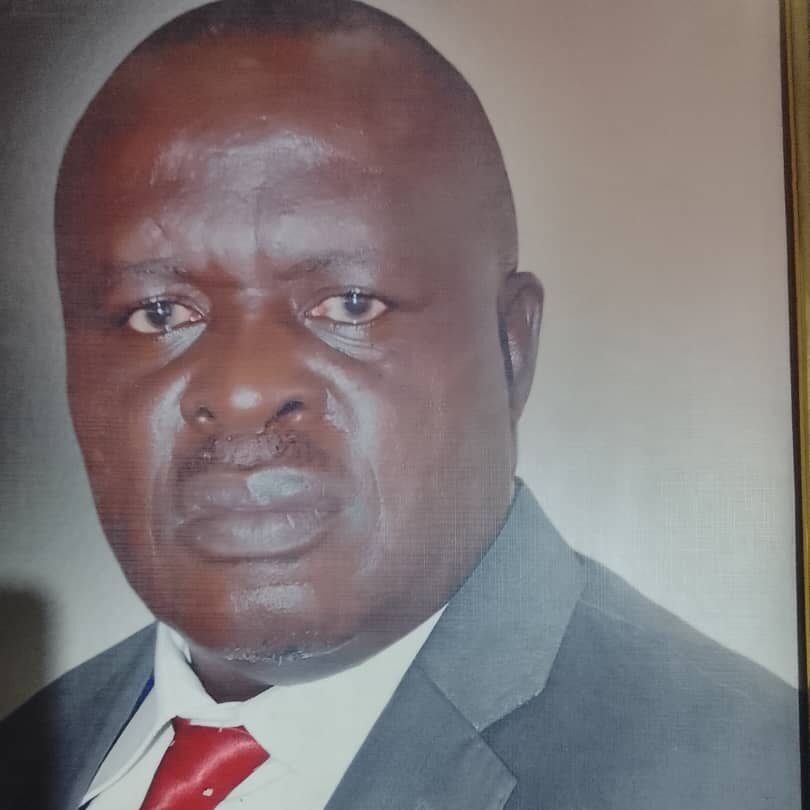
CHOLLOM GYANG
From some available indices deduced from daily occurrences, Nigeria has sadly graduated into one of the most unsafe countries in the world. There is hardly any need to argue about the severity of terrorism in the country, with some reports even describing Nigeria as one of the most dangerous places in the world for Christians.
The entire scenario, backed by statistics and the experiences of affected communities, is deeply unfortunate and disheartening.
What started decades ago, particularly on the Plateau, as isolated urban demonstrations in localised communities of Jos has eventually evolved into full-blown terrorism.
Life in the country has suddenly been reduced to Thomas Hobbes’ description of existence as “nasty, solitary, poor, short and brutish.” Within the blink of an eye, an entire village can be wiped from the surface of the earth, leaving little trace that it ever existed.
At times, attackers kill villagers while sparing residential structures for eventual occupation. All these difficult-to-believe and horrendous acts occur, on many occasions, in the presence of security personnel.
Mass burials have become a painful reality of daily life. Pastors can no longer keep track of the number of their members gruesomely murdered or the funerals conducted in a week — assuming the pastors themselves survive to conduct such burials and maintain the records.
Sometimes, the killers do not even allow mourners to complete the burial of victims. Corpses have reportedly been abandoned at gravesides after attackers targeted mourners during funerals. Senator Gyang Dantong and Hon. James Gyang Fulani met their untimely deaths during one such mass burial.
We may wish to, and usually do, play politics with the real issues behind our current state of anomie. We certainly cannot pretend to be ignorant of the reality.
One disturbing fact that cannot be ignored is that, so far, the Nigerian state has employed what appears to be a soft-handed approach to addressing a full-blown wave of terrorism across the country.
At the height of the gruesome attacks in Benue State, elders from the state visited Aso Rock to seek solutions. They returned disappointed after Muhammadu Buhari, then President, reportedly urged them to return home and live peacefully with their neighbours. T
he question was: who were these neighbours? The answer, according to the author’s argument, was Fulani herders accused of carrying out attacks.
Was it any better or different when leaders from Plateau State visited President Tinubu recently? Instead of raising fundamental issues surrounding the killings and seeking concrete measures to address the insecurity, the dialogue was reduced to an indigene-settler discussion. It ended with directives for the state to review its indigene status and consider accommodating non-autochthones of Jos North in the state civil service.
These directives raise pertinent questions. Were the Chibok schoolgirls abducted by Boko Haram because of disagreements over indigene-settler status? Was the Emir of Gobir abducted and killed because of questions surrounding indigeneity in Sokoto State?
Katsina, Niger, Zamfara, Kebbi and Kano states are today grappling with serious insecurity. Yet, their security crises are not officially explained through the lens of indigeneity in the same way the Plateau crisis often is.
Has government considered whether such diversionary descriptions of the violence contribute to the deepening of insecurity?
More divisions, same security challenge?
Bringing the military closer to traumatised communities, as envisioned in the restructuring of the Army through the creation of more divisions, may sound like a noble and innovative initiative. It is undoubtedly intended to strengthen the response to insecurity.
However, the overemphasis on the narrative of herder-farmer clashes has failed to identify the problem clearly. Describing the violence simply as farmers and herders fighting does not adequately capture the nature of the attacks, particularly across the Middle Belt.
Bringing soldiers closer to communities, on its own, may therefore not solve the problem. If anything, past experience suggests that it could compound the crisis. Communities with military checkpoints nearby are often among those that continue to suffer attacks.
If the mere presence of the military were sufficient to guarantee security, Irigwe Chiefdom in Bassa Local Government Area of Plateau State would not have experienced the scale of loss of lives, property and socioeconomic disruption attributed to attacks by armed groups.
The Maxwell Khobe Cantonment is only a short distance from Miango, the headquarters of Irigwe Chiefdom. The experience, therefore, suggests that the issue is not simply the location or proximity of military formations but their rules of engagement.
This is why observers should not be impressed merely by an increase in the number of Army divisions or their deployment to states facing security challenges. The strategy must go beyond the presence of armed personnel. The real test lies in the mandate given to those personnel and how effectively they are expected to act.
The central issue is, therefore, not the physical location of troops but the commands issued to them. Questions surrounding military orders and operational priorities require far greater scrutiny.
Recently, social media carried a disturbing account of communities in Kajuru Local Government Area of Kaduna State allegedly overwhelmed by armed groups. According to the account, villagers were reportedly forced to sign undertakings with terrorists in their ancestral communities and accept conditions dictated by their attackers.
The alleged conditions included restrictions on clothing and the types of motorcycles villagers could use, as well as other deeply disturbing demands. Even compliance, offered no guarantee of survival.
Trust, accountability, the military
The worsening insecurity in the country is now impossible to ignore. Nigerians have repeatedly witnessed or attended mass burials of villagers killed in attacks. On the Plateau, communities have continued to point to settlements allegedly used as bases by armed groups.
Some security personnel deployed to the state maintain close relationships with residents of such settlements while appearing less engaged with indigenous communities. Such perceptions, whether substantiated or not, have contributed to distrust between sections of the population and the military.
The country’s security challenge extends far beyond the Middle Belt. Nigerians are confronted by highway kidnappers who torture victims, record their suffering and demand ransom. Women have also been subjected to sexual violence, while people are abducted from their homes and taken into forests or mountains.
The ease with which such crimes occur has strengthened the perception among some citizens that the country is either overwhelmed by insecurity or that elements within the system are complicit. How do we explain the developments surrounding the evacuation of schoolchildren — including the reported withdrawal of security personnel from institutions shortly before attacks? These raise serious questions about possible compromise or intelligence failures.
In the final analysis, this writer strongly believes that many Nigerians have come to the conclusion that insecurity is politically sponsored. Alhaji Kawu Baraje, a former national secretary of a major political party, reportedly told the media years ago that Fulani fighters from neighbouring West African countries had been brought into Nigeria to help remove Goodluck Jonathan from office in 2015.
Such an allegation is serious and requires evidence and proper investigation rather than assumption. However, the failure of political actors and security institutions to adequately address such claims has allowed suspicion to deepen among vulnerable communities.
Communities increasingly prefer relying on vigilantes rather than trusting the military to protect them. Communities across Mangu, Bokkos, Barkin Ladi, Riyom and Bassa local government areas have their respective accounts of attacks and alleged failures by security personnel.
During the recent attack in Takkas community of Pankshin Local Government Area, there where allegations about a helicopter landing in the area before the attack. Such claims require thorough and independent investigation rather than speculation.
The broader concern is clear: when citizens lose confidence in their military, the consequences extend beyond individual attacks. It becomes a crisis of legitimacy and public trust.
From Chibok to Dapchi, Maga to Orire, Mangu to Bokkos, Riyom to Gwol, Jos South to Bassa, Nigerians have repeatedly received explanations from authorities that have failed to convince affected communities.
The restructuring of the Army may, therefore, be necessary. But it cannot be sufficient on its own. More divisions, more barracks and more checkpoints will mean little if troops lack the intelligence, operational mandate, accountability and public confidence required to protect civilians.
The real test of restructuring is not how many formations the Army creates, but whether Nigerians feel safer because of them.
Gyang is the General Secretary of the Berom Educational and Cultural Organisation, BECO