



As Plateau State gradually moves towards another decisive electoral contest, the challenge before political leaders extends beyond winning votes to preserving the peace, unity and democratic values of the state. SEKYEN WALSHAK examines the enormous responsibility confronting Sir Joseph Ari as he assumes leadership of the APC’s 2027 Central Campaign Council and the expectations that come with the assignment
No doubt, the long-awaited 2027 general elections in Nigeria are gradually becoming a reality, with the presidential and National Assembly elections scheduled by the Independent National Electoral Commission (INEC) for January 16, while the governorship and State Houses of Assembly elections are slated for February 6, 2027.
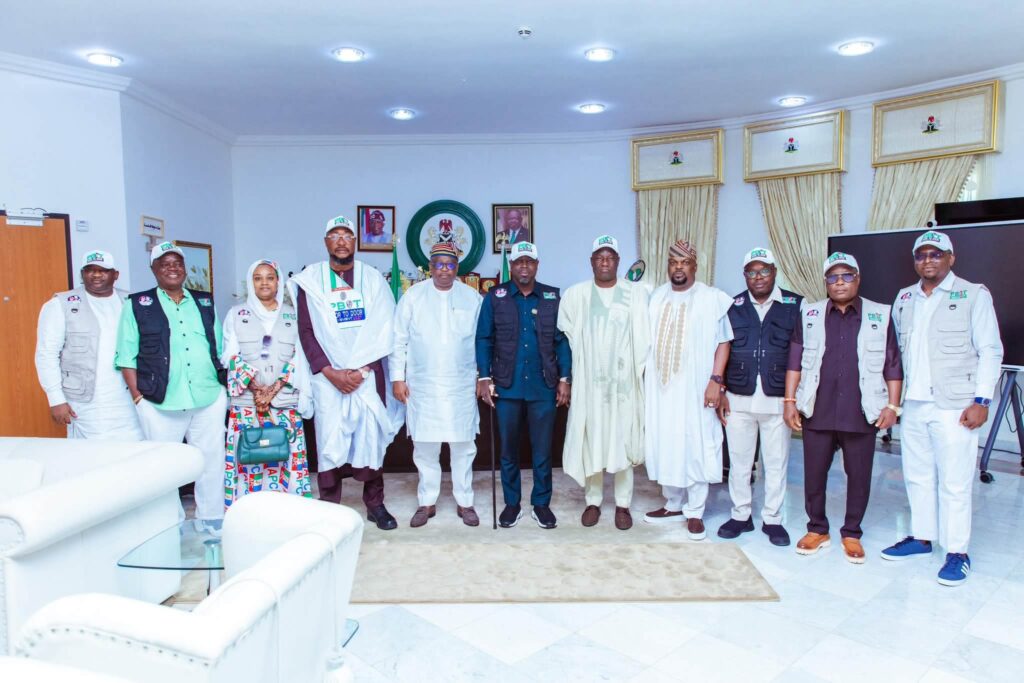
With barely 75 days to the general elections, the Plateau State political landscape is gradually taking shape following the constitution of a 163-member central campaign council, comprising 48 directors, with the former Director-General of the Industrial Training Fund (ITF), Sir Joseph Ari, appointed as Director-General.
He will be assisted by a former member of the House of Representatives representing Jos North/Bassa Federal Constituency, Hon Baba Hassan.
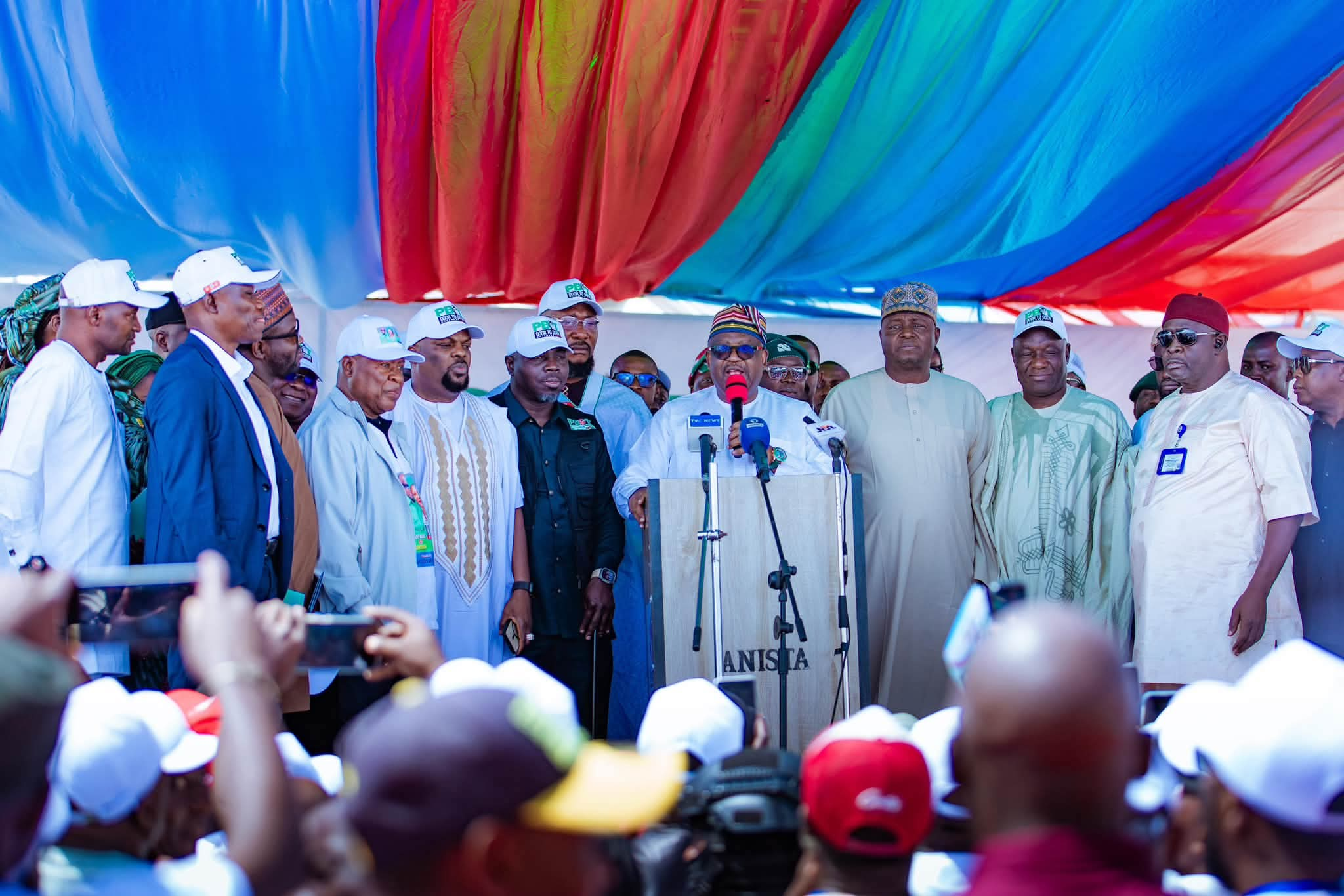
The council was officially inaugurated by Governor Mutfwang on November 2, 2026, to coordinate the party’s activities and mobilise support for its candidates ahead of the 2027 elections.
Apparently, its responsibilities are enormous. Beyond coordinating support for the Mutfwang/Piyo second-term ambition and mobilising support for President Tinubu and Vice-President Kashim Shettima, the council is also expected to reconcile aggrieved party members, communicate government policies and achievements to the electorate and promote peaceful electioneering across the state.
With more than 115 registered support groups, the ruling All Progressives Congress (APC) in Plateau State is preparing to formally commence its campaign activities following the November 14 flag-off. The council is expected to coordinate the party’s political activities across the state and mobilise support for its various candidates seeking elective positions.
For Ari, however, success should not be an entirely new assignment. As a former DG of the ITF, he has earned recognition through years of service, hard work, transparency and dedication, helping to place Plateau State on the national map. His record in public service is one reason many Plateau people will be watching closely to see how he handles this new responsibility.
The expectations are high, and rightly so. But this time around, the responsibility before him goes beyond political mobilisation and securing victory for his party. It is also about demonstrating that political leadership and campaign management can be exercised without sacrificing the peace and unity of the state.
The expectations, the challenges
The council has promised to deliver on its mandate through strategic grassroots mobilisation, teamwork and effective communication.
Ari has also maintained that the campaign under his leadership will be anchored on facts, issues and peace, devoid of bitterness, acrimony and mudslinging. He said this would be in line with Governor Mutfwang’s ‘Time Is Now’ philosophy, which prioritises unity, mutual respect and development, when he officially accepted the mandate.
“The assignment before us is enormous, but we are prepared. This campaign will be factual, issue-based, and people-centred. We will go to every ward and every polling unit to sell our message of continuity, peace, and progress,” Ari stated.
Ari noted that the emerging momentum and enthusiasm indicate that Plateau people are willing to sustain the current development trajectory under President Tinubu at the centre and Governor Mutfwang in the state.
While these expressions of support may be encouraging for the APC, they must not be mistaken for a reason to undermine the democratic space or create the impression that political participation should be limited to one party.
With 17 political parties expected to field candidates in Plateau State’s February 6, 2027 governorship election, the political contest is expected to be intense. It is worthy of note that the 17 governorship candidates in the state are as contained in the final official list issued by the Independent National Electoral Commission (INEC).
The growing debate around political dominance and the idea of a one-party system makes the responsibility before the campaign council even more significant.
Plateau is a state with a history of political differences, competing interests and challenges that require collective responsibility. Thus, elections should provide opportunities for citizens to make choices, assess leadership and determine who deserves their mandate. They should not become a reason to deepen divisions or threaten the peaceful coexistence of communities.
Whether the APC wins or loses in some constituencies, or whether its candidates emerge victorious or their opponents take the day, the state must remain bigger than any political party or individual ambition.
At the end of every election, there must be winners and losers. That is the reality of democracy. What must not happen is for the contest to produce a divided state, damaged relationships, violence and citizens who see one another as enemies because of their political choices.
Beyond electoral victory
With the way Plateau politics has evolved and concerns among some citizens about participating in the electoral process, many will be watching closely to see what Ari delivers. Some may even be asking whether he is truly the man capable of managing the enormous responsibility placed on his shoulders.
To whom much is given, much is expected. Ari must understand that his responsibility is not limited to delivering electoral victory for the APC and its candidates. He owes Plateau a campaign that promotes fairness, tolerance, mutual respect and unity, even among citizens who have chosen to support different political parties and candidates.
He must, therefore, ensure that the campaign council does not become an instrument of political division but a platform for constructive engagement, peaceful mobilisation and issue-based competition.
The right to campaign, associate and support a candidate of one’s choice must be respected, regardless of political affiliation.
Ari has an opportunity to distinguish himself, not merely as a successful campaign DG who delivers electoral victory for his party, but as a political leader who helps preserve the unity of Plateau State despite the competing interests of 17 political parties.
The ultimate measure of his success should not only be the number of votes secured by the APC but also whether Plateau emerges from the election with its peace, relationships and democratic values intact.
The inauguration of the council may have set the stage for political mobilisation across the state. But the real test of Ari’s leadership will be how he manages the political differences, expectations and tensions that come with the 2027 elections.
Plateau must not become the price of political victory.