



By SEKYEN WALSHAK
For many children, school is meant to feel like a second home—a place where they are safe, guided and allowed to grow. It is where friendships are formed, values take shape and dreams quietly begin to take root.But in parts of Plateau State, that sense of safety is fading fast.
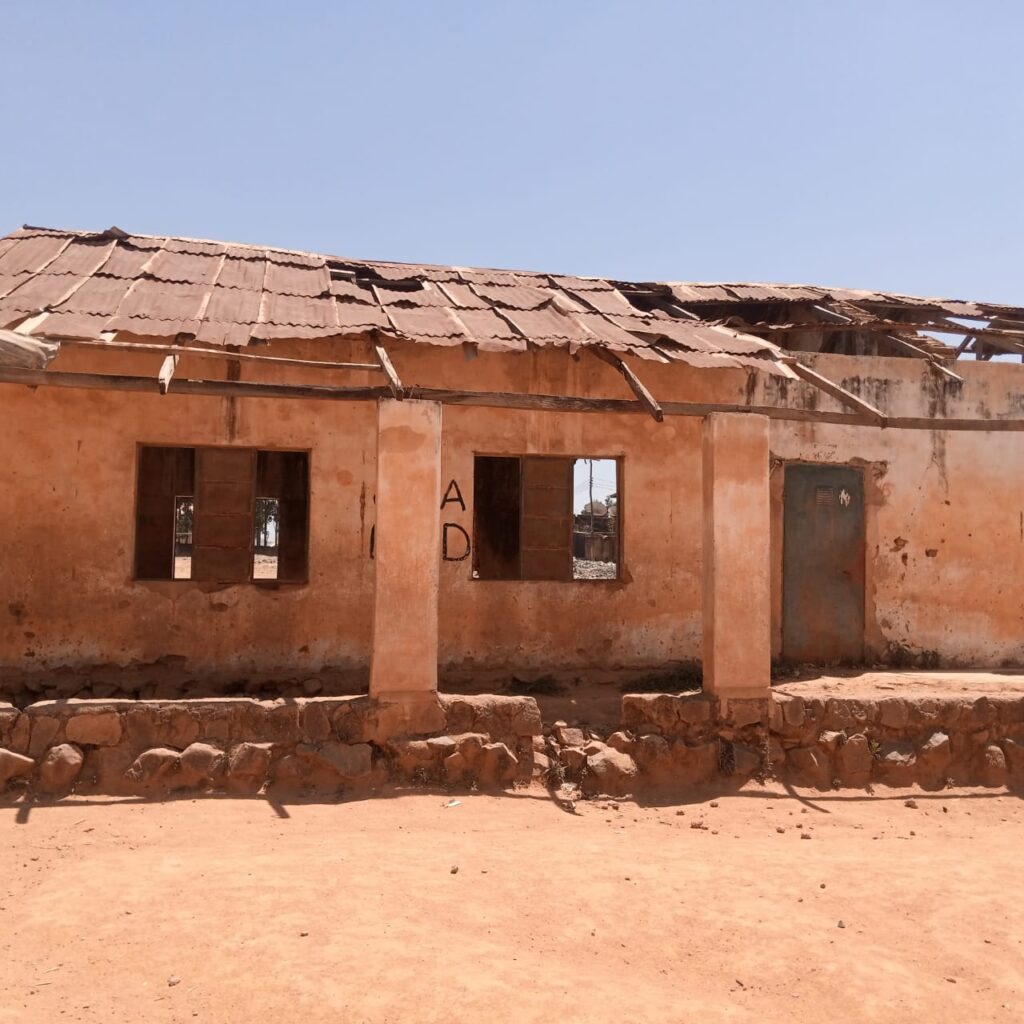
What should be centres of learning are gradually turning into spaces marked by neglect and exposure to troubling social vices. Government schools, created to provide affordable and quality education for every child, are slowly losing their essence.
A disturbing reality in learning spaces
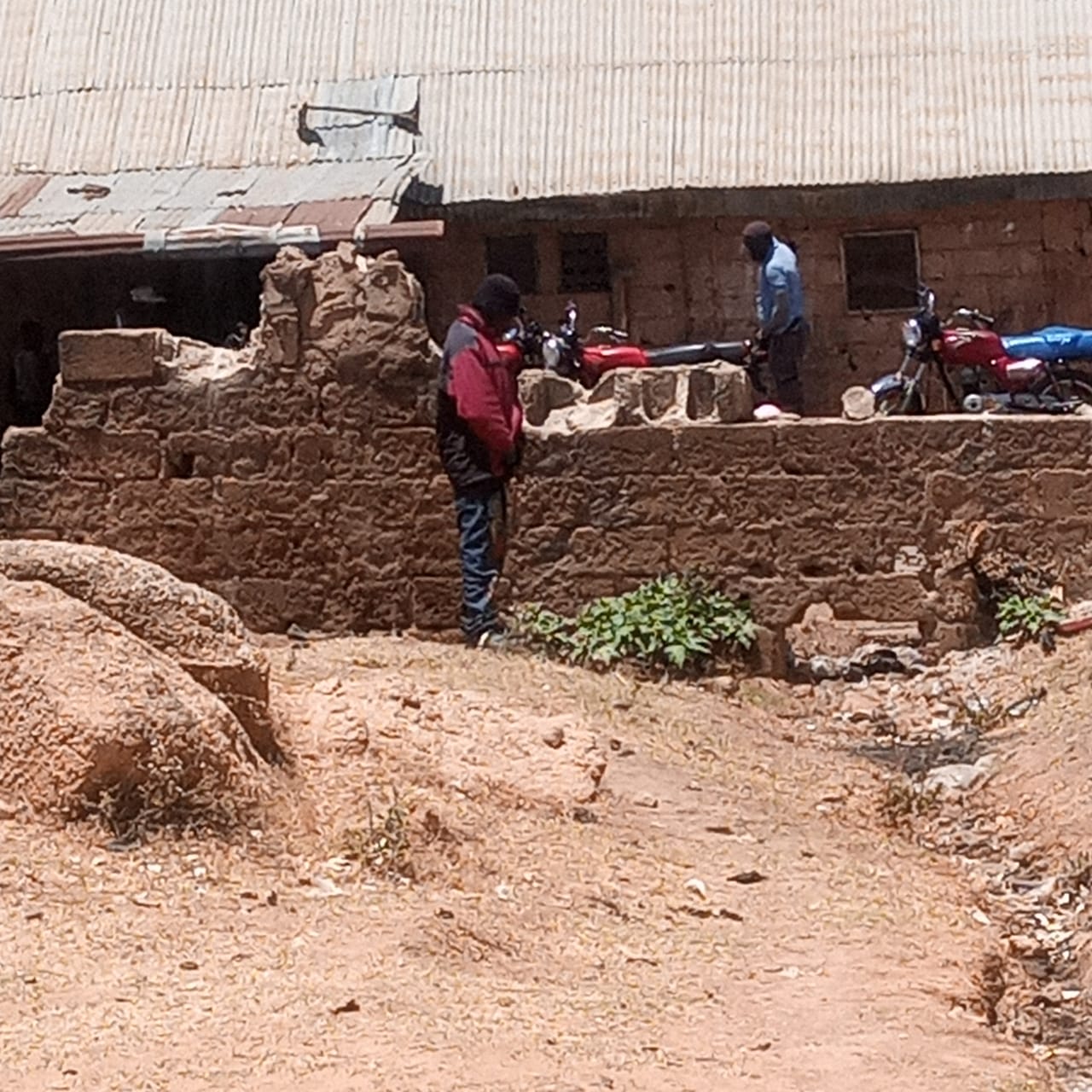
Across several communities in Jos, a disturbing pattern is unfolding. Once the school day ends and the premises are left unguarded, hoodlums take over and use them as hideouts.
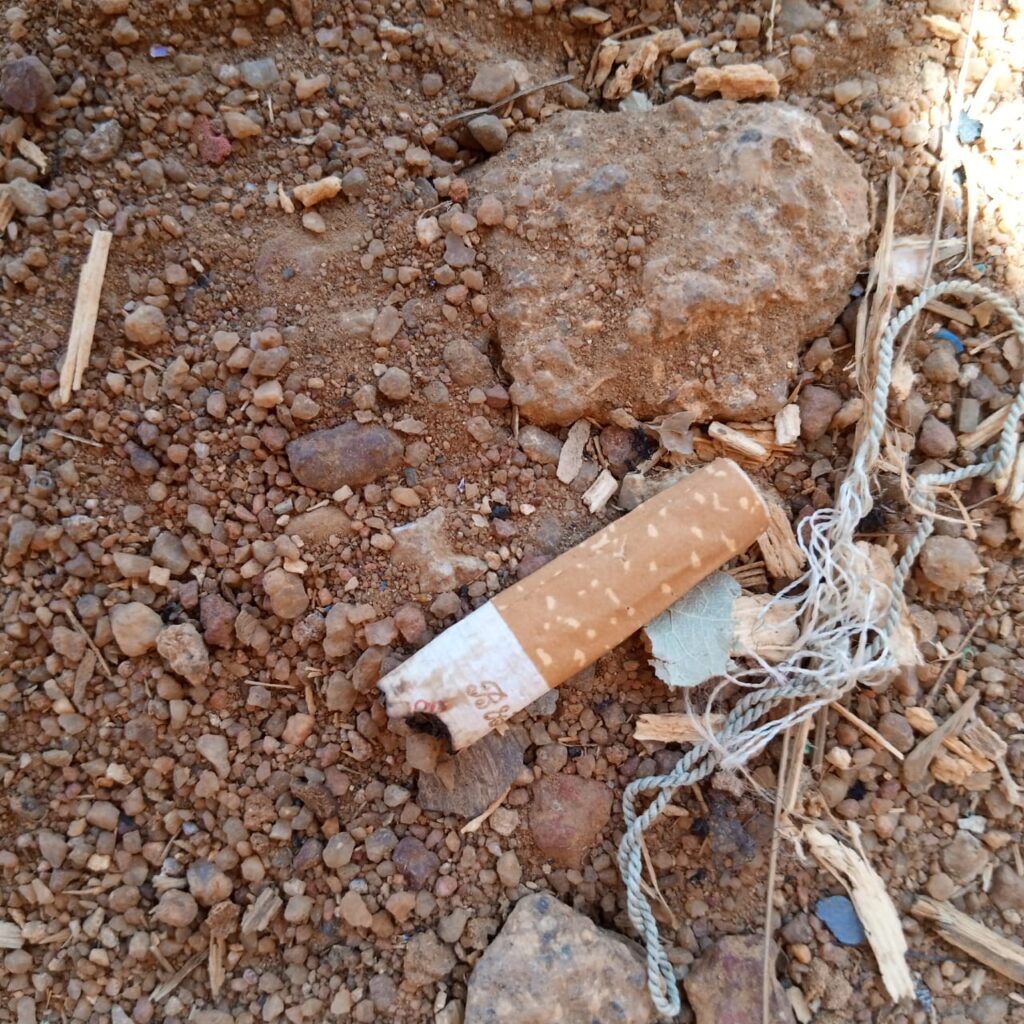
By morning, classrooms meant for learning tell a different story: cigarette butts litter the floors, wraps of marijuana lie scattered, empty bottles of local gin are found and sometimes even used condoms are discovered.
These are the sights that greet teachers and pupils at the start of a new day.At Government Primary School, Kwanga, in Jos East LGA, the Headmistress, Mrs Esther Nyam, faces this reality daily.
For her and her staff, the day often begins not with teaching, but with cleaning up the aftermath of activities that should never occur in a school.
“Every morning, the pupils and teachers are welcomed with packs of finished and unfinished cigarettes and wraps of weeds in the classrooms. At times, there are even bottles of finished or unfinished gins, goskolo, and the like,” she said.What is even more troubling is the effect on the children. Out of curiosity, some pupils pick up or play with these items, unaware of the danger.
“The students sometimes pick up these items secretly and hide them, wanting to use them or give them a try. The teachers have to always be on their toes to sweep and remove all those things before pupils resume. We don’t even have a single cleaner in the school,” she added.
Children at risk of negative influences
At St Michael’s RCM Primary School in Nassarawa Gwong, Jos North LGA, a teacher who chose to remain anonymous shared similar experiences with even deeper concern.
“Imagine seeing a child carrying used condoms and playing with them, or picking up leftover wraps of weed, cigarettes, or goskolo. We see a lot of things here. These children are no longer safe. We try our best to teach them values, but society is bringing it right down to them,” she lamented.
She also described the extent of abuse of the school environment.“People use the classrooms as toilets. They enter the classes and defecate on the floor, on desks, and at times even use the pupils’ books,” she lamented.
These incidents are no longer isolated. They are becoming a pattern that reflects a growing level of neglect.At UNA Government Primary School in Nassarawa Gwong, Jos North LGA, attempts to secure the premises through the Nigeria Cadet Network have been met with violence.
Ayo AbdulBasit, OC Medical of the Network in Plateau State, disclosed that officers assigned to protect the school have been repeatedly attacked.
“Most of my officers have been assaulted by those who use the school premises as a hideout to smoke. Some were beaten, some escaped with injuries to the head and face, and others were threatened,” he said.
A system failing its children
The reality is clear: many of these schools lack protection. There are no fences, no gates and, in most cases, no security personnel. Where fences once stood, they have been destroyed, leaving the premises wide open and vulnerable.
The damage goes beyond broken structures and scattered waste. What is truly at risk is the mindset and development of the children. When young pupils are constantly exposed to these conditions, it begins to shape what they see as normal.
The line between right and wrong grows less clear. This is not because they were not taught but because their environment tells a different story.
Teachers continue to do their best, showing up each day to guide and protect these children. Yet, their efforts are weakened by a system that has failed to secure the very spaces meant for learning.
Mrs Nyam did not hide her fears about what this could mean for the future: “It is bad enough that the children are seeing these things in society. Bringing them into the school will only worsen the situation. We may end up breeding future kidnappers, drug addicts, armed robbers, and rapists,” she warned.
If nothing changes, the consequences may stretch far ahead. A generation raised in such environments may grow up seeing disorder and crime as part of everyday life.
The solution, though urgent, is not out of reach. The government must take deliberate steps to secure public schools across the state by erecting proper fencing and deploying trained security personnel to protect these premises day and night.
Beyond government action, communities must also take responsibility for safeguarding these schools. They are shared spaces, and their protection should be a collective effort.
At the centre of it all are children—young, vulnerable and full of promise. If the place meant to nurture them is no longer safe, then one question remains: what kind of future are we preparing them?