


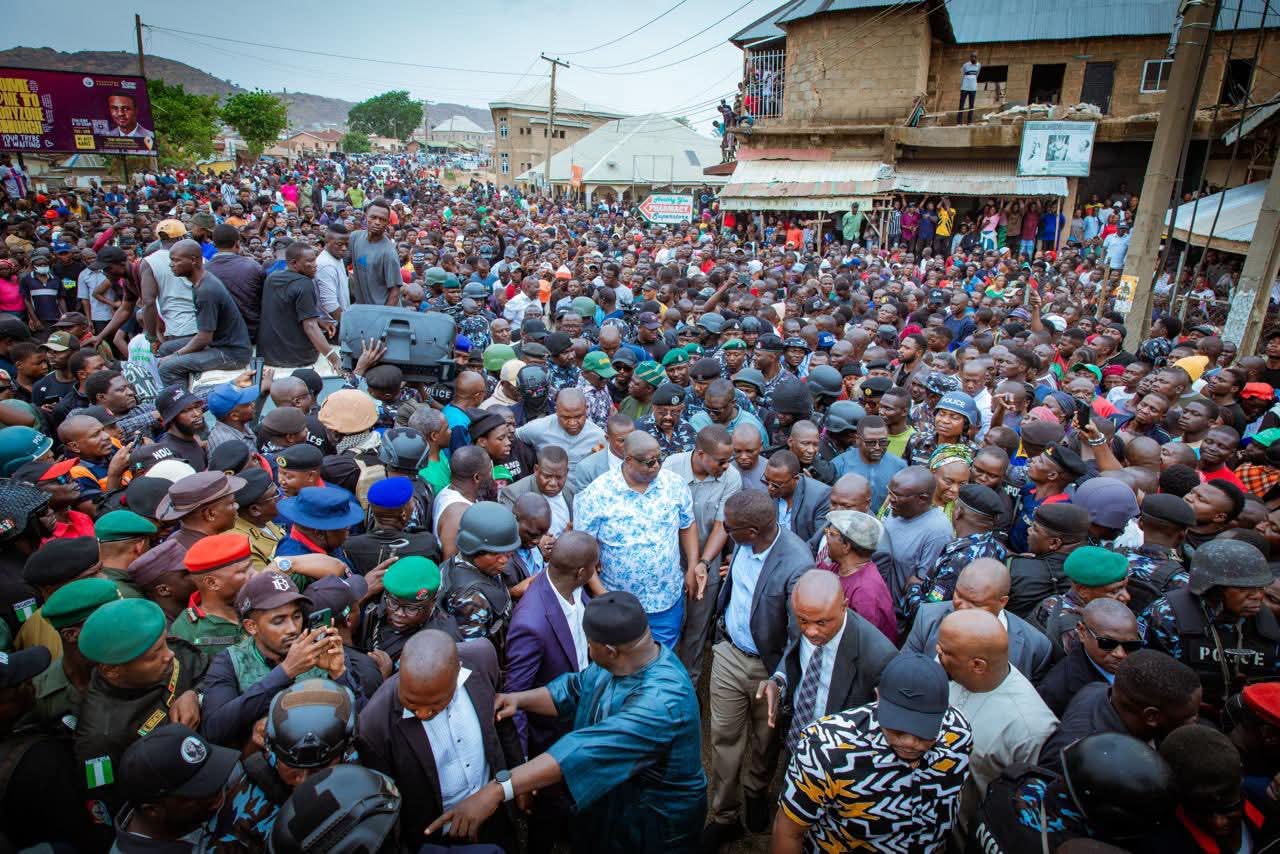

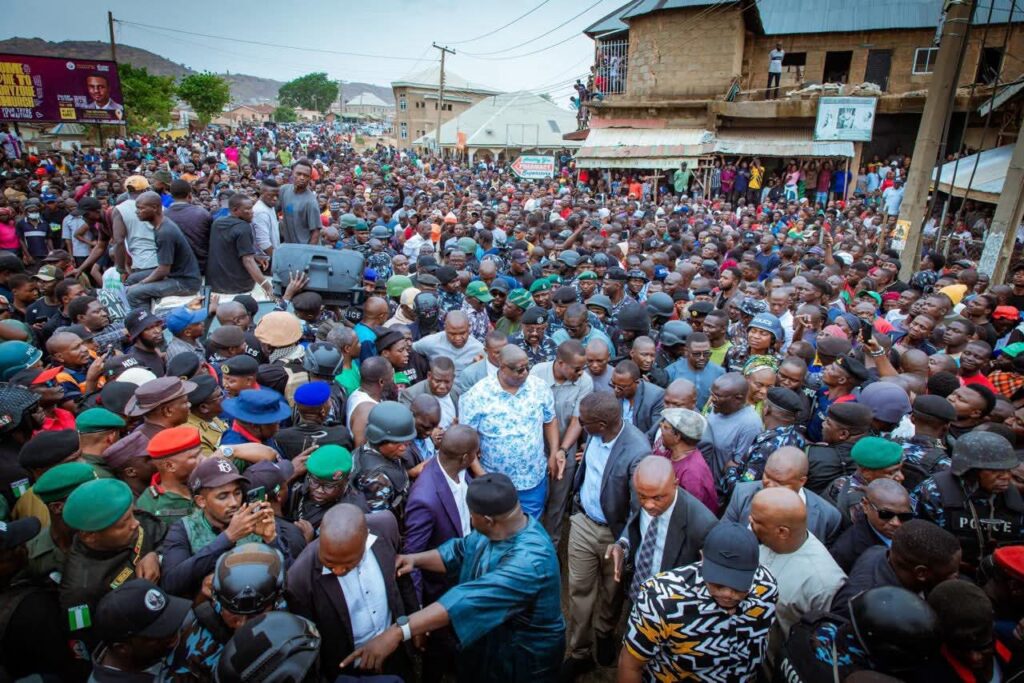
In this analysis, NENFORT GONCHEN delves into the cycle of violence in Plateau State, highlighting the immense burden shouldered by Governor Mutfwang. Through vivid narration and critical insight, he captures not only the human cost of insecurity but also the structural and leadership challenges that perpetuate the crisis.
This article presents a thorough examination of the state’s current predicament, the limitations of governance and the urgent need for decisive action to restore peace and public trust.
Plateau State is bleeding again. Another round of killings. Another set of grieving families. Another cycle of outrage, condemnation, and promises.
Yet, beneath the familiar rhythm of tragedy lies an uncomfortable truth: leadership in Plateau today is less about governance and more about survival—survival of lives, trust and of the very idea of the state itself.
At the center of this storm stands Governor Caleb Manasseh Mutfwang, a man burdened not just by the weight of his office, but by the expectations of a people who have seen too much blood and heard too many empty assurances in the past.
Trapped in violence
For over two decades, Plateau has been a theatre of recurring violence, ranging from ethno-religious clashes to farmer-herder conflicts and organised attacks that defy simple explanations.
Communities live in fear, villages are deserted overnight, and farmers abandon their lands. With every attack, the fragile thread holding the fabric of society together frays even further.
The question is no longer why these attacks happen; the real question is why they keep happening without decisive, lasting solutions.Here lies the paradox of Mutfwang’s leadership.
As governor, he is the chief security officer of the state in title but not in command. Nigeria’s security architecture places the police and military firmly under federal control. This means that when attacks occur, the man the people hold responsible does not fully control the forces needed to stop them.
It is a cruel contradiction: he must answer to the people but must depend on others to act. In moments of crisis, delays in coordination can mean the difference between life and death.Plateau’s history is littered with unresolved grievances and unpunished crimes.
Impunity has become oxygen for violence. Each unaddressed atrocity plants the seeds for the next. Communities live in daily tension, wondering when the next attack will come. Leadership here is not a ceremonial title; it is the constant burden of ensuring survival against threats that seem unending.
Leadership under fire
Every attack tests competence, compassion and credibility. When people are killed, they do not ask about constitutional limitations; they ask where the government was, why they were not protected and whether this will ever end. For Governor Mutfwang, these questions are relentless.
In the court of public opinion, explanations often sound like excuses. Respond too softly, and perpetrators are emboldened; respond too forcefully, and tensions may escalate further.
Arresting perpetrators, prosecuting offenders and ensuring visible, undeniable justice are essential to breaking the cycle. Anything less is a continuation of the status quo.It would be convenient to place the entire burden on the governor.
The truth, however, is more uncomfortable. Where are the federal authorities, equipped with superior intelligence and military capacity? Where are community leaders who should be calming tensions instead of inflaming them? Where are political actors who exploit divisions for gain? Plateau’s crisis is not just a failure of one office—it is a collapse of collective responsibility.
Condolence visits have become routine. Statements of condemnation have become predictable.
But neither stops bullets nor prevents machetes from falling. What Plateau needs now is not sympathy but strategy: community-based intelligence systems, strengthened local security structures, clear land-use policies to address farmer-herder conflicts, and genuine reconciliation efforts across ethnic and religious lines.
Above all, it needs political will at both state and federal levels.
Beyond condolences: The urgency of action
For Governor Mutfwang, this is more than a governance challenge. It is a defining moment. History will not remember press statements. It will remember whether the killings stopped. It will remember whether Plateau found peace or sank deeper into chaos.
Leadership, at its core, is about responsibility in the face of adversity. But in Plateau, it has become something heavier: the burden of carrying a wounded people while trying to stop the bleeding at the same time.The people of Plateau are tired—tired of burying loved ones, tired of promises and tired of fear.
And so, the burden on their governor is clear and urgent: act decisively, demand accountability, restore trust, and end the cycle. Only through such decisive leadership can the next tragedy be prevented. Silence and inaction have consequences. If this moment is lost, Plateau may not just lose more lives; it may also lose hope.