



By CHRISTIANA LOT
A new approach to civic engagement is taking shape among young Nigerians online, moving beyond reactive hashtags towards more organised, results-driven advocacy.
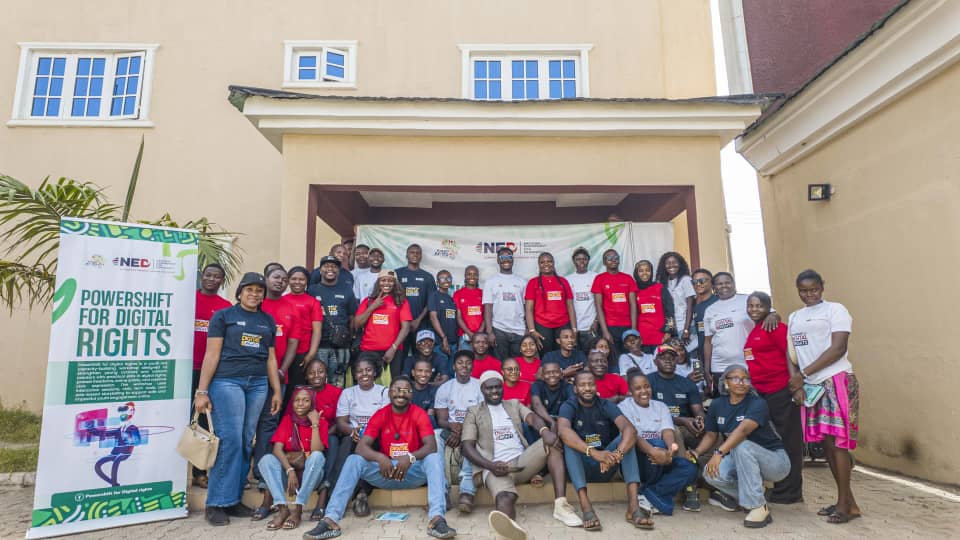
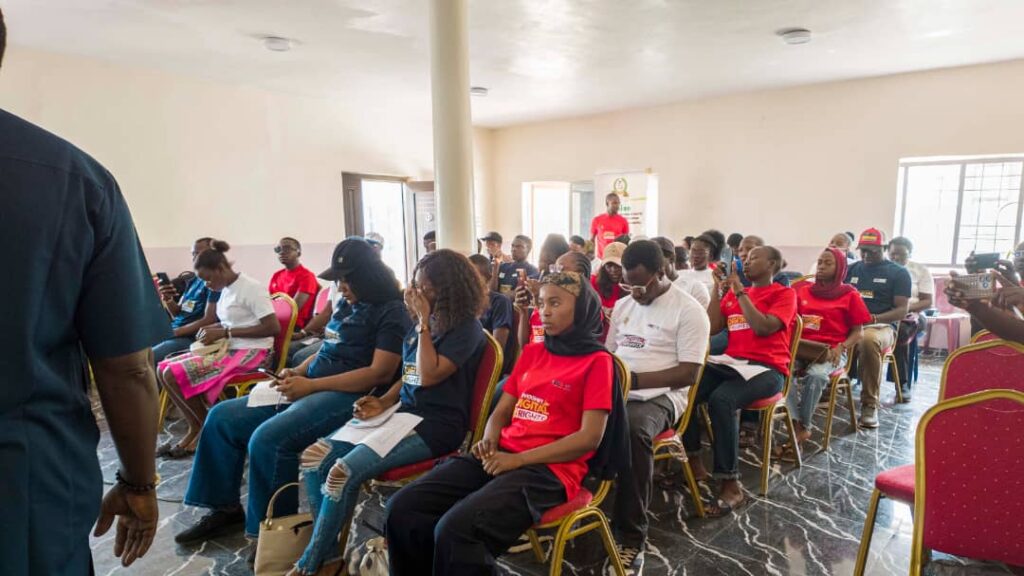
This shift became evident during the PowerShift for Digital Rights workshop in Plateau State, where journalists, activists and content creators gathered to learn practical ways to engage responsibly in digital spaces.
Supported by Yiaga Africa and the National Endowment for Democracy, the workshop covered storytelling, digital safety, gender inclusion, legal awareness, artificial intelligence and the broader concept of digital rights.
Across the sessions, facilitators stressed a common theme: online engagement is most effective when it is intentional, backed by evidence and tied to clear goals.
Storytelling as a tool for accountability
Setting the tone for discussions, Nicholas Oshoja encouraged participants to move beyond passive posting and embrace purposeful storytelling.He explained that advocacy often starts with identifying gaps in sectors like education, healthcare, and governance—issues that persist not because they are hidden, but because they have been normalised.
“You are the voice for those who may not be able to speak for themselves. Advocacy is not about insults; it is about presenting issues that demand change,” he said.
Oshoja also highlighted the importance of credibility.He urged participants to rely on verified information, combine facts with lived experiences, and document real situations rather than spreading unconfirmed claims.
Clear objectives, he added, are equally crucial.“When you tell a story, ask yourself what change you want. Are you asking for improved facilities, better policies, or inclusion? Advocacy must point to a solution.”
His message reflected a growing preference for advocacy that seeks measurable impact rather than mere expression.
Gender barriers in digital participation
Discussions also turned to who gets heard online.Grace Yunusa pointed to cultural expectations, financial limitations and harassment as key barriers restricting women’s participation in digital spaces.
“Digital inclusion is not just about access to a phone or the internet. It is also about safety, confidence, and the ability to participate without fear of harassment,” she said.
She noted that online abuse continues to silence many women, reducing their visibility in civic conversations and weakening their influence.
“When women are excluded from digital spaces, their perspectives are missing in decision making. Inclusion must be deliberate.”
Her remarks underscored concerns that digital advocacy could mirror existing inequalities unless conscious steps are taken to broaden participation.
Understanding the risks
Addressing the legal side of online engagement, Tobe Salawu warned that advocacy can quickly cross into defamation or unlawful communication if not handled carefully.
“Freedom of expression is guaranteed, but it comes with responsibility. The language we use online can determine whether advocacy remains constructive or becomes a legal issue,” he said.
He advised participants to keep discussions issue-based rather than personal and reminded them of the lasting nature of digital content.
“What you post today can be used tomorrow.”The session highlighted the need to balance active civic engagement with awareness of legal and ethical boundaries.
Digital rights, youth participation
Panshak Jeremiah Kasem, who served as facilitator and project team lead, linked the discussions to the broader framework of digital rights.
“Digital rights are human rights. When young people understand their rights online, they are better equipped to participate responsibly,” he said.
Kasem emphasised privacy, access to information, and freedom of expression as practical tools for engagement.He added that verifying information, protecting personal data, and maintaining ethical standards are essential for credible advocacy.
“Young people are active online, but the goal is to channel that activity into meaningful civic engagement.”
He described the workshop as part of ongoing efforts to strengthen youth participation in governance and address challenges such as misinformation, voter apathy, and limited civic involvement, particularly ahead of elections.
Leveraging AI for civic engagement
Bethsheba Nerus introduced participants to how artificial intelligence can support advocacy work.Her sessions focused on practical uses, including data analysis, content creation and campaign planning.
Participants explored how AI tools could enhance storytelling through infographics, social media content, and other visual formats.
These tools, she explained, can help simplify complex issues, organise campaigns and analyse feedback more efficiently.
However, she cautioned against overreliance, stressing the need to verify information, avoid sharing sensitive data and critically review AI-generated content to prevent bias or misinformation.
Used responsibly, AI was presented as a tool to amplify voices, not replace human judgment.
From online reactions to structured advocacy
By the end of the workshop, a clear message had emerged: while social media remains powerful, its impact is often limited when engagement is spontaneous and short-lived.
Participants were introduced to a more deliberate model of advocacy—one that blends storytelling, legal awareness, digital safety, inclusion and strategic use of technology.
The approach reflects lessons from past waves of digital mobilisation in Nigeria, where visibility was high but sustained outcomes were less consistent
.Whether this evolving model will continue beyond training spaces remains to be seen.Still, it signals a growing understanding of digital advocacy not just as amplifying issues, but as a structured process requiring planning, evidence and persistence.
For many attendees, the takeaway was straightforward: impact depends less on how widely a message spreads, and more on how clearly it is defined, how well it is supported and how consistently it is pursued.