




Insecurity has emerged as one of Nigeria’s most pressing challenges, affecting every region of the country. From insurgency in the North-East to banditry and kidnappings in the North-West, violent incursions into the Middle Belt and rising criminality in the South, the country grapples with an alarming wave of instability. While governments often respond with military operations and security budgets, the truth is that insecurity in Nigeria is not merely a law enforcement problem. It is deeply tied to economic conditions.
Unemployment: Root of many crises
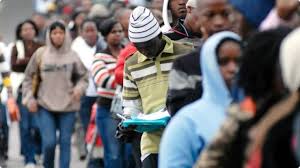
At the heart of many security issues lies unemployment. Nigeria’s youth unemployment rate, which hovers around 33% according to the National Bureau of Statistics, represents a ticking time bomb. Millions of energetic and capable young people wander the streets daily with little or no livelihood. Without legitimate avenues for income or personal development, frustration sets in and crime becomes an attractive escape route.
Every society plagued by poverty and joblessness tends to experience higher insecurity. Idle hands are often exploited by criminal gangs and extremist organizations, which offer quick rewards for acts of violence or rebellion. The rise of banditry, cultism and kidnapping-for-ransom is closely linked to economic despair. Rural communities where agriculture once provided sustainable income now face neglect, poor infrastructure and lack of access to credit, leaving young men jobless and vulnerable to recruitment by criminal elements.
Therefore, job creating does more than put money in people’s pockets. It fosters stability, purpose and social cohesion. Employment channels youthful energy into productive ventures, gives citizens a stake in peace and discourages participation in violent activities. A young person with stable income and hope for advancement is far less likely to be lured into crime.
When jobs are created, local economies flourish. Economic participation reduces inequality and promotes peaceful coexistence, especially in communities affected by ethnic or religious tensions. Moreover, economic empowerment strengthens faith in the state; when citizens see government policies translating into tangible opportunities, they are more likely to support democratic institutions rather than rebel against them.
Rethinking economic priorities
To leverage job creation as a tool for national security, Nigeria must rethink its economic priorities. Overdependence on oil revenues must give way to diversified, inclusive growth that provides work for millions.
Revitalising agriculture is essential. Beyond farming, investment in processing and value addition can create millions of jobs across the value chain—from production to packaging and distribution. Addressing the mismatch between academic education and market demand is crucial. Revamping technical and vocational training will equip young people with employable skills relevant to today’s economy.
Small and medium enterprises (SMEs) are the backbone of most economies. With better access to credit, infrastructure and tax incentives, they can grow and absorb more unemployed youth. The technology sector also offers enormous potential for employment. Expanding broadband access, supporting start-ups and promoting digital literacy can generate opportunities for millions of Nigerians. Large-scale infrastructure projects such as roads, housing and renewable energy can provide immediate jobs while laying the foundation for long-term growth.
While the government holds primary responsibility for creating an enabling environment, job creation should not be left to the state alone. Private sector actors, civil society and international partners all have roles to play. Public-private partnerships can expand industrial capacity and promote inclusive growth, while transparent, consistent policies will attract investment and restore confidence.
Security and economic stability are two sides of the same coin. No amount of military hardware or security spending can permanently quell insecurity if unemployment and poverty persist. A well-fed, meaningfully engaged citizen is the best security any nation can have. For Nigeria, tackling insecurity begins with addressing joblessness. Prioritising job creation through sound economic policies, education reforms and infrastructural development will not only strengthen the economy but also lay the foundation for a safer, more peaceful nation.