


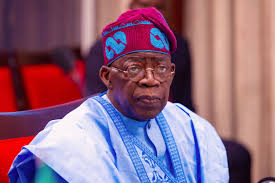


The appointment of General Christopher Gwabin Musa (rtd) as Nigeria’s Minister of Defence has generated widespread public interest and, understandably, heightened expectations. At a time when insecurity remains one of the country’s greatest challenges, the choice of a recently retired Chief of Defence Staff to head the Ministry signals a deliberate attempt by the Federal Government to inject experience, continuity, and renewed vigour into the defence establishment.
General Musa’s entry into the political leadership of the defence sector is happening against the backdrop of complex national security concerns. Across the country, Nigerians continue to contend with a range of violent threats, terrorism in the North-East, banditry and mass abductions in the North-West, Fulani jihadists in the Middle Belt, oil theft and piracy in the South-South, and separatist-related tensions in the South-East. Urban crime, cyber threats, and transnational criminal networks further complicate the overall security environment. It is this layered and evolving national landscape that frames public expectations of the new Defence Minister.
Before his retirement and subsequent transition into public office, General Musa commanded respect across the military establishment. His tenure as Chief of Defence Staff was marked by attempts to improve coordination among the services, strengthen joint operations, and build better relationships with communities affected by insurgency and conflict. He is widely regarded as a disciplined, accessible, and field-oriented officer, qualities that many Nigerians believe are crucial for steering the Ministry of Defence at such a defining moment in the country’s history.
However, the optimism surrounding his appointment is also tempered by caution. Nigerians are fully aware that structural problems within the defence sector cannot be solved by personal competence alone. The Ministry of Defence has for years struggled with bureaucratic bottlenecks, outdated procurement systems, inadequate modernization of equipment, strained civil–military relations, and an underdeveloped defence industrial base. General Musa’s challenge, therefore, is not only to bring his operational knowledge to the table but to translate that knowledge into meaningful reforms within a civilian led institution historically resistant to change.
One of the most immediate expectations is improved synergy among Nigeria’s security and defence agencies. Gaps in intelligence sharing, duplication of mandates, and inter-agency rivalry have long undermined national security efforts. As Defence Minister, General Musa is expected to drive a more coordinated and unified framework for counterterrorism, counter-banditry operations, and internal security support. His ability to foster cooperation between the armed forces, intelligence services, police, and paramilitary agencies will be essential to delivering a more effective national security response.
Another area under public scrutiny is the need for accountability and professionalism in military operations. Over the years, allegations of delayed responses, excessive force, and violations of human rights have weakened trust between communities and the military. Many Nigerians will be watching closely to see whether General Musa can enforce higher standards of discipline, improve engagement with civilian populations, and ensure that the military remains a protector of citizens rather than a source of fear or intimidation. Restoring confidence will require clear communication, transparent investigations when incidents occur, and a renewed emphasis on ethical conduct.
There is also growing public demand for modernization of the armed forces. While Nigeria has one of the largest military establishments in West Africa, it continues to face shortages of modern equipment, surveillance technology, training platforms, and logistical infrastructure. Criminal networks, on the other hand, are increasingly equipped with sophisticated weapons and rely on technology to plan and execute attacks. General Musa is expected to champion reforms in military procurement, encourage domestic production of defence equipment, and push for better investment in surveillance, intelligence, and cyber capabilities. Nigerians are eager to see results; modern equipment on the frontlines, improved mobility, and a better supported fighting force.
Troop welfare is another critical issue that the Defence Minister must address. Reports of inadequate accommodation, delayed allowances, and difficult operating conditions have contributed to morale challenges within the armed forces. As someone who has served at the highest operational levels, General Musa is familiar with these concerns. The public expects him to prioritize the welfare of troops, improve living conditions in barracks, ensure timely provision of equipment, and broaden support systems for soldiers dealing with physical and psychological stress.
His transition from military to political leadership also brings with it another set of expectations, one centered on policymaking and long term national strategy. As Defence Minister, General Musa must balance the operational instincts of a soldier with the broader demands of civilian oversight, diplomacy, and strategic planning. He will need to work closely with the National Assembly, state governments, and international partners to strengthen Nigeria’s defence policy framework, improve border security, and enhance cooperation with regional bodies such as ECOWAS and the African Union.
Ultimately, the weight of public expectations reflects the urgency of Nigeria’s security challenges. Nigerians want peace, peace in their communities, peace on their roads, peace in their farms, and peace in their daily lives. They want a defence establishment that responds swiftly, operates professionally, and protects every citizen without fear or favour. General Musa’s appointment is seen as an opportunity to chart a fresh course. one that strengthens national institutions, restores confidence in the security forces, and lays the foundation for sustainable peace and stability.
As he settles into office, the Defence Minister faces a long and demanding task. His success will depend on a combination of experience, political will, institutional cooperation, and sustained public trust. For now, the nation watches attentively, hopeful that this new chapter will lead to a safer and more secure Nigeria.