



RANDOM MUSINGS
There comes a time in the life of every society when silence becomes complicity. Plateau State has reached that moment. Drug abuse, alcoholism and other substance-related dependencies have grown beyond private struggles into a full-blown social crisis. What was once hidden behind closed doors has spilt into the streets, schools, markets, motor parks and places of worship.
Today, the signs are everywhere: restless youths loitering without purpose, broken families struggling with shame, rising crime rates and a growing population of young people whose dreams have been cut short by addiction. This is no longer a marginal issue. It is an emergency.
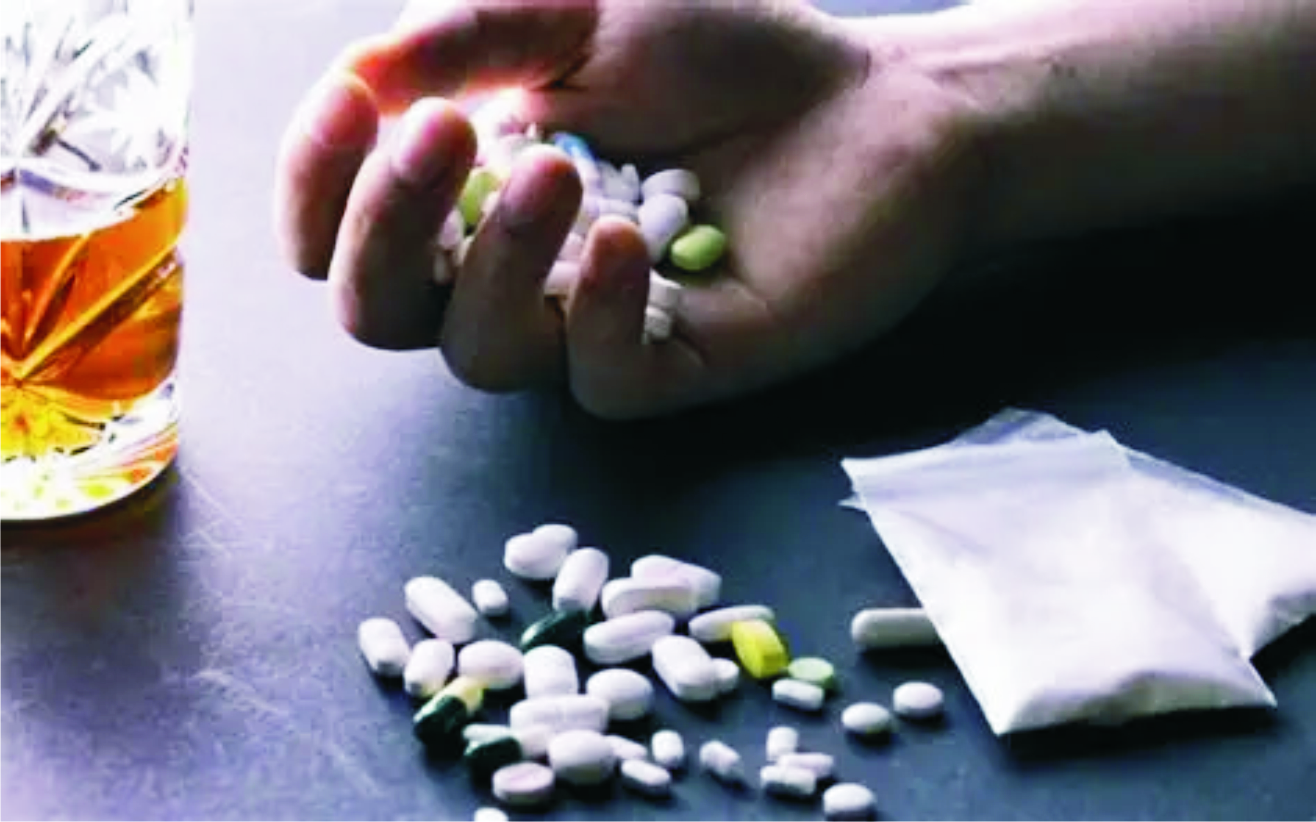
From Jos to Pankshin, Bokkos to Shendam, Barakin Ladi to Langtang, the spread of drug abuse has assumed an alarming dimension. Tramadol, codeine-based cough syrups, cannabis, hard stimulants and excessive alcohol consumption have become disturbingly common.
Even more troubling is the age bracket of those involved. Teenagers and young adults, who should be building the foundations of their future, are instead destroying their bodies, minds and destinies in the name of temporary pleasure and false escape. We must confront an uncomfortable truth: Plateau State is losing a generation.
A silent destruction of human potential
The tragedy of addiction lies not only in its physical effects but in its silent destruction of human potential. Behind every drug addict is a story of lost opportunity, an abandoned education, a destroyed career, a broken marriage, a disappointed family and a community robbed of a productive citizen. Addiction drains the economy, fuels insecurity, worsens poverty and multiplies social vices. It breeds violence, recklessness, mental illness and hopelessness. A society that ignores this reality signs its own death warrant.
Yet, while the problem grows, our response remains largely reactive and insufficient. We arrest addicts, shame them, stigmatise them and abandon them, but we rarely rehabilitate them. We condemn them in sermons, gossip about them in markets and isolate them in families, but we hardly restore them. This approach has failed and will continue to fail.
Drug abuse and alcoholism are not just criminal issues; they are deeply human issues. They are symptoms of deeper societal failures: poverty, unemployment, poor education, broken homes, trauma, insecurity, peer pressure and lack of purpose. Unfortunately, many young people did not choose addiction because they wanted to destroy their lives; they chose it because they were trying to survive pain, frustration and hopelessness in the only way they knew how.
This is why advocacy must replace apathy, and compassion must replace condemnation.
Rebuilding families, faith, community responsibility
Weaning Plateau State from drug abuse and alcoholism demands a deliberate, coordinated and courageous response. Families must rise first. Parents and guardians can no longer afford emotional distance and denial. Too many homes are silent while their children suffer.
Too many parents are more concerned about social image than social responsibility. Dialogue, monitoring, guidance, discipline and love must return to the family structure. A home that provides support, understanding and moral direction reduces the chances of addiction taking root.
Religious institutions must go beyond preaching and begin healing. Churches and mosques must not only warn against drug abuse but also create rehabilitation pathways. Counselling units, support groups, recovery programmes and reintegration systems should become part of faith-based missions. Redemption must be as loud as condemnation. The addict must not only hear that drugs are wrong; he must also see that recovery is possible.
Traditional rulers and community leaders must equally reclaim their moral authority. Community vigilance groups, youth mentorship programmes and communal advocacy campaigns should be revived. Our communities must once again become safe spaces for moral formation and social correction.
Government action, youth empowerment, collective duty
Government responsibility in this fight is unavoidable. Plateau State cannot claim development while its youth population is collapsing under addiction. Rehabilitation centres must be established, equipped and properly funded. Mental health services must be strengthened.
Counselling must also be accessible. Recovery must be affordable. Law enforcement alone will not solve the problem. Arresting addicts without rehabilitating them only recycles the crisis.
Furthermore, youth empowerment must move from rhetoric to reality. Skills acquisition centres, entrepreneurship funding, vocational training, sports development, creative industry support and job creation schemes are not luxuries. These are proactive preventive tools against drug abuse. An idle youth is not just a danger to society; he is a victim waiting to happen. When young people find meaning, dignity and opportunity in productive engagement, the temptation of drugs and alcohol loses its power.
Our schools must also wake up to this responsibility. Drug education must be compulsory and practical. Guidance counsellors must be trained, supported and empowered. Early intervention saves lives. Prevention is always cheaper than rehabilitation.
The media must equally shoulder its burden. These platforms must continue to speak truth to power, shape public consciousness and challenge the glamorisation of drugs and alcohol. Addiction should not be romanticised on social media or normalised in entertainment culture. Recovery stories must be amplified as loudly as crime reports.
At the heart of this advocacy lies one powerful truth: every addict is recoverable, and every life is redeemable. Society must stop throwing people away. Recovery is possible. Change is achievable. Transformation is real. But it requires support, structure, patience and love.
Plateau State must choose between indifference and intervention, between silence and action, between decay and renewal. The cost of doing nothing is too high. The future we risk losing is too precious.
We must act now, not tomorrow, not next year, not after another tragedy. We must act now because every day of delay means another life lost, another family broken, another future destroyed.
Weaning Plateau State from drug abuse and alcoholism is not just a policy goal; it is a moral duty, a social obligation and a collective responsibility. Our humanity demands it. Our future depends on it. Our conscience requires it.