



By Marie-Therese Nanlong, Jos
In many communities across Plateau State, the birth of a child with a disability can still trigger whispers, blame and, in some cases, outright rejection. When that child is a girl, the burden often doubles — for her and for her mother.
For years, children with disabilities, especially girls, were kept indoors, hidden from visitors and excluded from social life. Some families regarded them as a source of shame.
While attitudes are gradually shifting, stigma, poverty and neglect continue to shape the lives of many girls living with disabilities.
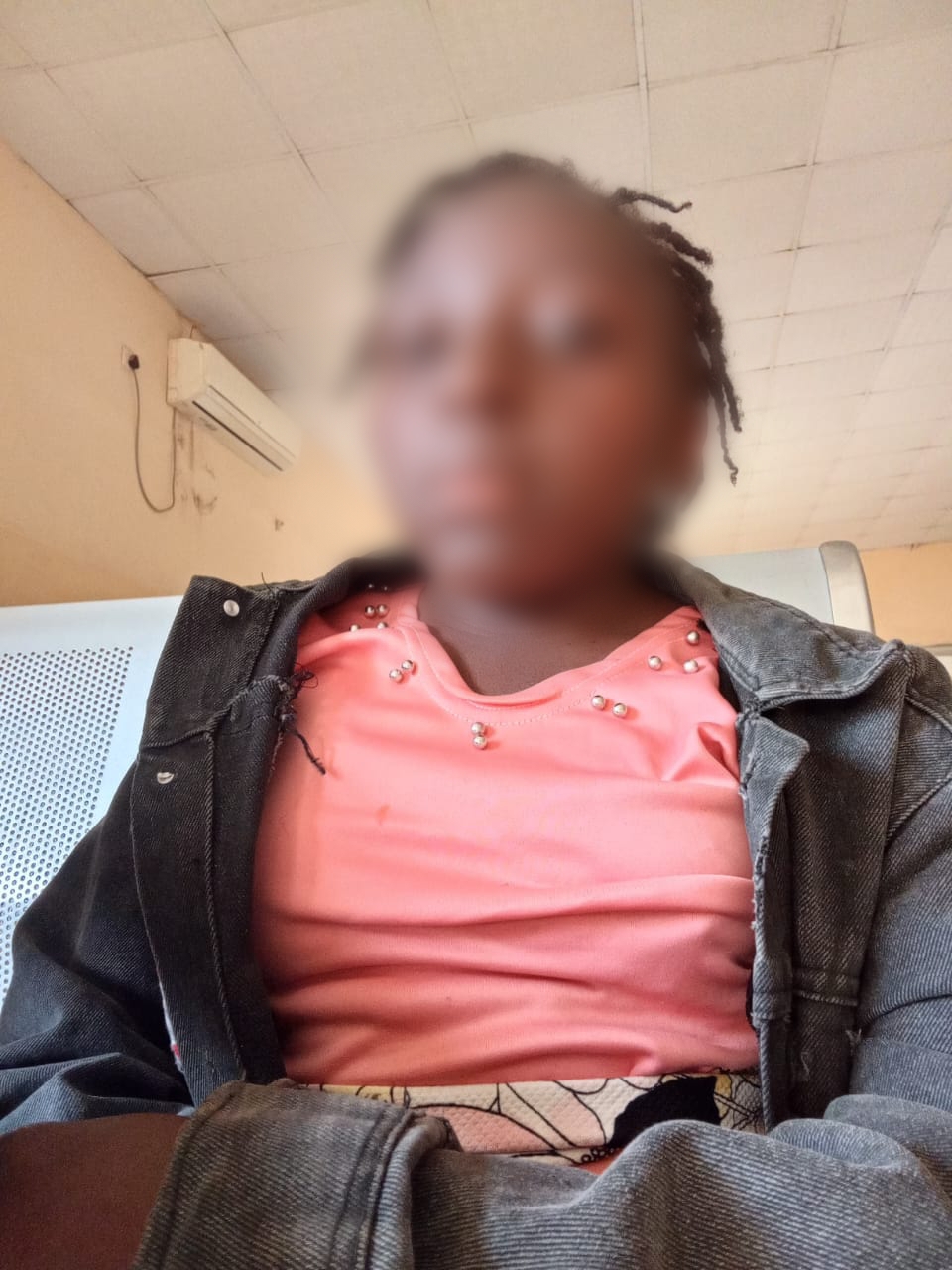
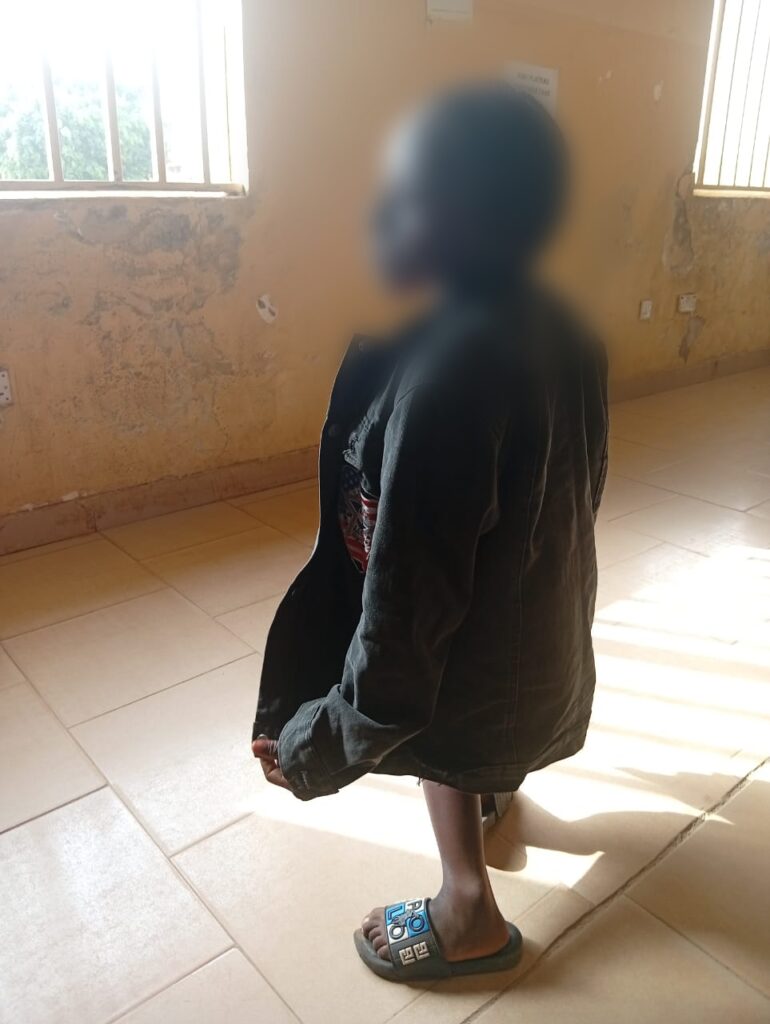
Seventeen-year-old Mary Yakubu, a Senior Secondary School Three student at Government Secondary School (GSS), Federe, in Jos East Local Government Area, understands this struggle all too well.
Born with a physical disability that makes walking long distances painful, Mary says her greatest challenge is not her aching legs alone, but the financial strain on her widowed mother.
“I love school and I want to learn,” she says quietly. “But when there is a fee drive and my name is called, I feel embarrassed. Sometimes I am sent home because my mother has not paid. Even my WAEC fee was difficult to raise.”
Mary’s father is late, and her mother survives on small-scale farming and occasional menial jobs. The family’s income barely covers food, let alone medical care, assistive devices or school fees.
Though she dreams of studying Law at the university, Mary could not register for JAMB due to lack of funds.Beyond education, she faces another harsh reality many girls with disabilities rarely speak about — vulnerability.
“Girls like us need to be careful,” she says. “Some people may want to take advantage.”
An inclusive education teacher, Philomena Umaru, confirms that girls with disabilities face a higher risk of sexual exploitation and abuse, often because “perpetrators assume they are less likely to be believed.”
The Weight Mothers Carry
For many mothers, raising a child with a disability is both an emotional and economic marathon.In Faya community, Langtang South Local Government Area, Glory Useni once believed her daughter Manko’s disability was a spiritual punishment.
Influenced by community pressure and harmful beliefs, she initially withdrew from the child, overwhelmed by shame and confusion.
It took months of counselling and support from community advocates — including a pastor in her local church — before she began to see her daughter not as a curse, but as a child deserving love and opportunity.
“I didn’t understand,” she later admitted. “People said different things, and I was afraid.”Such reactions are not uncommon. In several documented cases, fathers have walked away, leaving mothers to shoulder full responsibility.
According to Dr. Plangsat Dayil, Deputy Dean, Faculty of Social Sciences, and former Director of the Centre for Gender and Women Studies at the University of Jos, abandonment remains one of the silent crises affecting families of children with disabilities.
Aaron Shindol, Plateau State Chairman of the Joint National Association of Persons with Disabilities (JONAPWD), recounts meeting a grandmother struggling to raise three grandchildren with visual impairment after both parents abandoned them.
“I met the family last year in Vom, Jos South LGA. The father ran away. The mother also left them. The grandmother was doing everything she could. These are the realities we see,” he said.
He also narrated another case involving a mother with two children with hearing impairment in Mangu, whose husband had abandoned the family, leaving her with limited means and overwhelming care responsibilities.
“About three or four years ago, we also encountered a family in Jos who hid their child and did not even want the community to know they had a child with a disability,” Shindol added.
For mothers like Ukambong Ezra, the strain goes beyond finances, particularly in the absence of structured government support.“We navigate medical appointments, therapy, stigma and emotional labour daily,” she said.
Between Progress and Persistent Prejudice
There are, however, stories that reflect a more hopeful shift. Bulus Shanding, who grew up in the 1970s after contracting polio as a child, recalls being surrounded by love.Although his parents initially struggled to understand his condition, they never hid him.
“My family never felt ashamed of me,” he said. “My brothers would carry me to church. My mother gave me chores I could do. They made me feel like I belonged.”
A turning point came when his father met a visiting blind professor, Bitrus Gani, an encounter that encouraged the family to prioritise his education.
Today, advocacy and awareness campaigns are slowly challenging myths that link disability to witchcraft or curses. More parents — particularly those with financial means — are enrolling their children in special or inclusive schools.
Yet access remains uneven.In rural areas, special schools are scarce. Transportation is costly. Assistive devices such as wheelchairs, hearing aids and learning materials are expensive.
Many families simply cannot cope.Girls, in particular, are often denied education under the assumption that marriage prospects are slim and investing in their schooling is “wasted.”
The Intersection of Gender and Disability
Dr. Dayil notes that gender discrimination and disability intersect to deepen exclusion.While boys with disabilities may face mobility or employment challenges, girls encounter additional layers of vulnerability.
“I recently interacted with persons with disabilities, and the women in the group lamented their plight,” she said. “The chances of women with disabilities getting into relationships or marriage are very slim — about 20 per cent for women compared to 80 per cent for men. This imbalance also reflects in governance and leadership opportunities.”
Economic hardship further compounds the problem. Where resources are scarce, families often prioritise educating sons over daughters, especially daughters perceived as “less capable.”
For many mothers, advocacy becomes a daily act of resistance — challenging relatives, insisting on their daughters’ right to education and doing what they can to protect them from exploitation.
In urban centres, some mothers have formed informal support networks through religious and social groups, sharing information on available services and offering emotional solidarity.
However, these networks remain fragile without institutional backing.
A Call for Inclusive Support
Mrs. Umaru stresses that meaningful change requires coordinated action.“This includes inclusive education policies, enforcement of disability rights laws, community sensitisation and targeted social protection for vulnerable families,” she said.
According to her, financial assistance for school fees, healthcare subsidies and community-based rehabilitation programmes would significantly ease the burden on mothers.
Equally important is sustained public education to dismantle harmful myths surrounding disability.For girls with disabilities navigating uneven terrain — and for mothers fighting silent battles against poverty, prejudice and exhaustion — their stories remain largely untold.
As awareness grows, so too does society’s responsibility to ensure that disability does not translate into invisibility — especially not for girls whose futures depend on inclusion.