



From JOHN FWAH, Kaduna
Christian leaders across Northern Nigeria have officially dropped the ‘Northern CAN’ label and revived their original 1964 name, the Northern Christian Association (NCA).
The decision was reached after wide consultations among stakeholders from the 19 northern states and the Federal Capital Territory.
For decades, the body had been popularly known as ‘Northern CAN’, a nomenclature that emerged after the formation of the Christian Association of Nigeria (CAN) in 1976.
Leaders clarified that the Northern organisation predated CAN, having been founded in 1964 to coordinate Christian affairs in the region before integrating into the national framework.
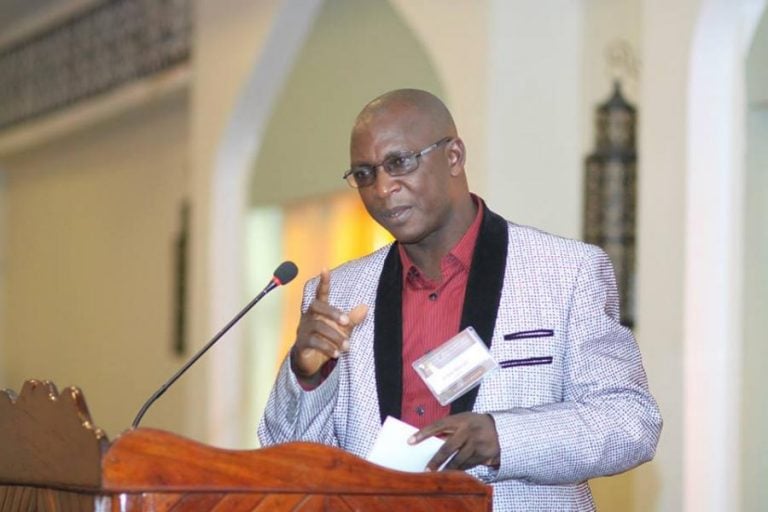
According to the Chairman of the Northern Christian body, Rev. Joseph John Hayab, the re-adoption of the NCA name was not a breakaway move but a restoration of historical identity.
He explained that the ‘Northern CAN’ tag often created confusion by making the regional body appear like a rival national authority.
“We are simply returning to who we were,” Hayab noted.
He maintained that the revived NCA remained fully aligned with CAN’s national leadership under Archbishop Daniel Okoh.
He said the newly re-registered NCA is positioned to strengthen coordination, advocacy and representation of Christians across the North while operating under the national Christian umbrella.
Stakeholders involved in the restructuring revealed that dropping the word ‘Nigeria’ from the regional title was intentional.
They explained that the aim was to avoid conflation with the national Christian Association of Nigeria and underscored the body’s regional scope.
Our correspondent reports that the move comes at a critical time as Northern Christian communities continued to face security challenges, including kidnappings, communal violence and interfaith tensions.
Observers interpret the revival of the NCA as an effort to reinforce unity and sharpen collective advocacy.
By restoring a name first adopted more than six decades ago, Northern Christian leaders said they were reaffirming continuity, identity and purpose.
They expressed hope of projecting a clearer regional voice while maintaining their place within Nigeria’s unified Christian structure.