



By Christiana Lot
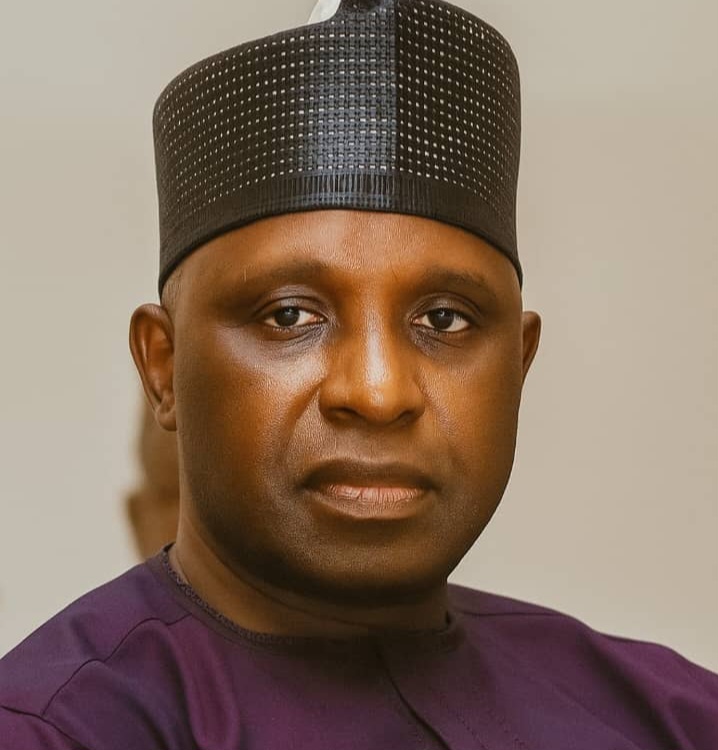
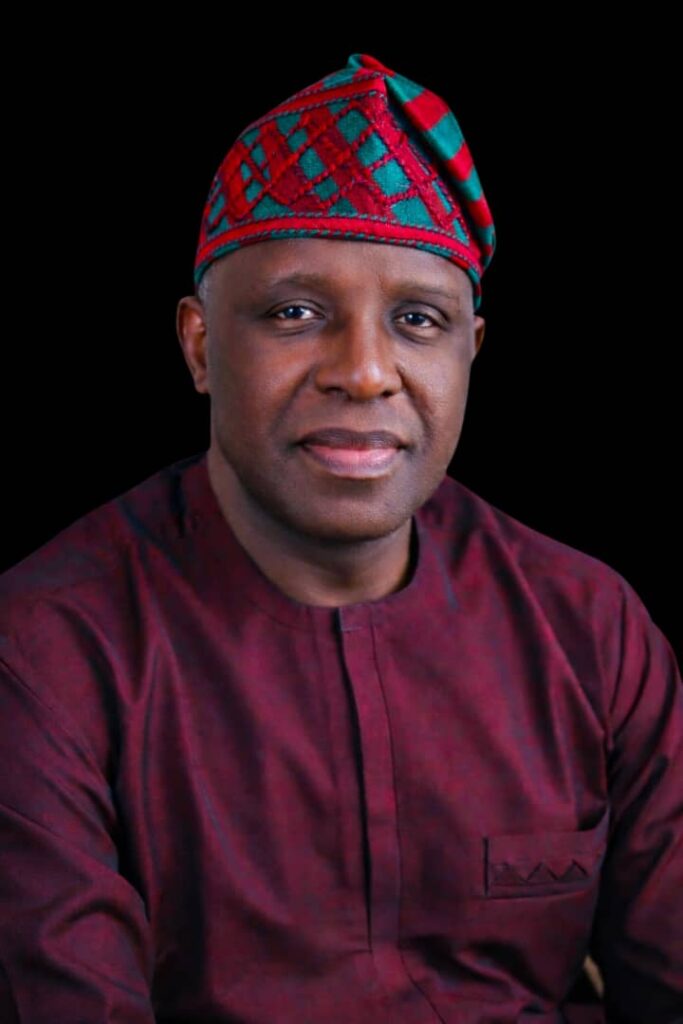
Former Senator representing Plateau North, I.D. Gyang has advocated constitutional reforms to allow the establishment of state police, arguing that Nigeria’s current centralised security structure has limited the ability of states to tackle insecurity effectively.
Speaking during a media chat with journalists at his Rayfield residence in Jos, the former lawmaker said the growing security challenges across the country require a restructuring of the nation’s security architecture to enable states play more active roles in protecting their communities.
Gyang noted that insecurity in Plateau North, which includes communities in Barkin Ladi, Riyom, and other areas, has continued to affect livelihoods and peaceful coexistence among residents.
“We have in the past noted that the issue of security requires some critical constitutional alteration, particularly one that will empower states to be much more actively involved in managing security in their respective states,” he said.
“Under the current constitutional arrangement, the federal government has that responsibility because all the armed forces and the police — the entire security apparatus and infrastructure — are largely under the command and control of the President. To that extent, the states do not have the leverage to intervene effectively in localities.
“Just as all politics is local, security issues are best tackled at the local level. If you wait for command and control to emanate from the Inspector-General of Police or the Chief of Defence Staff before addressing issues here, a lot of damage would have been done, which is what we have been seeing.”
He noted that the long-standing calls for constitutional amendment to devolve certain powers from the federal government to the states, including the establishment of state police, have gained wider acceptance among Nigerians.
The former senator also referenced recent remarks by President Bola Tinubu urging the National Assembly to accelerate constitutional amendments that would allow greater devolution of powers to states.
Beyond structural reforms, Gyang stressed the need for stronger community engagement, improved intelligence gathering and effective justice administration to address security challenges.
“Plateau North has diversity, but diversity itself is not a liability. It is the inability to manage diversity that becomes a liability. Engaging peace-loving citizens and isolating criminals, terrorists and those who have turned bloodletting into an economy is something we must pursue,” he said.
He added that strengthening the justice system is essential to ensure that suspects arrested for violent crimes are properly prosecuted and prevented from returning to communities to continue criminal activities.