



By CHRISTIAN BISKA
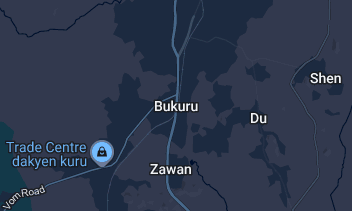
Barely 24 days into the US-Israeli versus Iranian conflict, the price of Premium Motor Spirit, popularly referred to as petrol in Nigeria, has spiked sharply, reaching an all-time high in Jos and Bukuru metropolises.
Today, this has created various degrees of hardship for commuters, business owners and the general public.
The conflict, which began on February 28, 2026, and resulted in the killing of several prominent Iranian officials, has negatively affected the global economy, particularly one of the most vital commodities that drives economic and business ventures across all sectors: oil.
The closure of the Strait of Hormuz, widely regarded as a “gateway” for oil vessels transporting 20% of the crude and refined petroleum products from Gulf nations to continents and countries worldwide, has further worsened conditions for economic activities everywhere.
Commuters, however, are the most immediate victims of this unfortunate situation.
Rising transport costs, hardship
The plight of commuters in Jos and Bukuru is especially concerning, given that daily petrol consumption in these cities runs into hundreds of thousands, if not millions, of litres.
The price hike has sharply increased transportation costs, leaving commuters helpless, stressed and facing varying levels of hardship.
Many residents now trek long distances to reduce transport expenses before boarding taxis, buses, or commercial motorcycles—popularly known as Okada—to reach their destinations.The impact on business owners and other daily travellers has been equally severe.
Rising petrol prices have pushed the cost of goods and services upward, increasing inflation in the cities. Households that rely on daily purchases have been particularly affected, as have public and civil servants who travel significant distances each day.
In discussions with civil servants and commuters who own vehicles and motorcycles, many revealed that they had parked their personal means of transportation and now relied on public systems such as the Jos Metro Bus service, introduced by Governor Mutfwang to ease commuting difficulties after the removal of fuel subsidies.
Petrol’s multiplier effect on the economy
Petrol is a vital component in the lives of average families in Jos and Bukuru, given its critical role in driving economic and business activities.
Any increase in price has a multiplier effect on the economy, influencing livelihoods, daily spending and the cost of goods and services.
While commuters and civil servants appreciate Governor Mutfwang’s Metro Bus initiative, coverage does not extend to the entire city.
Many must find quick fixes or alternative transport to reach designated Metro Bus parks, often resulting in late arrivals to work and reduced productivity for civil servants living far from the parks.
This writer listened to Governor Seyi Makinde of Oyo State on Arise TV yesterday, March 23, 2026, as he announced a flat-rate monthly stipend of ₦10,000 for the first three months, starting this March, to all civil servants in the state.
This timely intervention is expected to cushion the impact of the US/Israeli Iran war, especially for commuters and civil servants, while reducing lateness and improving morale.
It is hoped that, given Governor Mutfwang’s legendary concerns for citizens’ welfare, he may consider emulating a similar initiative for Plateau civil servants, or introduce a shift in policy, particularly as petrol prices in Nigeria rarely decrease once they rise.