




By BLESSING PAUL
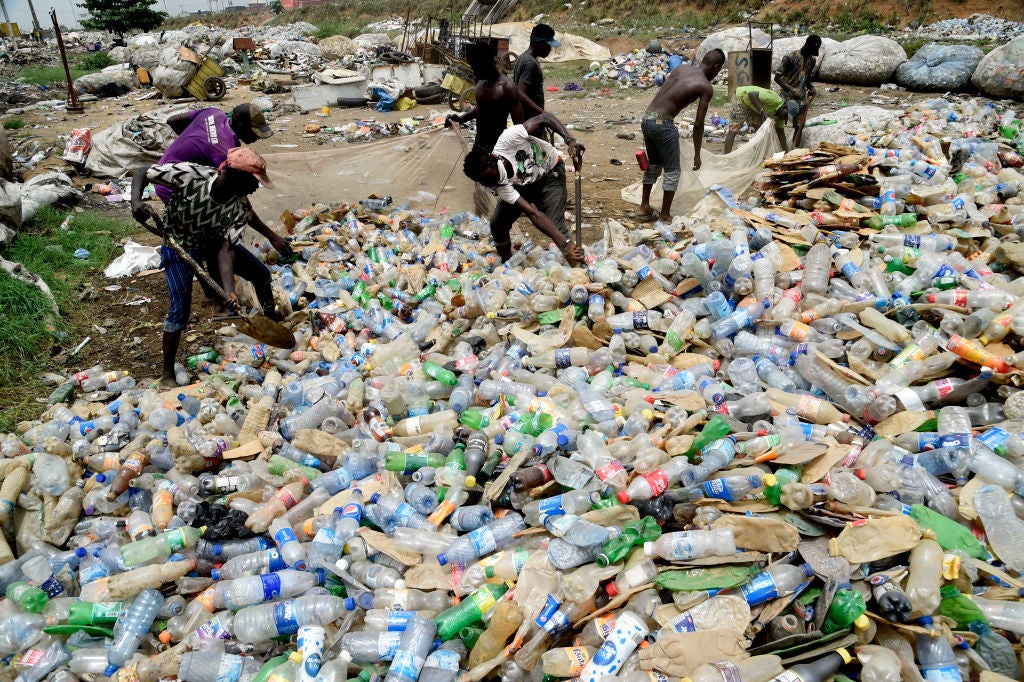
All year round, one common sight around urban communities such as homes, markets and other public spaces, particularly within the Jos/Bukuru metropolis, is the visible presence of plastic bags.
These polythene bags, which are always in abundance, easily turn an environment into an eyesore, no matter the efforts made to beautify it.
For a state that prides itself as a hub of tourism, this is quite unfortunate.
The spread, impact of polythene bags
Apart from causing environmental pollution, polythene bags are lightweight and easily carried by the wind. As a result, they hang on shrubs, find their way into unkempt grass, marshes, ponds and even treetops, thus spoiling the natural beauty of nature.
They are also a common sight on fences and open spaces. This visual blight reduces the quality and beauty of natural landscapes and the environment.
A drive along some major streets, such as Ahmadu Bello Way and Murtala Mohammed Way, all within the Terminus axis, reveals heaps of refuse in the middle of road pavements, with plastic bags constituting 80 percent of the waste.
The same goes for Farin Gada, Bauchi Road, Gada Biyu, Hwolshe and Abattoir areas, all in Jos.The same menace is a recurrent feature in the heart of Bukuru town, especially around the Kugiya Market.
These areas produce a high number of plastic bags due to population growth, commercial and other social activities, especially around motor parks, shops, restaurants and such other business ventures within the Jos metropolis.
However, despite the provision of refuse dumps by the Plateau State Government at some designated areas within the city centre, especially around the commercial nerve of the city, some unpatriotic individuals ignore such containers and empty their waste by the roadside or inside drainages, which calls for greater public enlightenment and advocacy by relevant authorities to mitigate the situation.
In most parts of Jos, disposed polythene bags usually find their way into drainages and refuse dumps in areas where there is little or no inspection by relevant government agencies that should enforce compliance with basic environmental regulations.
Environmental, agricultural challenges
The impact of environmental pollution can be seen in land degradation in areas such as the popular West of Mines water drainage, the Gada Biyu bridge waterway, which flows to Farin Gada and beyond, and Rikkos, Gadan Zuggai, which is also a water depository for the Farin Gada River.
These are flashpoints where accumulation of polythene bags and other refuse materials during the rainy season clog stormwater drains and sewage systems. This blockage is also a major contributor to flooding whenever there are heavy rains.
Apart from the hazards of microplastic pollution to waterways, the impact is fast becoming a significant challenge to farmlands, especially where polythene bags litter agricultural land or natural farming areas, forming a layer in the soil and blocking the circulation of air and water.
This negatively affects the growth of plants and a healthy ecosystem.No doubt, it is the time for Nigeria to begin to look for alternatives to polythene by following the example of other advanced or developing countries that have banned its use and replaced it with paper bags, which can be easily disposed of or recycled.
It is, therefore, incumbent on government to come up with appropriate legislation and measures that would compel shops, restaurants and other businesses to stop dishing out polythene bags to their customers.
The evolution of a plastic bag–free environment by the Plateau State Government could take a cue from the Lagos State Government, which banned single-use plastics in 2024.The experience of traders in Lagos showed that a ban without affordable, accessible alternatives creates significant hardships for market women and food vendors.
Therefore, in Plateau State, there is a need for proper research on how manufacturers can be encouraged with incentives to produce paper bags or cloth bags, alongside massive public enlightenment on the need to embrace any ban in the near future.
Urgent actions, public responsibility
In the meantime, as a matter of urgency, to rid the Jos-Bukuru metropolis of polythene bags littering street corners, the Plateau State Ministry of Environment needs to create more dumpsites for proper treatment of waste, set up plastic waste collection centres in all nooks and crannies of the metropolis and engage private partnerships in plastic waste management.
The bottom line is that, in the quest to achieve meaningful progress toward a clean environment free from the hazards of polythene, there is an urgent need for us as citizens to change our behaviours. Therefore, all hands must be on deck as we seek for viable alternatives.