



By HENRY DIYO
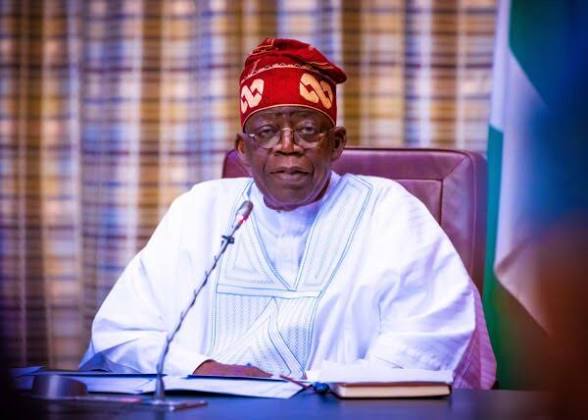
As Nigeria inches closer to the 2027 general elections, President Bola Ahmed Tinubu’s administration is facing mounting criticism from opposition parties, economists, and civil society organisations.
They accuse it of presiding over deepening economic hardship, fiscal mismanagement, and persistent insecurity, despite three years of reforms the government continues to defend as necessary and impactful.
Opposition voices, particularly from the African Democratic Congress (ADC), have intensified their criticism, describing the administration as “the most incompetent in Nigeria’s history.”
Opposition escalates economic criticism
ADC National Publicity Secretary, Bolaji Abdullahi, has repeatedly pointed to overlapping budgets as evidence of what he called “budget confusion” and “poor project implementation.”
He noted that elements of the 2024, 2025, and 2026 fiscal plans are running concurrently.In a March statement, the party described the 2026 budget proposal as “a debt trap masquerading as reform,” warning that excessive borrowing and unrealistic revenue projections could further mortgage the country’s future.
The economic picture, according to critics, remains bleak for ordinary Nigerians. The latest World Bank Nigeria Development Update shows that poverty levels rose from 56 per cent in 2023 to 61 per cent in 2024, and further to 63 per cent in 2025, representing about 140 million people living below the poverty line.
The report also noted that while headline inflation has eased from peaks above 30 per cent, household incomes have not grown fast enough to match still-elevated prices, leaving many families “barely surviving.”
Critics argue that the removal of fuel subsidies and the naira flotation—both flagship reforms of the Tinubu administration—have disproportionately burdened the poor without delivering the promised relief.
Accusations of governance failure, insecurity
ADC leaders have further accused the administration of prioritising re-election politics over governance. Abdullahi said: “This is what happens when a government is distracted.”
He argued that policy reversals and weak execution reflect a focus on power retention rather than effective leadership.Similar sentiments have been expressed by other opposition figures, including Social Democratic Party (SDP) chieftain Adebayo Adewole, who warned that Nigeria risks sliding toward “one-man rule,” with the ruling All Progressives Congress (APC) potentially representing its first phase.
Security challenges have also intensified the criticism. Despite President Tinubu’s repeated promises to defeat terrorism and banditry, including fresh commitments during the unveiling of the 2026–2030 National Development Plan, attacks continue across the North-East, North-West and North-Central regions.
Opposition spokesmen have also drawn comparisons with Tinubu’s past criticisms of previous administrations, arguing that the current security situation suggests that “Nigeria has no government,” as Abdullahi put it.
Rising political tension ahead 2027
The political temperature has risen further amid allegations of government interference in opposition structures.
The ongoing crisis within the ADC has been widely blamed on alleged allies of the ruling party, prompting a rare display of unity among opposition leaders.
On April 8, prominent opposition figures staged a “Save Nigeria Democracy” protest at the Independent National Electoral Commission (INEC) headquarters in Abuja.
Those present included former Vice President Atiku Abubakar, Peter Obi, Rotimi Amaechi, Rabiu Musa Kwankwaso, and others.Some opposition factions are also reportedly considering the option of an election boycott as political tensions continue to escalate ahead of 2027.