



By DUNG CHUNG
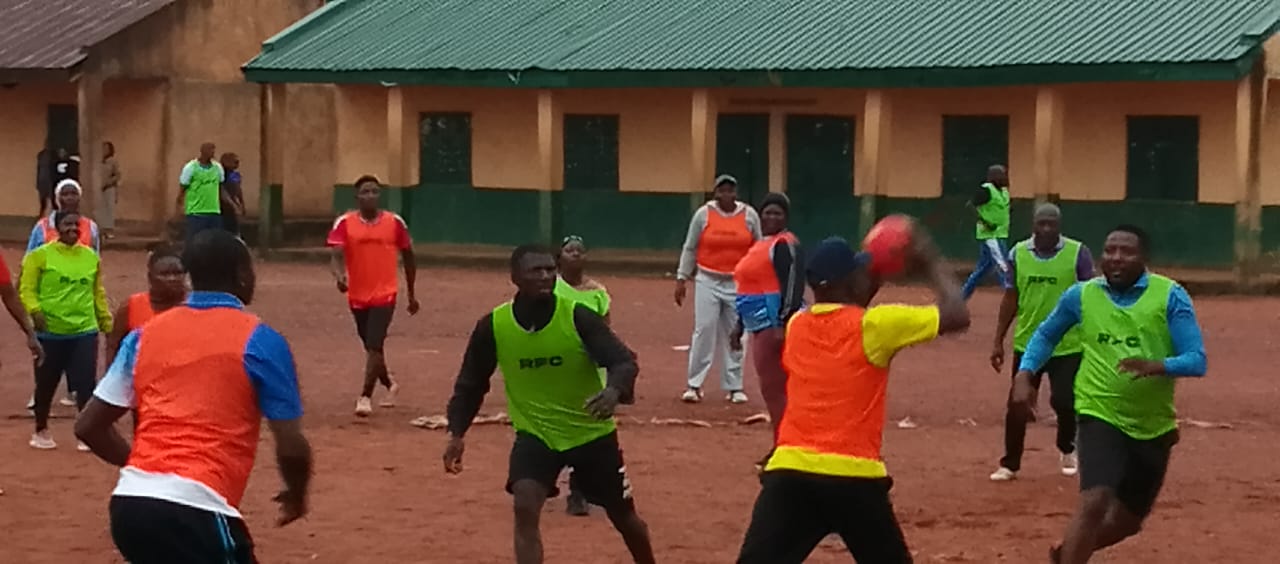
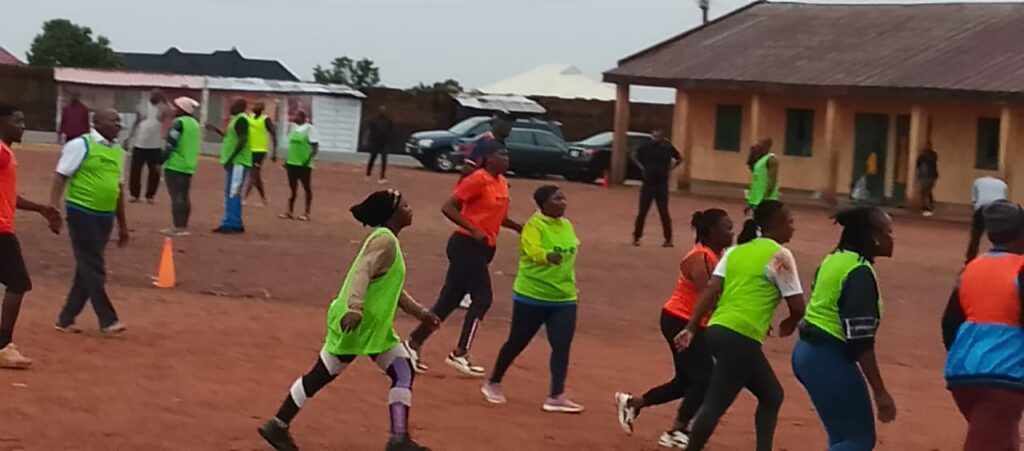
Today in Nigeria, sports have been recognised as a powerful tool in shaping the minds and character of young people. In a country where social vices such as drug trafficking, armed robbery and cybercrime are prevalent among youths, sports can serve as a vital instrument in curbing these menaces.
By engaging young people in sports, leaders can provide them with positive outlets for their energy and emotions. Sports can transform idle minds into productive ventures, turning individuals into success stories.
Redirecting youth energy through sport
Take, for instance, a Gada Bui youth who may be tempted to indulge in selling cannabis. Such a youth may instead have aspirations to become the next Victor Osimhen, Kelechi Iheanacho, Anthony Joshua, Tyson Fury or Serena Williams of this generation.
This is where sports play a vital role in redirecting energy towards positive goals.Sports events also assist young people in managing emotions and mental health.
These youths are often bubbling with high spirits and emotions, which, if properly channelled, can become a source of pride and a driving force for achievement.
Sports, unity, national development
The 1996 Africa Cup of Nations victory by the Nigerian Super Eagles is a prime example of how sports can unite a nation. That milestone achievement brought national unity, symbolising sports as a unifying factor in driving human capital development.
Similarly, sports foster teamwork, which has given many Nigerians recognition in the global community. The likes of Austin “Jay-Jay” Okocha, Peter Rufai, Nwankwo Kanu, the late Rashidi Yekini, and Stephen Keshi remain etched in the history of football.
These legends demonstrate how teamwork can lead to success. They put aside individual differences to play for national unity and promote the country’s integrity, showcasing sports as a powerful tool for nation-building.
Need for stronger sports development policies
To curb youth restiveness and social vices, government and leaders should prioritise sports development. This can be achieved through the organisation of sports seminars and workshops, as well as providing support and incentives to encourage participation and better performance.
Government at all levels should also build sports infrastructure, such as indoor sports complexes, closer to the youth to ensure proper utilisation of facilities. This will provide opportunities for young people to engage in sports and develop their skills.
Sports can also play a crucial role in promoting peace, unity, religious tolerance, and community growth by breaking down barriers and fostering understanding among different groups.In addition, sports provide a platform for youth to develop important life skills essential for success in all areas of life, including academics and careers.
Moreover, sports offer opportunities for young people to develop their talents and pursue careers in sports-related fields such as coaching, sports administration, and sports journalism.To make sports more accessible, government and private organisations should provide scholarships for talented youths.
This will enable them to pursue their dreams without financial constraints.Community-based sports programmes can also play an important role in promoting sports development by providing a supportive environment for young people to grow their talents.
As Nigeria continues to grapple with social vices, it is imperative that leaders give sports a chance by redirecting the energy of youths towards positive goals and creating a brighter and better future for all.