




In this report, HENRY DIYO & USHUKON DANIEL examine long-standing myths, rumours and fears surrounding death and those who work closely with the dead. Drawing from field visits to mortuaries, graveyards and ambulance services within Jos metropolis, alongside accounts from professionals and community narratives, the writers interrogate the blurred line between folklore and reality, and the psychological roots of society’s fear of death
In the silent hours after midnight, when the living sleep, something else appears to be stirring among the dead. Bodies twitch or even speak inside refrigerated drawers. Sirens wail inside sealed ambulances carrying only corpses, and fresh graves show signs of being disturbed from beneath.
These are the frightening stories usually heard in neighbourhoods while growing up—stories of strange phenomena involving dead bodies in mortuaries, ambulances and graveyards, shared in hushed voices. Such narratives often describe cases where the deceased are believed to resist remaining dead and are commonly attributed to occultic or supernatural involvement.
A story was once told of a titled chief who died and was to be buried in the city against the customs and traditions of his culture. His corpse was reportedly transported from the morgue to the city when the ambulance mysteriously broke down.
When the coffin was brought down for the ambulance to be fixed, the vehicle immediately came back to life, prompting the driver, family and escorts to change direction and bury him in the village according to custom.
Another story tells of a man who died in one state and later appeared in a different state. He allegedly lived a normal life in his new location, got married and fathered numerous children until his second death. Out of curiosity, after his passing, his wife reportedly searched for his family and discovered he had already been dead before.
A similar account speaks of a hotel built close to a graveyard where strange and suspicious sounds resembling sexual activity were heard at night, prompting residents to believe the dead were responsible for the noises.
These stories and similar accounts continue to circulate widely, shaping public perception of death and burial spaces.
Inside mortuaries, graveyards, professional testimonies
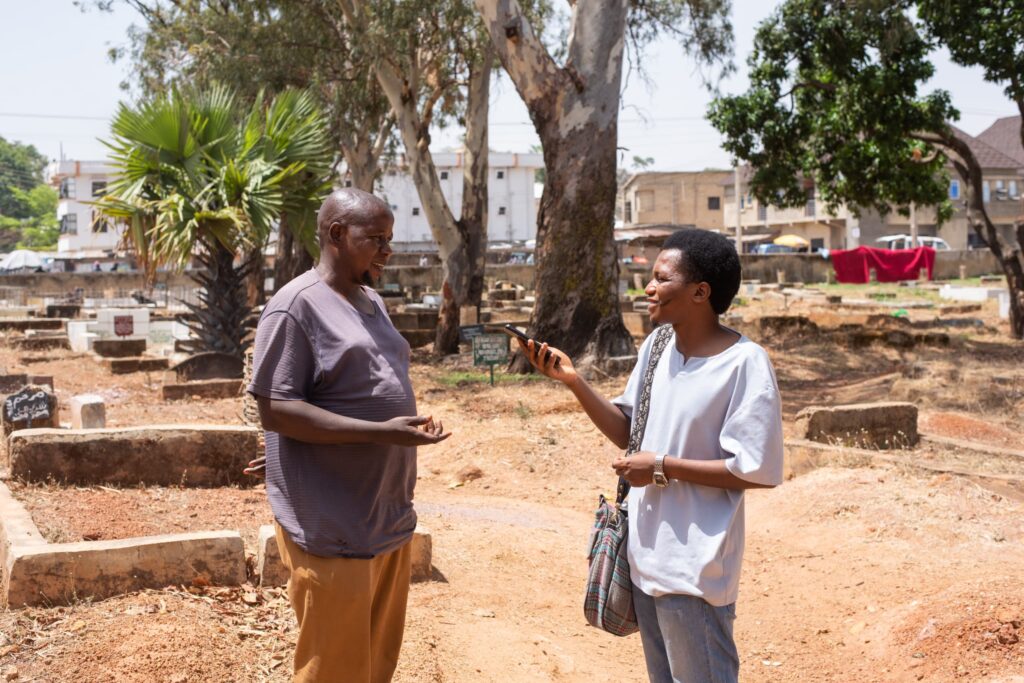
Driven by these recurring narratives, reporters visited mortuaries and graveyards within Jos metropolis to hear directly from those who work closest with the dead, including morticians, attendants, graveyard security personnel and ambulance drivers.
At a prominent hospital mortuary, a mortician who spoke under anonymity recounted a disturbing incident involving a vindictive nurse who allegedly locked her colleague inside the morgue at night and left.
The nurse, he said, was devastated and pleaded with the mortician on duty to open the door, but he initially thought it was one of the dead bodies speaking to him, a situation he described as not unusual in such environments.
He further narrated that as the night progressed and the environment grew colder and more frightening, the nurse repeatedly sought help without success.
According to him, “At almost midnight, she heard it loud and clear in her spirit that she should open one of the refrigerators and lie down silently, but that she should not push it back in or she would freeze to death, which she obeyed.”
The mortician continued: “Shortly after that, at about 12:30 am, the mortuary seemed to come alive with movements. The dead came alive and headed to any part of the wall to exit. One of them reminded the others that newcomers were among them and asked if they could find out what their cause of death was.
“Thankfully, they decided against it, saying until they came back. Like a horror film, each disappeared through the wall and a terrifying silence enveloped the mortuary. It was only God that held the nurse’s mouth shut.”
He added that at about 2:00 am, another dead body was brought in, after which the nurse managed to escape.
“You don’t want to know the remaining story and how it was tackled,” he added.
Medical personnel also stated that no one is permitted to enter the mortuary without knocking loudly and clearly three times, with each knock spaced apart, though the reason for this practice was not explained in detail.
Contrary to such eerie narratives, Mr Bashir Mohammad, Chief Security of the Zaria Road Graveyard, dismissed stories about the dead as mere rumours.
“In my 30 plus years of securing the graveyard, I’m yet to witness a disturbing incident,” he said.
He, however, urged government attention to the welfare of graveyard workers, noting that many are volunteers without formal employment.
“We take care of ourselves from stipends from support groups and visiting family members of the deceased,” he said.
Similarly, Mr Adolphus Wansay, a veteran mortician with Our Lady of Apostles, OLA, Hospital Mortuary, Zawan, said he has worked for over 15 years without witnessing any frightening occurrence involving the dead.
“There’s no reason to fear corpses,” he declared.
He added: “People usually fear what they don’t understand, and that is why false information is rampant. It is just like the case of insurgency in this town and the false narratives that go with it.”
Wansay also clarified a common misconception, explaining that not all mortuary workers are attendants. According to him, attendants are cleaners, while morticians handle embalming.
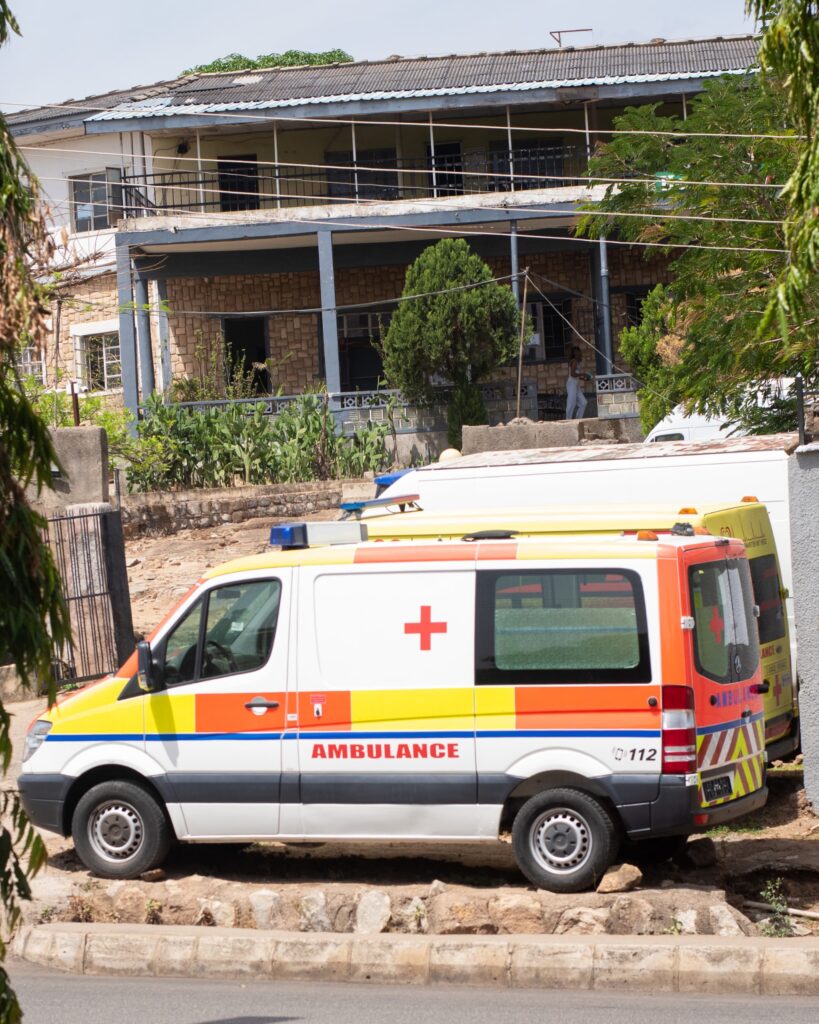
An ambulance driver, Bitrus Mancha, also supported these views, calling for awareness campaigns to correct public misconceptions about the dead and those who work with them.
“I appreciate you guys for coming to hear from us today. Sometimes, I go out into the streets and hear untrue stories about my profession and it baffles me because it is mostly fabricated,” he said.
Mancha urged the public to seek firsthand information from professionals in order to stop the spread of false narratives.
Why these myths persist, rethinking death spaces
Psychologists explain that false narratives about the dead often stem from deep-seated anxieties about mortality. Fear and curiosity about death are natural, but when amplified by emotion and folklore, they produce distorted perceptions that linger in public consciousness.
Folklore, social media, Hollywood horror films and unverified rumours further perpetuate and reinforce these myths, prioritising shock over accuracy. This cycle reinforces fear and misunderstanding, overshadowing the scientific, respectful and humane realities of mortuary and burial practices.
Breaking this cycle, experts say, requires education, empathy and transparency from medical and funeral professionals, as well as responsible journalism and public engagement with “death literacy.”
Learning to see mortuaries, graveyards and ambulances as spaces and vehicles of care and reflection, rather than horror, can help reduce fear and encourage healthier public understanding of mortality.
Turning graveyards into green spaces and parks through the planting and maintenance of trees and flowers, as proposed by architectural and environmental experts, is another approach.
Prof Chanle Sati of the University of Jos explained:
“Cemeteries, when properly designed, become spaces where nature and culture converge, where memory lives among the living, technically our living urban archives.”
He described this as an intentional effort to transform graveyards into spaces of life, remembrance, reflection and visitation, thereby reducing fear and addressing existing myths and enigma.
For now, the world of the dead is gradually being brought into open discussion rather than whispered secrecy. Reporters, non-governmental organisations and curious individuals are being encouraged to explore it with clarity and responsibility.
The dead, in this framing, are not silent mysteries but part of a reality the living must better understand.