




Hairstyles in Africa have long gone beyond beauty and fashion, serving as symbols of identity, status and heritage. In this report, FRANCISCA ADIDI examines the contrast between traditional and modern hairstyles, showing how both continue to shape culture while contributing significantly to Nigeria’s growing beauty economy
For generations, women’s hairstyles served as a powerful form of non-verbal communication across many tribes and cultures. They symbolised identity, social status, age, marital status and cultural heritage. These hairstyles were more than personal expressions, as they also influenced social relationships and community life.
In earlier times, hairstyles were often created by women themselves or through shared services among relatives and neighbours. This practice helped many women perfect the art of hair plaiting while strengthening communal bonds.
The origin of braiding can be traced through centuries of African history, where hairstyles were regarded as a central part of feminine beauty. Although some African men also braided their hair, their styles were usually less elaborate than those of women.
Traditional hairstyles were more economical because they required little or no artificial additions such as extensions or imported attachments. This reduced costs for families and made grooming more accessible. African hairstyles remain celebrated for their uniqueness, versatility and beauty. From braids to cornrows and hair decorated with ornaments, they continue to reflect creativity and artistic excellence.
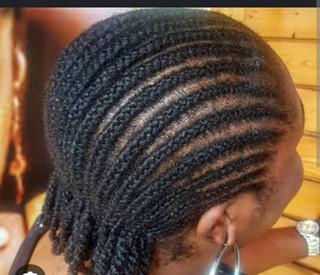
Hairstyles as symbols of identity
In Nigeria, hairstyles carried deep social meaning, and in some communities they still do. Hair arrangements often communicated age, marital status, ethnic identity, religion, wealth and rank within society. Traditional hairstyles remain an important part of a woman’s sense of self and connection to her roots.
Embracing these traditional looks can be a source of pride and authenticity. They also serve as a strong statement of cultural identity, especially against past pressures to conform to foreign or Eurocentric beauty standards.
Studies have shown that both traditional and modern hairstyles in Nigeria sustain a vibrant beauty industry that contributes over $1.3 billion annually to the economy. The sector creates millions of jobs for stylists, salon owners, traders and vendors. While modern hairstyles such as wigs and extensions dominate high-value imports and commercial sales, traditional braiding preserves culture while supporting local and affordable services.
Economic benefits of hair industry
The hair industry has created massive employment opportunities and supports a broad supply chain involving importers, traders, local hairstylists and salon owners. It has become a major source of livelihood, particularly for young entrepreneurs.
Many young women have developed strong interest in the trade and now use it to finance their education. Miss Meg, a hairstylist at Tafawa Balewa, Jos, explained how she sponsored herself through university and also supported her younger sister.
“I started at home and was making hair even while in school and studying at the same time,” she said. “It wasn’t easy, but I thank God that today that struggle is history.”
Mrs. Tosin, a salon owner, also shared her experience.
“The business is very good. I was able to build a house from my business and achieve so many things that I cannot even count. The benefits are enormous.”
Beyond local income generation, Nigerians with established markets abroad export wigs, braids and other unique hair products, thereby earning valuable foreign exchange for the country.
Modern hairstyles continue to stimulate economic activity, especially during festive periods when demand for protective styles such as braids rises sharply. The market has also moved beyond generic products into higher-value niches such as glueless closure wigs and braided wigs.
At the same time, traditional hairstyles like braids and weaving remain low-cost and accessible choices, while modern adaptations of indigenous styles—sometimes described as afro-futuristic—are gaining popularity by blending heritage with contemporary fashion.
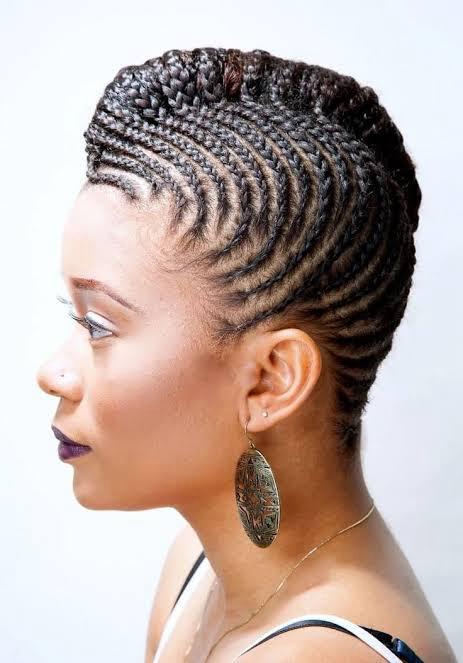
Challenges, rising costs
Despite its opportunities, the industry faces several challenges. The cost of hair services has risen considerably, particularly during festive seasons and periods of inflation. This has made hair styling and products more expensive for consumers, even though it has also increased revenue for operators.
In addition, many traditional hairstyling businesses still operate informally, limiting their access to loans, business support and formal financial services.
All said, Nigeria’s hair industry remains a high-demand sector that combines fashion with strong economic potential. Through exports, entrepreneurship, job creation and cultural preservation, both traditional and modern hairstyles continue to play a valuable role in national development.