


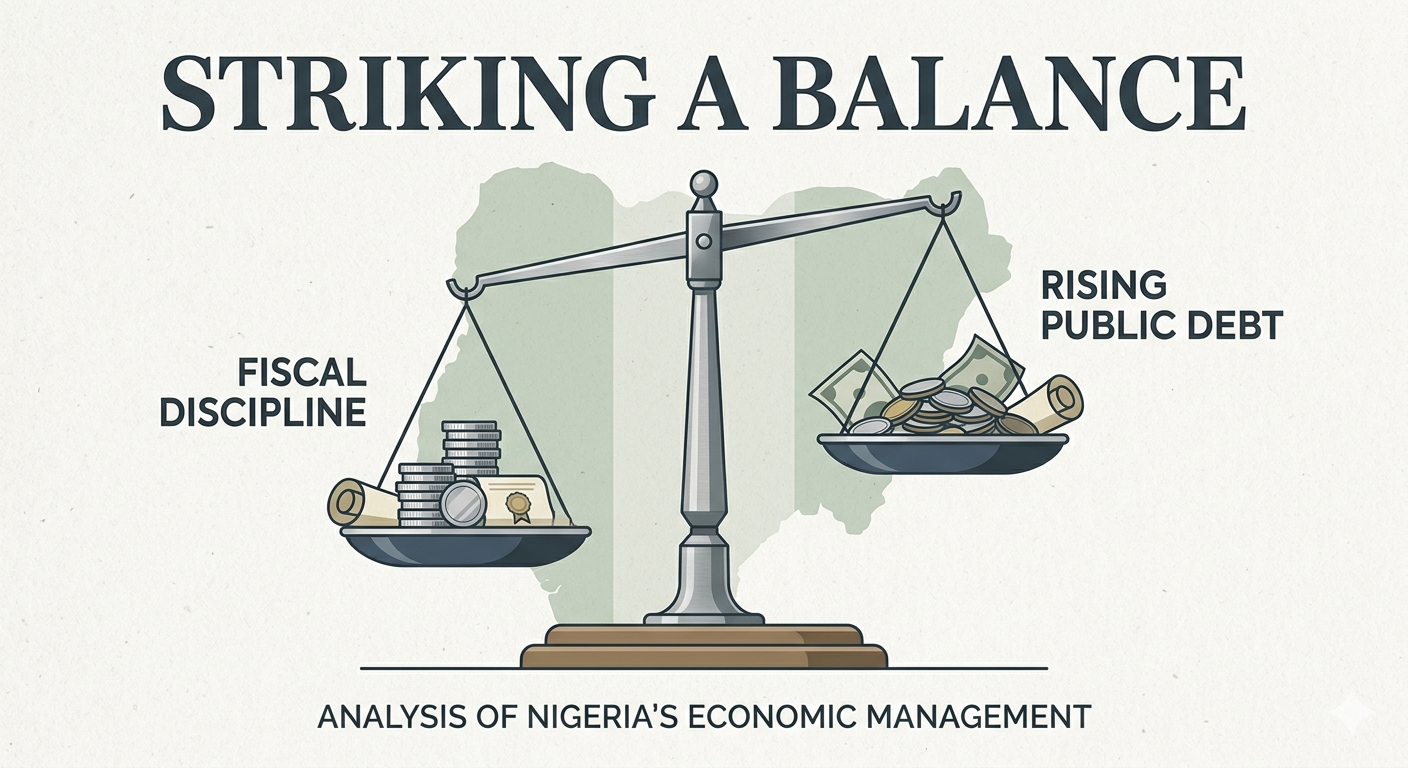

THE latest data from the Debt Management Office (DMO) presents a sobering picture of Nigeria’s subnational finances. While the country’s overall domestic debt profile continues to rise—growing by N392.41 billion between December 2024 and December 2025—a closer examination reveals contrasting fiscal behaviours among states, with some reducing debt exposure while others significantly expand theirs amid persistent economic pressures.
WITHIN this mixed landscape, Plateau State stands out as one of the jurisdictions demonstrating measurable restraint and fiscal responsibility. Alongside several other states that reduced their debt profiles during the period under review, Plateau recorded a reduction of N26.59 billion in its domestic debt stock. This commendable development reflects more than statistical adjustment. It signals a deliberate governance approach anchored on prudence, accountability and disciplined resource management.
THE NIGERIA STANDARD believes that from a governance standpoint, fiscal discipline is neither accidental nor symbolic. It reflects conscious policy choices, institutional coordination and a commitment to aligning expenditure with available revenue. At a time when many subnational governments continue to depend heavily on borrowing to meet recurrent and capital obligations, Plateau’s trajectory suggests a more cautious and potentially more sustainable model of public finance management.
MOST importantly, this fiscal posture appears to be translating into visible developmental outcomes across sectors and communities within the state. There is growing public acknowledgment, cutting across political and ethnic divides, that government resources are being directed towards areas with direct impact on citizens’ welfare and infrastructure development. While development needs remain extensive, the perception of more efficient and purposeful resource allocation is itself a significant indicator of governance credibility and public trust.
THIS stands in contrast to the broader national pattern highlighted in the DMO report, where 14 states and the Federal Capital Territory, FCT, recorded increases in domestic debt. Lagos, Kaduna and the FCT accounted for some of the most substantial rises, underscoring ongoing concerns about rising subnational indebtedness and its implications for fiscal sustainability.
ECONOMISTS and policy analysts have repeatedly warned that continued borrowing without corresponding improvements in capital formation, revenue generation and productive investment raises serious questions about long-term fiscal health. Where debt accumulation does not translate into measurable development outcomes, the risk of fiscal stress becomes increasingly pronounced.
IT is within this national context that Plateau State’s position assumes added significance. We believe that fiscal discipline, when consistently applied, strengthens institutional credibility, improves planning efficiency and enhances the ability of government to deliver public goods without excessive reliance on future liabilities. It also reduces vulnerability to debt distress and creates room for more strategic investment in development priorities.
HOWEVER, while Plateau’s performance is commendable, sustaining such discipline remains essential. Fiscal prudence must be institutionalised beyond temporary gains, ensuring that governance decisions continue to prioritise long-term stability over short-term expansion.
ULTIMATELY, Nigeria’s subnational debt trajectory presents both a warning and an opportunity. The warning lies in the risks associated with unchecked borrowing; the opportunity lies in the examples of states that are demonstrating restraint and responsibility. Therefore, Plateau State, in this regard, offers a useful reference point for how disciplined fiscal management can coexist with visible governance outcomes.
AS national conversations on debt sustainability continue, one reality remains clear: the future stability of Nigeria’s federating units will depend not only on how much they borrow but on how effectively they manage and deploy the relativity limited resources already at their disposal.