



Sir,
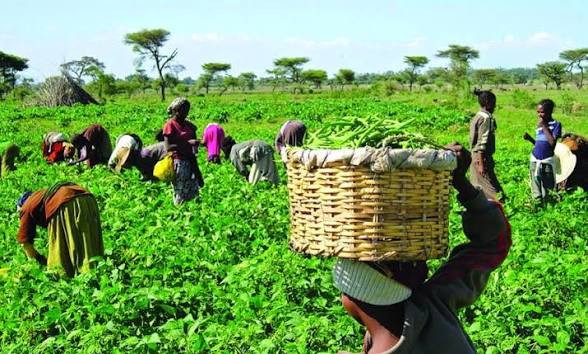
As the 2026 farming season begins across Plateau State, a growing sense of anxiety is spreading through rural communities. From Mangu to Bokkos, Barakin Ladi to Shendam, Jos South and other local government areas, farmers are voicing the same concern: the government-subsidised fertiliser they depend on has not been distributed, and time is running out.
April is ending, and with it the vital window for land preparation and early planting of maize, potatoes, rice and other staple crops. Yet across the state’s 17 local government areas, bags of government fertiliser have still not reached the ward and district levels where local farmers can access them. For many smallholder farmers, the delay is not just an inconvenience; it is a direct threat to their harvests, incomes and the state’s food security.
For Plateau farmers, fertiliser is not a luxury. The state’s rich but heavily cultivated soils require NPK and urea to maintain yields, especially after years of intensive use. In the open market, a 50kg bag of NPK now sells for between ₦42,000 and ₦48,000, while urea is about ₦40,000. Last season, government-subsidised bags were sold at between ₦18,000 and ₦22,000, providing a lifeline for farmers cultivating one to three hectares.
Many farmers have already cleared and ridged their farms and are waiting only for fertiliser to apply during planting. Agronomists note that delaying application beyond the first two weeks after planting can cut maize yields by 30 to 40 per cent. For a state that supplies a large share of Nigeria’s Irish potatoes, tomatoes and vegetables, that margin could translate into thousands of tonnes of lost produce.
Plateau State has long been called the Home of Peace and Tourism, but it is also one of Nigeria’s food baskets. With insecurity in parts of the Middle Belt already disrupting farming, any drop in Plateau’s output will be felt in markets from Lagos to Maiduguri. Farmers warn that without timely fertiliser access, the state could face reduced harvests by August, pushing food prices higher and undermining Governor Caleb Mutfwang’s agricultural transformation agenda.
Farmers are not asking for handouts; they are asking for timely action. Agriculture waits for no one. The rains have started in the southern parts of Plateau, while the northern local government areas are expected to follow in early May. Every week of delay narrows the planting window and reduces potential yields.
We, therefore, respectfully appeal to the Plateau State Ministry of Agriculture and the relevant distribution committees to urgently fast-track the release of the 2026 subsidised fertiliser to all local government areas within the next seven days. We also urge transparency in the process by working directly with recognised farmer cooperatives and traditional institutions in order to prevent diversion.
Furthermore, government should communicate clearly with farmers on delivery timelines so they can properly plan their planting activities. Timely information is essential if this season is to be successful.
The farmers of Plateau are resilient and hardworking. They have prepared their lands and are ready to feed the state. What they need now is the critical input to make that happen. Timely fertiliser distribution is not just about crops; it is about livelihoods, stability and the promise of food security for millions.
The rains will not wait. Plateau farmers hope the government will not either.
John Wash,
Gwol,
P.O. Box 295,
Barakin Ladi,Plateau State