



The Mast Tree is emerging as one of the most practical trees for modern living, valued for its attractive appearance, ability to improve air quality, reduce heat and noise, support wildlife and provide recognised medicinal benefits. In this report, HENRY DIYO & LYDIA ALI highlight why experts believe the species is an ideal choice for homes, parks and urban landscaping
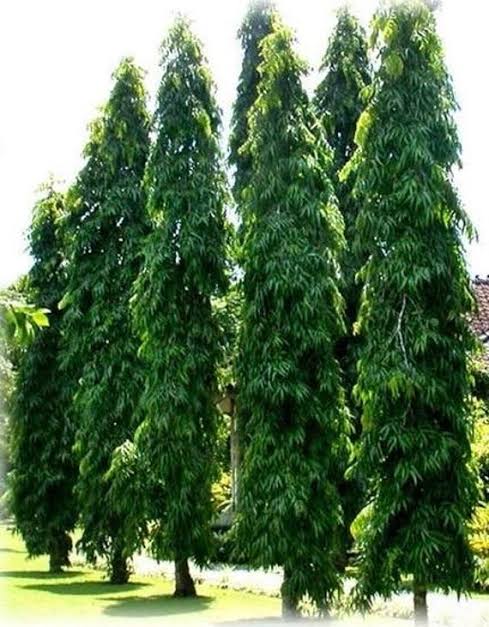
In the bustling cities and sprawling suburbs of our warming world, one tree stands out as a quiet champion of both planet and people: the Mast Tree, scientifically known as Polyalthia longifolia and also called the Indian Mast Tree or False Ashoka.
With its tall, slender, weeping form and glossy evergreen foliage, this graceful species has long lined native landscapes in India and Sri Lanka. Yet its true value lies far beyond aesthetics.
From purifying the air we breathe to offering proven medicinal compounds, the Mast Tree is a low-maintenance powerhouse that delivers outsized environmental and health benefits.
As climate anxiety rises and urban green space shrinks, experts and ecologists increasingly point to it as a tree worth planting, whether in a backyard, community park or roadside strip.
Dr Edward Mwansat of the University of Jos explained: “The Mast Tree is the ultimate tree of beauty, service, and health. That is why you can see them planted by the state government along the capital’s road networks.”
Natural air filter, noise buffer for polluted cities
Urban dwellers know the struggle of traffic fumes, construction dust and constant honking. The Mast Tree helps tackle all three.
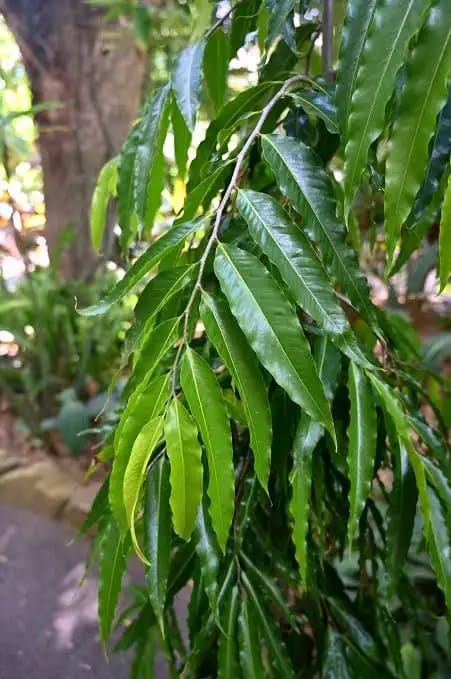
Its dense, lance-shaped leaves act like living filters, trapping airborne pollutants such as dust, carbon monoxide and particulate matter while absorbing carbon dioxide and releasing fresh oxygen.
When planted in rows, it forms an effective barrier that significantly reduces noise pollution, making it a favourite for roadside and avenue planting.
Its extensive root system stabilises soil and prevents erosion, while the canopy provides cooling shade that can lower local temperatures by several degrees, an increasingly vital service as heatwaves intensify.
Unlike many ornamental trees that drop messy leaves throughout the year, the Mast Tree is remarkably clean and low-shedding, requiring pruning only once every one to three years.
It grows quickly to heights reaching about 45 feet in a neat columnar shape, making it ideal for privacy screens, windbreaks or living walls in space-constrained tropical and subtropical yards.
Beyond infrastructure benefits, it supports biodiversity. The fragrant pale-yellow flowers attract bees, butterflies and other pollinators, while the fruit and dense branches offer shelter and food for birds and small mammals.
In short, one Mast Tree can become a mini-ecosystem that enriches local wildlife and helps combat biodiversity loss in urban areas.
From roots to remedies: Health benefits
The advantages of the Mast Tree do not stop at the environment. It is also reported to have an impact on human health, both indirectly and directly.
Indirect benefits include cleaner air, fewer respiratory irritants, reduced urban heat and natural noise buffering that can help manage blood pressure.
Studies on urban greening consistently show that access to leafy canopies improves mental wellbeing, encourages outdoor activity and even supports better sleep, benefits communities can reap simply by planting more Mast Trees.
Its direct medicinal value elevates the tree further. In traditional Ayurvedic and folk systems across India, Nigeria-adjacent tropical regions and beyond, decoctions of its bark and leaves have been used for centuries to treat fever, skin ailments, hypertension, diabetes and intestinal worms.
Modern pharmacological research supports many of these uses, with extracts showing antimicrobial, anti-inflammatory, antioxidant and hypoglycaemic blood sugar-lowering properties.
Compounds isolated from the leaves and bark have also demonstrated activity against certain bacteria, fungi and oxidative stress in laboratory studies.
Dr Ashish Suthar of Herbal, Piramal Life Sciences India explained: “The therapeutic efficacy of P. longifolia, extensively used in the Indian System of Medicine, has been established through modern testing and evaluation, preclinical and clinical trials in different disease conditions.
“These studies position this indigenous drug as a novel candidate for bioprospecting and drug development for the treatment of diseases such as cancer, infectious diseases, diabetes, and various inflammatory conditions.”
In home gardens or community herbal initiatives, the leaves and bark offer a sustainable, locally grown resource for traditional remedies, effectively turning a yard into a living pharmacy.
Dr Francis Datiri said while it is no miracle cure and should never replace professional medical care, the tree’s bioactive compounds continue to intrigue researchers exploring natural anti-ulcer, hypotensive and anti-cancer leads.
Easy to grow, easier to maintain
The Mast Tree is also forgiving for the everyday planter. Native to India and Sri Lanka, it thrives in the warm, humid climates of West Africa, Southeast Asia, Florida and similar tropical zones, exactly the kind of conditions found across much of Nigeria.
It tolerates a range of soils, handles drought once established and asks only for full sun and occasional watering in the first year.
Its wood is lightweight yet strong and was historically used for ship masts, hence the name. The tree itself is pest-resistant and storm-tough.
Usman Bala, a gardener, said: “Planting is usually straightforward. Just pick a spot with space to grow upward rather than outward, water deeply until the roots take hold, and watch it transform your space within a few seasons.”
In an age when every tree counts, the Mast Tree offers a rare combination of beauty that calms the eye, environmental services that heal the planet and health compounds that support the body.
It cleans the air, quietens streets, shelters wildlife and quietly supplies traditional medicine, all while demanding little in return.
Whether you are a homeowner in Nigeria looking to beat the heat, a community leader pushing for green reserves and neighbourhood greening or simply someone who wants to leave the world a little better, planting a Mast Tree could be a wise choice.
One small sapling today can become a towering green guardian tomorrow, working around the clock for cleaner air, cooler streets and healthier lives. The planet, your nose, your lungs and your body will certainly thank you.