



By HOSEA NYAMLONG, SEKYEN WALSHAK & USHUKON DANIEL
A heavy downpour has swept across Jos and its surrounding communities, marking one of the most intense rainfalls recorded in the area so far this year.
A heavy downpour that started between 7pm and 9pm on Wednesday night has also brought relief to residents after days of intense heat, unlike any ever experienced in the city and its environs.
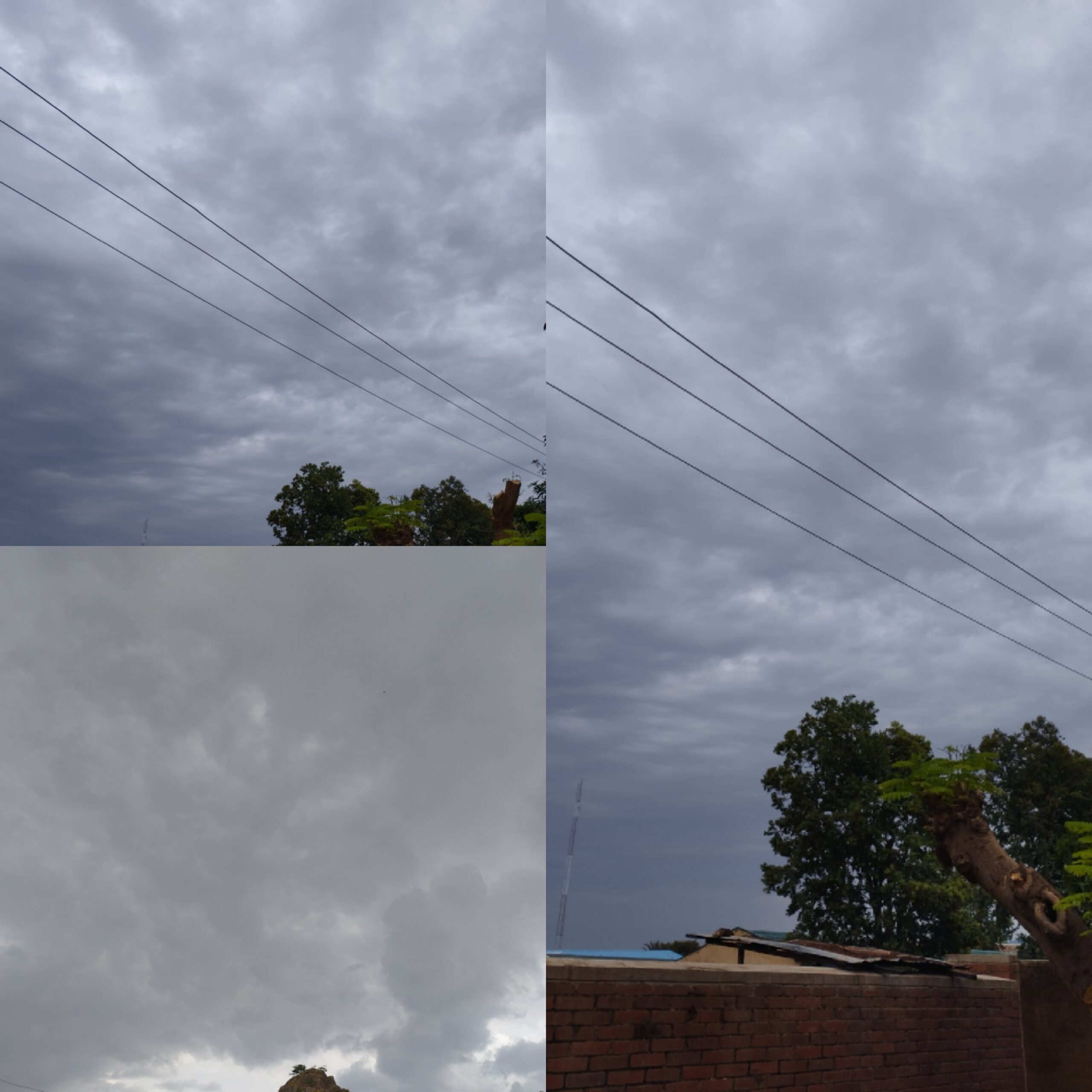
The rain, which began on Wednesday night and quickly intensified, lasted for several hours, forcing people indoors as strong winds accompanied the downpour and significantly lowered temperatures.
As of Thursday morning, the weather remains cloudy, creating a calm and cooler atmosphere across the city.
While the rainfall signals a seasonal shift and brings relief from the recent heatwave, concerns remain regarding its potential impact on vulnerable areas.
However, reports from correspondents across the city indicate minimal damage, with residents largely welcoming the development.
Despite the heavy rainfall, there have been no widespread reports of flooding, and most roads remain clear, except for dirt and debris that clogged some gutters and littered parts of the town.
In the Tina/Furaka community of Jos North, resident Davou Marcus described the rainfall as timely.
“The rainfall came at a much-needed time, considering the intense heat we have been experiencing in Jos. So far, it has not caused any serious havoc in our community,” he said.
He noted that while a few houses experienced roof leakages and some drainage systems were blocked by debris, these were “minor issues that residents can address by clearing the drainage themselves.”
At Angwan Rukuba, also in Jos North, James Yakubu highlighted the positive impact on water supply.
“This rain will help reduce water scarcity because wells will now have more water to serve residents who have suffered recently,” he explained.
“The weather is now calmer and much better, as it has reduced the high temperatures we have been facing.”
Similarly, Mary Ann Phillips, a resident of Ukadu/Odus along Bauchi Ring Road, described the rainfall as a welcome relief.
“Residents can now breathe a sigh of relief from the harsh weather conditions that were previously unbearable,” she said.
“So far, the rain has not caused any damage, and we are hopeful for more.”
In Nassarawa Gwong, Muhammad Ali Musa expressed gratitude for the downpour.
“We thank God for this blessing and pray for more rain,” he said.
Ruth Gyang also welcomed the change in weather.
“The rain made the weather cool and more comfortable. The heat has been too much these days, so the rain is a big relief,” she said.
She added that she had spent days unable to sleep well due to the heat.
“The rain has helped reduce the uncomfortable heat experienced in recent days. The weather is much better now. The heat was too much before the rain came,” she added.
Mr Nanle Joseph, who lives around Dadin Kowa, and Miss Plangnan Brenshak of Ramun community, described the rain as very heavy in their neighbourhood.
“The rain was really heavy here last night. It fell for a long time, but we are thankful there is no flooding,” they said.
However, in Rayfield and parts of Bukuru, residents reported no flooding or wind damage, and normal activities resumed as the day broke.
Mr Mahan Machef, who resides in Kangang Phase 2, said the situation remained calm.
“There’s no problem in our axis. Everywhere is normal this morning. I have not noticed or heard anything. People are looking lively, maybe because they slept well like me or because of the hope it has ignited,” he said.
So far, there have been no reports of uprooted trees or major destruction, except in some refuse-dominated areas of Rayfield and Bukuru where environmental concerns persist.
Tsento Attah, who lives in Mai Adiko, Topp area, raised concerns about sanitation.
“The rain brought a lot of relief but also raised some concerns—air pollution emanating from the gutters that surround us. Right now, flies have doubled all around us,” he said.
Climate pattern raises concern
Residents are hopeful that the cool weather will continue, but many remain watchful in case further rainfall brings unforeseen challenges.
Mr Patrick Pam, speaking from experience, noted changes in rainfall patterns over the years.
“In Plateau State, rainfall usually starts between March and May, becomes heavy around August, and gradually reduces until October. But in recent years, the pattern has changed. Rains now come late or fall less,” he said.
“This year, 2026, started differently, with early rains in March, which made many residents hopeful. But the rain stopped suddenly, giving way to intense heat,” he added.
A researcher, Solomon Zitta, in his study titled “Climate Change, Rainfall Trend and Variability in Plateau State,” explained that climate change has affected the normal timing of rainfall, leading to delays and reduced precipitation.
Rain remains vital for farming, but its irregular pattern is now a source of concern, especially as the planting season begins.
Kyermun Bitrus, a rice farmer from Dura, expressed worry over the unstable rainfall.
“If it keeps coming off and on just as it has been doing, then it will affect my yield at the end of the day,” she said.
Environmental risks, call for action
Despite the largely positive impact, residents emphasised the need for environmental responsibility to prevent flooding and disease outbreaks associated with early rains.
Mrs Kachollom Pam, who lives in Kwang (Omega High School Street), raised concerns about ongoing road construction and poor drainage.
“Our water level here is high, so when it rains heavily like this, some nearby man-made dams overflow into the streets,” she said.
“With the road construction going on, drainages have been blocked and not reconstructed. With heavy rains like this, it might lead to floods if nothing is done quickly,” she warned.
Residents across affected communities called on one another to regularly clear drainage channels and dispose of waste properly to mitigate risks as the rainy season progresses.
They also advised people living in flood-prone areas to relocate to safer grounds when necessary.
The Director-General of the Plateau State Environmental Protection and Sanitation Agency (PEPSA), Samuel Dapiya, warned that flooding can affect everyone, not only those who neglect environmental hygiene.
He urged residents to work collectively to maintain clean surroundings, particularly drainage systems and waterways, to prevent avoidable disasters as the rains intensify.