



By BLESSING HOSEA
As the first rains soften the earth and the familiar scent of damp soil signals the approach of another planting season, the instinct across farming communities is immediate and predictable — prepare the seeds, clear the farmlands, organise implements and source fertilisers. The vision is always hopeful: green fields, bumper harvests and celebrations in the dry season.
Yet, beyond these aspirations lies a sobering reality that is too often ignored — the success of the farming season is not determined solely by what is planted, but by what has been preserved.
The planting season is, by its very nature, a period of faith. It is a time of heavy investment without immediate returns. It demands physical strength, financial commitmentmand resilience. Ironically, it also coincides with the period when food reserves from the previous harvest are at their lowest.
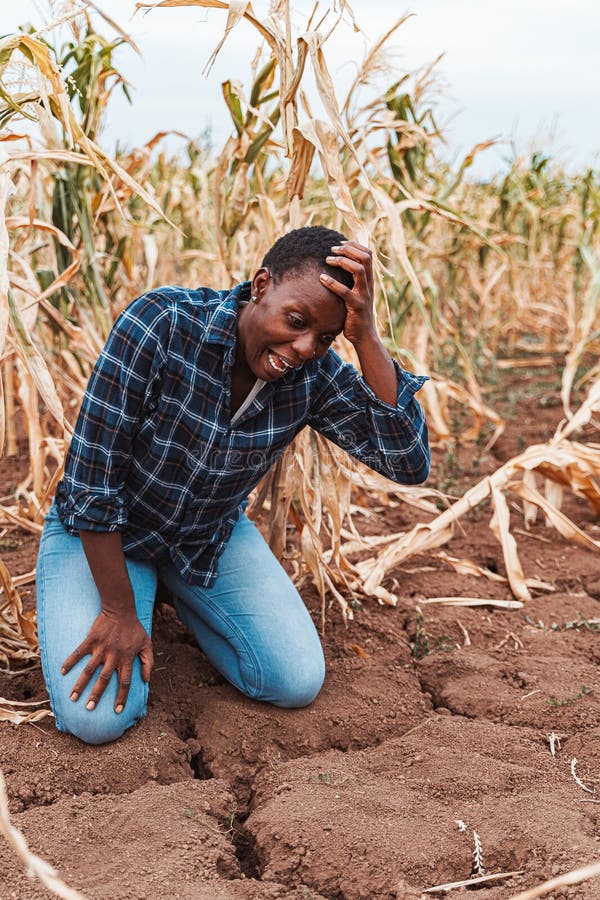
Across parts of Nigeria, particularly in communities such as Kwanpe, Turaki and Sabon-Layi in Langtang North and South local government areas of Plateau State, the consequences of poor planning are stark. There have been instances where families resorted to eating unfamiliar grass or preparing makeshift meals from mango leaves just to survive the planting months. These are not isolated cases, but symptoms of a deeper problem — the failure to conserve food and plan adequately for the lean season.
The months between sowing and the first harvest are often the most volatile for rural households. A common mistake is the premature celebration of a successful harvest, where surplus produce is either consumed too quickly or sold off without strategic reservation.
This leaves families exposed at the very moment when farming activities demand the most energy and endurance. Farming is labour-intensive, and it requires strength. A malnourished farmer cannot deliver optimal results, and the eventual harvest inevitably suffers.
Food conservation, therefore, must be seen not as an afterthought, but as a deliberate and strategic practice. It is not enough to reserve seeds for planting or produce for sale. Equal attention must be given to preserving food for household consumption during the planting season. Without this balance, families are forced into a vicious cycle — selling produce cheaply after harvest, only to buy back food at inflated prices months later when supplies dwindle and demand rises.
Equally concerning is the poor management of seeds. Some households fail to set aside quality seeds for the next planting season, while others consume everything they produce, leaving no option but to purchase seedlings at exorbitant costs.
This not only frustrates the farmer but also compromises the quality of the next harvest. When seeds meant for planting are consumed out of desperation, poverty becomes a recurring visitor. Conservation, in this sense, is not merely about food. It is about safeguarding the future.
Traditional methods of food preservation remain widely practised and effective. Drying, for instance, continues to be one of the most common methods across Nigeria, while others adopt freezing, canning, and culturally specific techniques suited to their environment. However, beyond the methods themselves lies the principle of intentionality. Food conservation is a systematic reserve — a buffer against crises, famine and economic uncertainty.
It is entirely possible for farmers to prepare for the planting season without draining the strength of their households. What is required is thoughtful planning and disciplined resource management. When families distribute their harvest wisely — balancing consumption, storage, and sale — farming transforms from a burdensome obligation into a purposeful economic activity that supports both immediate needs and long-term aspirations.
The message is simple but urgent: plan to farm, and plan to feed. A hungry body cannot produce a bumper harvest. Seeds must be guarded with the same vigilance as financial savings, because they are, in essence, the farmer’s capital for the future.
The planting season may be a leap of faith, but faith without discipline invites hardship. Food conservation is not an act of fear. It is an act of wisdom. It ensures that families have the strength to endure the present and build the future. Hardship during the planting season is not inevitable — it is often the result of a harvest forgotten too quickly.
As the cycle continues, farmers must resist the temptation to forget the struggles of planting once the harvest comes. Just as a mother remembers the pains of labour, the lessons of hardship must inform future choices. Planning, prayer and disciplined conservation remain the pillars upon which sustainable harvests — and stronger rural economies — are built.