


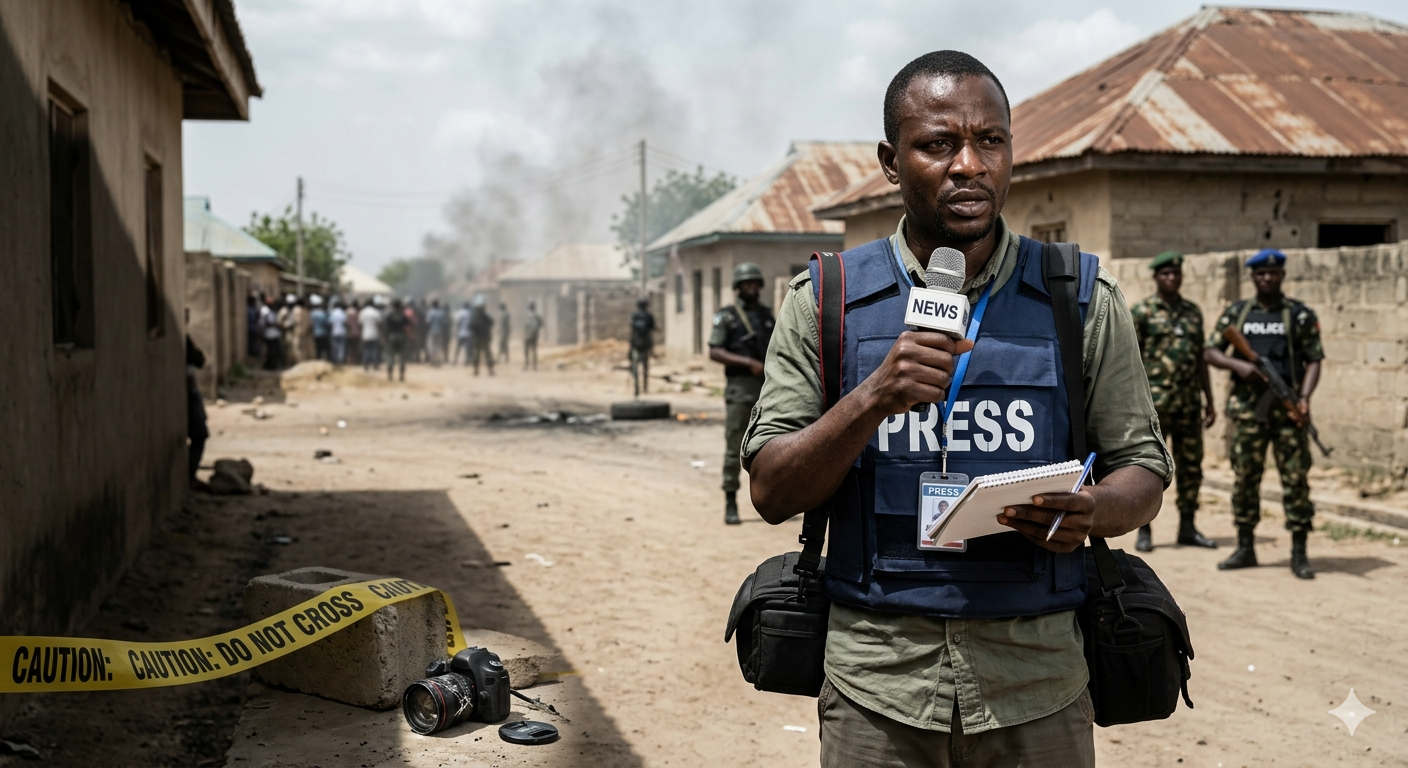

In this report, PALANG KASMI captures the concerns of journalists in Plateau State as they join the global community to mark the 2026 World Press Freedom Day, highlighting growing fears over impunity, shrinking press freedom, gender disparities and worsening working conditions within the media space
As the world marks the 2026 World Press Freedom Day (WPFD), journalists in Plateau State have called for an end to the intimidation, harassment and all forms of impunity they face while discharging their duties as members of the Fourth Estate of the Realm.
These journalists, representing both print and broadcast media stations, also urged government and public officials to strictly adhere to the provisions of the Freedom of Information (FOI) Act.
Furthermore, they tasked their employers with improving working conditions to enable them to carry out their professional duties effectively.
Proclaimed by the UN General Assembly in December 1993, World Press Freedom Day is celebrated globally on May 3 every year.
It serves as a reminder to governments, political office holders, security agencies, private organisations, stakeholders and citizens to respect their commitment to press freedom and to create a safe, conducive environment for journalism and media practice.
Hostile environment, shrinking press freedom
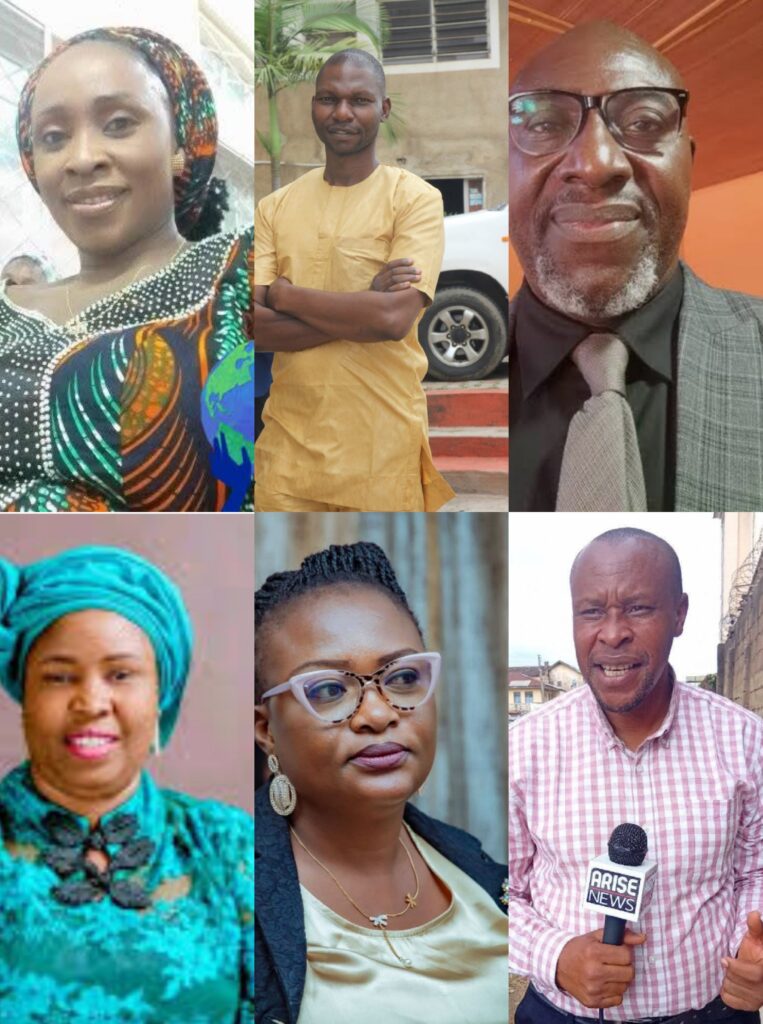
One of the leading voices in this call, Ayuku Pwaspo, Chairman of the Nigeria Union of Journalists (NUJ), Plateau State Council, stated that journalists in the state operated in a difficult environment. While acknowledging these hardships, she emphasised that as the state council chair, she remained committed to the ethical principles of the profession.
She insisted on expunging “bad eggs” and ensuring professionalism among practising journalists in the state, while also prioritising the protection and welfare of her members.
Pwaspo, a Director in the News Department of the Plateau Radio Television Corporation with over 20 years of experience, spent her career reporting on good governance, water, sanitation and hygiene.
She noted that over the years, she had developed a strong passion for truth, accountability, and giving a voice to the voiceless, while championing human rights, peacebuilding and social development.
She pointed out that the exercise of press freedom in the state and Nigeria as a whole often existed merely on paper.
She explained that while the Constitution mandated journalists to serve as societal watchdogs, the reality was far more restrictive.
“In practice, there are constraints, especially within the industry, in the form of harassment, intimidation, and sometimes the detention of journalists while carrying out their duties,” she said.
Pwaspo lamented that press freedom should allow journalists to work without hindrance, but the prevalence of impunity suggests that true press freedom has not yet been achieved.
The NUJ chairman pointed out that Plateau journalists had faced their own share of impunity, recounting an incident in 2025 where several journalists were arrested by the Department of State Services (DSS), only to be released following the intervention of the NUJ national body.
She also highlighted the unfriendly nature of the practising environment in Plateau State.
“Because of the security challenges and conflicts that Plateau State has been bedevilled with for decades, it makes it very difficult for journalists to practise, making reportage sensitive and sometimes very dangerous,” she said.
She further explained that pressure always came from multiple angles.
“There are pressures from our employers (especially those working in government media), the community, political parties and actors, and even security agencies—who are supposed to protect journalists but instead put pressure on them not to report certain stories.”
Despite the existence of the Freedom of Information Act, the Kwaspo observed that journalists still struggled to access information from government entities, individuals or public officers.
However, she noted that the NUJ continued to advocate for a free press and had collaborated with the government and security agencies to foster synergy and mutual trust.
She admitted that certain information is sometimes withheld in the name of “national security,” stating, “We don’t publish it due to its sensitivity.”
Pwaspo observed that many journalists now resort to self-censorship out of fear.
“Because of the environment in which we work, most journalists self-censor their reports out of fear of the unknown; they refrain from publishing or broadcasting conflict stories. Yet, despite these challenges, Plateau journalists have remained resilient and active,” she said.
“Press freedom in Plateau State is very fragile because of the ongoing security challenges; the environment demands a great deal of courage.”
She commended NUJ members for their resilience and called on government and citizens to view journalists as partners in progress.
She urged authorities to respect journalists and ensure they are not harassed or arrested for serving the national interest.
She also advised continuous training and engagement between journalists, security agencies, and Civil Society Organisations (CSOs).
Pwaspo attributed many challenges to misunderstandings between stakeholders and called for greater support for journalists.
Gender disparities, welfare challenges
Grace Gotip, Chairperson of the Nigeria Association of Women Journalists (NAWOJ), Plateau State Chapter, explained that women in the media still faced systemic discrimination in hiring and promotions.
Working with the Nigerian Television Authority (NTA) Jos Network Centre, she noted that female journalists were often doubted when handling “hard news” such as politics or crime.
Despite these setbacks, she urged women journalists to remain professional, observe safety protocols and produce reports that promote development and protect the vulnerable.
Yop Pam, who has worked with Radio Nigeria Highland FM Jos for 15 years, said WPFD offered an opportunity to reflect on the role of the media in society.
She said journalists continued to perform their duties despite limited resources and poor welfare packages. Pam, who is also Controller of News at the station, lamented the lack of working tools.
“Most times, staff get into thrift contributions to be able to purchase their working tools like recorder, laptop, and other gadgets,” she disclosed.
She recalled taking a bank loan at the start of her career to acquire basic equipment. She added that journalists often used personal funds to buy data for research and background information.
“These challenges hamper our work, even though we give our best,” she said.
She also lamented power challenges affecting broadcast output.
“Sometimes… after struggling and working hard to cover and write reports, the story may not go on air due to electricity challenges. This is disheartening,” she added.
Pam urged government to support FM stations across the country, noting that improved funding and logistics would ease their work. She admitted the situation was demoralising but encouraged journalists to remain committed.
Douglas Francis, an Arise News correspondent in Plateau State with over 15 years’ experience, said journalists were not enjoying full press freedom.
“Getting information at times is always a challenge… these challenges hinder press freedom,” he said. He called for stronger collaboration between government and the media.
Joel Gomiyar of The Lightbearer Newspaper said journalists still faced hostility despite the FOI Act. He recounted how a source was reprimanded after granting him an interview and how his FOI request to a federal ministry yielded no results after weeks of follow-up.
“These experiences highlight the frustration journalists face,” he said.
He recommended full implementation of the FOI Act and the establishment of FOI desk officers in government offices.
Rising attacks and calls for accountability
The Executive Director of the International Press Centre (IPC), Lanre Arogundade, said Nigerian journalists continue to engage in robust reporting despite challenges.
However, he noted that their efforts are often met with hostility.
“In 2025, IPC documented not less than 25 cases of attacks on journalists by state and non-state actors,” he said.
He urged journalists to remain committed to holding leaders accountable and to show solidarity when colleagues are attacked.
In a statement marking WPFD 2026, the IPC-SPJ Hub emphasised the role of a free media in promoting peace and democracy.
Arogundade disclosed that in 2025, 23 cases of attacks involving 28 journalists and two media organisations were recorded.
The attacks ranged from intimidation to unlawful arrests and physical assault.
Globally, the International Federation of Journalists (IFJ) reported that 128 journalists, including seven Nigerians, were killed in 2025.
The report also revealed that 533 journalists were imprisoned worldwide.
“128 journalists killed in a single year is not just a statistic; it is a global crisis,” said IFJ General Secretary Anthony Bellanger.
Meanwhile, a Media Rights Agenda (MRA) report identified the Nigeria Police Force as the worst offender in attacks against journalists, followed by the Department of State Services (DSS).
Lagos and Abuja recorded the highest number of incidents.
MRA also called on the Federal Government to comply with a February 16, 2024 Federal High Court judgment directing it to investigate and prosecute perpetrators of attacks against journalists.
MRA’s Programme Officer, Ayomide Eweje, said the state of media freedom in Nigeria remains deeply concerning.
“Over the past year, Nigeria has witnessed a pattern of intimidation, harassment, and arbitrary arrests,” she said.
She warned that misuse of laws such as the Cybercrime Act continues to stifle press freedom.
She also highlighted economic pressures on media organisations, which threaten editorial independence.
Eweje urged the government to create an enabling environment for independent journalism and fully implement the FOI Act.
She called on security agencies and political actors to respect journalists’ rights, especially during elections.
Saluting journalists across the country, she said their courage remains vital to democracy.
“Their commitment is indispensable to the protection of citizens’ rights to information,” she declared.