



By PETER DAMA
Today, I want to draw attention to an issue that quietly affects millions of Nigerians every day — not hunger alone, but what experts call hidden hunger, more broadly referred to as micronutrient deficiency.
Across our country, many families are able to eat, yet they are still not receiving the essential vitamins and minerals needed for healthy growth and development. Recent national studies, including the Nigeria Demographic and Health Survey and the National Food Consumption and Micronutrient Survey, show that malnutrition remains a serious public health concern.
Nearly four out of every ten Nigerian children are stunted due to poor nutrition. Many women and children suffer from iron deficiency anaemia, leading to weakness, poor learning outcomes among schoolchildren, reduced productivity among adults and increased risks during pregnancy. Deficiencies in essential micronutrients such as iron, zinc, folic acid and B vitamins continue to weaken immunity and contribute to illness across communities.
This challenge is not always visible. People may eat enough food, yet their bodies lack the nutrients required to thrive. That is why nutrition experts describe it as hidden hunger.
Understanding role of Fortified Rice
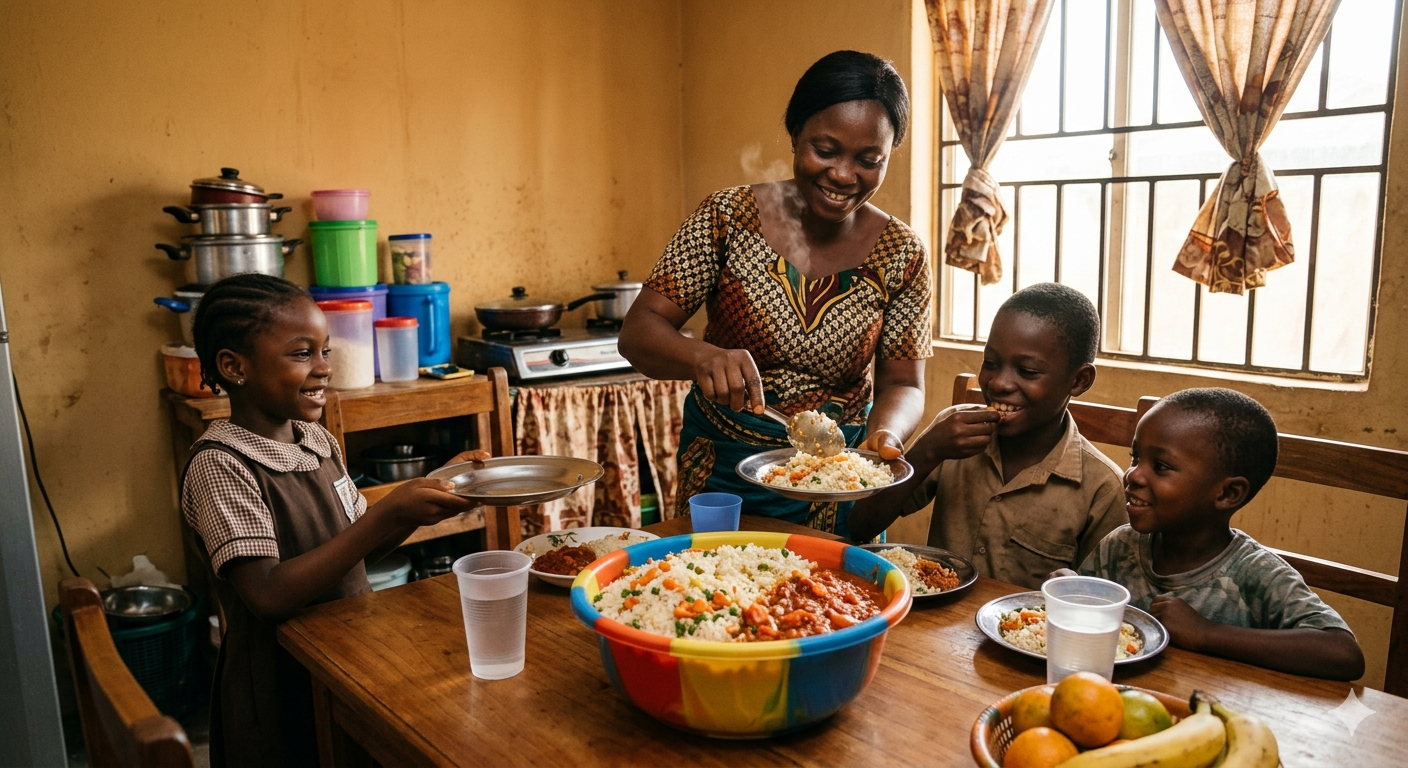
One of the most practical solutions already exists within a food Nigerians consume every day — rice. Rice has become a staple food across Nigeria. From urban centres to rural communities, rice is served in homes, schools, workplaces, celebrations, and relief programmes.
Because rice is so widely consumed, it presents a powerful opportunity to improve the nation’s nutrition without changing eating habits.
This is where fortified rice comes in. Fortified rice is regular rice enriched during processing with essential nutrients such as iron, zinc, folic acid and important vitamins including B12, B1, B3, and B6. The appearance, taste, aroma and cooking method remain the same. But the nutritional value is significantly improved.
Around the world, food fortification has proven to be one of the most effective and affordable ways to combat malnutrition. By adding vital micronutrients to commonly consumed foods, countries are able to improve public health at scale.
Nigeria now has a unique opportunity to take advantage of this solution.
As government and partners continue implementing food distribution programmes, school feeding initiatives, humanitarian assistance and social protection interventions, experts emphasise that the focus should move beyond simply providing food to ensuring that distributed food also delivers nutrition.
Integrating fortified rice into ongoing and future food distribution initiatives can help reduce anaemia among women, support healthy child growth, strengthen immunity and improve learning capacity among children. In essence, every bag of rice distributed can also serve as a nutrition intervention that protects families and strengthens national development.
Encouragingly, fortified rice is already available in Nigeria and is produced locally by leading rice mills across the country. Nigerians can access fortified rice supplied by the Lagos Rice Mill in Lagos State, Fursa Rice Mill in Kano State, WACOT Rice Mill in Kebbi State, Labana Rice Mill in Kebbi State and Gerawa Rice Mill in Kano State. These facilities demonstrate Nigeria’s growing ability to combine local agricultural production with improved nutritional outcomes.
Call for national leadership, awareness
However, achieving nationwide impact requires strong leadership and public awareness.
Therefore, there is a growing call for national champions to promote the consumption of fortified rice across households and public programmes. First Ladies in Nigeria have historically played powerful roles in advancing maternal and child health initiatives.
Today presents another opportunity for transformative leadership. The First Lady of Kebbi State is already leading in this direction, and this is worthy of emulation by other First Ladies across the remaining 35 states of the federation.
There is a respectful appeal to the First Lady of the Federal Republic of Nigeria, Senator Oluremi Tinubu, to lead a national advocacy movement encouraging the adoption and consumption of fortified rice as part of Nigeria’s strategy to combat malnutrition and food insecurity. Such leadership would help mobilise institutions, states and communities towards choosing healthier food options for Nigerian families.
This message is simple: Nigeria does not necessarily need to change what we eat. Instead, we can improve the nutritional quality of foods we already consume daily.
Fortified rice represents a practical, locally available, and scalable solution — one that feeds the nation while nourishing it at the same time.
A healthy population is the foundation of national productivity, economic growth, and sustainable development. By embracing fortified rice, Nigeria can move from food security to true nutritional security.
Let us nourish our families. Let us strengthen our communities. And let us build a healthier Nigeria — one meal at a time.
Dama is the National Chairman, Rice Millers Association of Nigeria (RIMAN) and Chairman, Board of Trustees, Competitive African Rice Forum for Sustainable Development, Nigeria Chapter