



By DANJUMA NAFUNJI
Nigeria’s rich natural environment holds treasures that extend beyond mere sustenance, offering profound contributions to health, wellness and economic empowerment. Among these overlooked gems is the desert date (Aduwa in Hausa), a resilient fruit native to the northern, Middle Belt, and southern zones of the country. For centuries, it has found its way into traditional medicine and daily life. Yet, its immense nutritional and therapeutic potential remains underappreciated.
Both the fruit and its cold-pressed oil embody a blend of nourishment and healing, from boosting metabolic health and supporting digestion to rejuvenating skin and strengthening hair. Exploring the desert date is not only a journey into indigenous knowledge but also a call to rediscover natural resources that can enhance human well-being and foster sustainable livelihoods.
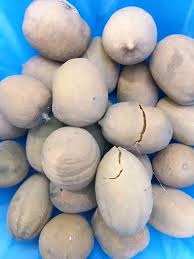
The desert date is a little-known nutrient-dense fruit widely found across Nigeria. For ages, it has been utilised in traditional medicine for its anti-inflammatory, antioxidant and antimicrobial properties. Both the fruit pulp and the cold-pressed seed oil offer significant health benefits for nutrition, skin, and overall wellness.
Nutritional, medicinal value
The fruit’s fleshy pulp is a nutritional powerhouse, containing about 62 per cent carbohydrates and 9 per cent protein, along with essential minerals such as potassium, phosphorus and calcium. This makes it an important high-energy food in communities where it is commonly consumed.
In both traditional and modern herbal practice, desert date shows strong promise for metabolic health. Extracts from the fruit are used as an oral hypoglycaemic agent to help reduce blood sugar levels. Research indicates that it can lower oxidative stress and inflammation in the pancreas, which may improve insulin secretion.
For digestive health, the fruit has long been used as a natural laxative to relieve constipation and treat other gastrointestinal issues. It is also valued for immune and liver support, as it contains saponins and flavonoids that help lower cholesterol and reduce liver fibrosis. In Wase Tofa traditional medicine, it is commonly used to manage jaundice and stomachache.
Skincare, hair benefits of the oil
The oil, extracted from the kernel through cold-pressing, is rich in essential fatty acids, including linoleic acid (omega-6) and oleic acid (omega-9), as well as vitamin E and polyphenols.
Desert date oil is an excellent deep moisturiser that penetrates the skin without clogging pores, making it non-comedogenic and suitable for dry, mature or acne-prone skin. Its antioxidant content helps combat free radicals, reduce fine lines and support collagen production, contributing to anti-ageing benefits.
The oil also possesses strong anti-inflammatory and wound-healing properties. It soothes conditions such as eczema, dermatitis and acne, and is traditionally used to ease muscle pain and rheumatism. By reinforcing the natural skin barrier, it provides protection against environmental damage.
For hair care, the oil is widely used to treat brittle, dry hair, helping to repair split ends, restore shine and improve overall hair strength.
Economic, traditional uses
Beyond food and skincare, other parts of the desert date tree are utilised traditionally. In some African regions, the root and bark serve as an herbal contraceptive, while the plant also has anthelmintic properties and is used to treat intestinal worms. In addition, communities in Chad and Cameroon produce soap using its bark, while its wood serves as a traditional source of fuel for rural households.
The desert date, widely known as ‘Aduwa’ in the core North, has an edible and nutritious pulp, though some parts of the plant require caution. The bark has strong purgative effects, while the seeds contain antinutrients and typically require processing before consumption.
Pharmacist Gbame Bala advises that individuals should consult a healthcare professional before using desert date for medicinal purposes, especially if they are pregnant, nursing or managing a medical condition.
According to Mrs Kacholom, a date seller, “Eating desert date, known as ‘Aduwa’ in the Hausa language, can truly make you feel happier. Sweet foods trigger the release of serotonin, a neurotransmitter that promotes feelings of well-being and relaxation.”
“It aids the digestive process and helps cleanse unwanted contents from our system,” Bulus Sakabu stated.
Mrs John Paulina, who trades in the fruit, explained her business experience, saying, “I buy ‘Aduwa’ (desert dates) at Kugiya Market in Bukuru. Sometimes the suppliers bring it to me, and if it gets peeled off, it depreciates, and I end up at a loss. It costs 700 naira per measure, and I package and sell each for 100 naira, making a gain of 800 to sometimes 1,000 naira. I have been doing this business for three years. At times I eat from it and help my grandchildren if needed.”
She noted that she also sells dried cooked sweet potatoes and other edible cooked tubers at Old Airport Junction, around Nana Office.
Reflecting on its health effects, she said, “It is a source of energy because it is sweet. It should not be taken by pregnant or nursing women because it is meant to cleanse the system, and it can affect breastfeeding babies.”
However, a medical practitioner, Yohanna Bako, offered a different perspective, stating, “It is rich in carbohydrates and contains a lesser amount of fat. The fruit is also beneficial in the management of diabetes. Nursing mothers also consume the product because the oil is used to treat headaches and it may improve lactation.”