



By Rev. JOHN OKWII
Beloved in Christ, grace and peace be multiplied unto you. This message comes not as an escape from reality, but as a divine interpretation of it. It speaks to a people marked by grief, displacement, insecurity and unanswered questions, yet still sustained by hope. In Plateau State and across Northern Nigeria, sorrow has become familiar, but so too has faith under fire.
We gather not as a defeated people, but as those who bear wounds in memory and tears in silence. Yet heaven speaks over us a word that cannot be silenced: “Behold, He cometh with clouds; and every eye shall see Him, and they also which pierced Him” (Revelation 1:7). This is not a gentle message. It is a prophetic declaration that injustice is not eternal, terror is not sovereign and death does not reign forever.
Christ is coming again.
The pierced Christ, human suffering
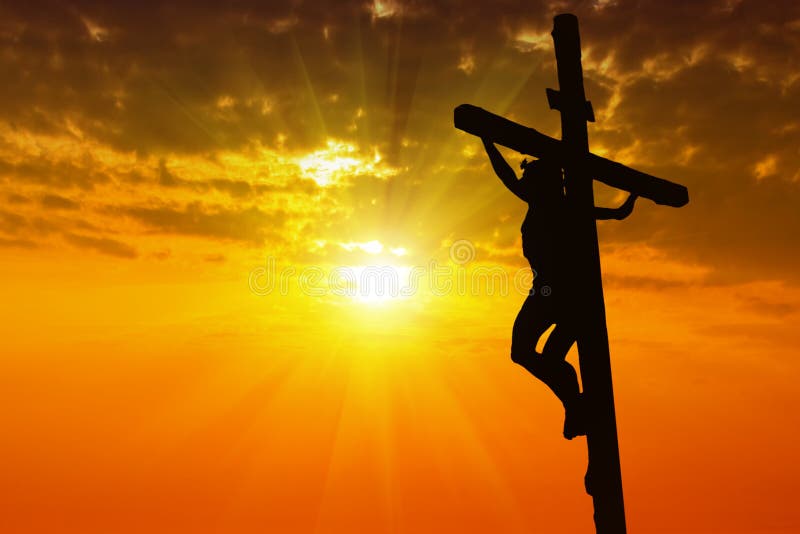
The phrase “they pierced Him” stands among the most painful declarations in Scripture. It fulfils prophecy: “They shall look upon me whom they have pierced, and they shall mourn” (Zechariah 12:10), and is confirmed in the Gospel account where a soldier pierced the side of Jesus and blood and water flowed (John 19:34).
The piercing of Christ was not only physical. It represented the convergence of political injustice, religious hypocrisy, human cruelty and systemic violence. He was pierced by the system, the crowd, the military and the sins of humanity. Yet, above all, He was pierced for redemption, not defeat.
“He was wounded for our transgressions… and with His stripes we are healed” (Isaiah 53:5). Christianity, therefore, does not deny pain. It reveals a God who entered it.
This same Christ understands the experience of Plateau State and Northern Nigeria. Villages have been attacked, homes destroyed, families displaced, lives lost and communities traumatised. Churches have been burned, pastors killed, women violated and children orphaned. In such realities, faith is tested and humanity is stretched.
Yet Christ is not distant. He is the pierced Messiah who declares, “I know thy works, and tribulation” (Revelation 2:9). The gospel does not promise absence of suffering, but assures that suffering will not determine destiny.
The North may be bleeding, but heaven is recording.
Hope, justice, the coming kingdom
Scripture declares that “every eye shall see Him” (Revelation 1:7). This is a statement of divine accountability. Hidden crimes will not remain hidden forever. Unpunished violence will not remain unanswered. Secret injustice will not remain buried.
There are killings without justice, victims without recognition and tears without attention. Yet nothing escapes the sight of God. “Vengeance is mine; I will repay, saith the Lord” (Romans 12:19). God is neither blind nor silent.
The text further warns that even “those who pierced Him” will see Him. This is a solemn reminder that perpetrators of violence, oppression and persecution will ultimately stand before divine judgment. The blood of the righteous is precious in God’s sight (Psalm 116:15), even when the world treats it lightly.
In that coming reign, Christ restores human dignity. Many displaced persons feel forgotten; widows feel invisible; orphans feel abandoned; survivors of violence carry shame. Yet Christ Himself was stripped, mocked and humiliated so that no one in pain could say, “Nobody understands my suffering.”
He is the healer of the brokenhearted and the restorer of the bruised (Luke 4:18). His mission is not only eternal salvation but present restoration.
The hope of the Church is anchored in this promise: “God shall wipe away all tears… and there shall be no more death, neither sorrow, nor crying” (Revelation 21:4). In that kingdom there will be no terrorism, no displacement, no massacre, no fear and no mourning. Only righteousness and peace will endure.
A call to the Church, nation
The pierced Christ calls the Church not only to comfort, but to transformation. In seasons of pain, believers may be tempted toward hatred, revenge, despair or moral compromise. Yet the coming King calls His people to holiness, unity and spiritual vigilance.
The church must, therefore, resist tribalism, division and bitterness. It must remain prayerful, compassionate, disciplined and courageous. Plateau does not need a noisy church. It needs a pure and faithful one.
Suffering must not produce spiritual decay but revival. The early church grew under persecution and the blood of the martyrs became seed for growth. Likewise, the present pain must birth renewed prayer, fasting, evangelism and devotion.
Hatred must also be rejected. Though the pain is real, hatred corrupts the soul and transforms victims into perpetrators. Christ Himself, even while pierced, prayed, “Father, forgive them; for they know not what they do” (Luke 23:34). This is not denial of justice but refusal to be consumed by evil.
The Church must also engage society wisely, demanding justice without abandoning love and speaking truth without losing compassion.
Displacement does not define the believer’s destiny. Earthly inheritance may be shaken, but eternal inheritance remains secure. “Here have we no continuing city, but we seek one to come” (Hebrews 13:14). What is lost on earth cannot cancel what is secured in Christ.
Ultimately, the pierced Christ is coming as King. Not in suffering, not in humility, but in glory. When He reigns, sorrow will cease, fear will end and peace will be complete.
Conclusion
The message remains clear: the pierced Christ is coming, and His coming will end the reign of terror. Those who suffer today are not forgotten. Those who weep are not abandoned. Those who remain faithful will not be disappointed.
The Church is called to endure without bitterness, to remain faithful without fear, and to hope without compromise. No force of darkness can erase the promise of Christ’s return.
“The pierced Christ is coming. The church will not die. Justice will rise. Love will endure. And Christ shall reign forever.”
Closing prayer
Lord Jesus Christ, the One who was pierced for our salvation, we bring before You the wounds of Plateau State and Northern Nigeria. Heal the brokenhearted, restore the displaced, comfort the widows, strengthen the orphans and bring peace to troubled communities. Expose wickedness, establish justice and release revival across this land. Above all, let Your church remain faithful until the end, until that day when every eye shall see You. In Your mighty name we pray. Amen.
“Now unto Him that is able to keep you from falling… be glory and majesty” (Jude 24–25).
Go in peace. Christ is coming.
Rev Prof John Brown Okwii, the
Serving Pastor, Assemblies of God Nigeria, Hwolshe Branch, opposite Model Academy, near Plateau State Polytechnic, Jos Campus, along Yakubu Gowon Way, writes via johnbrownokwii@gmail.com