



By Joshua Apollos Maton
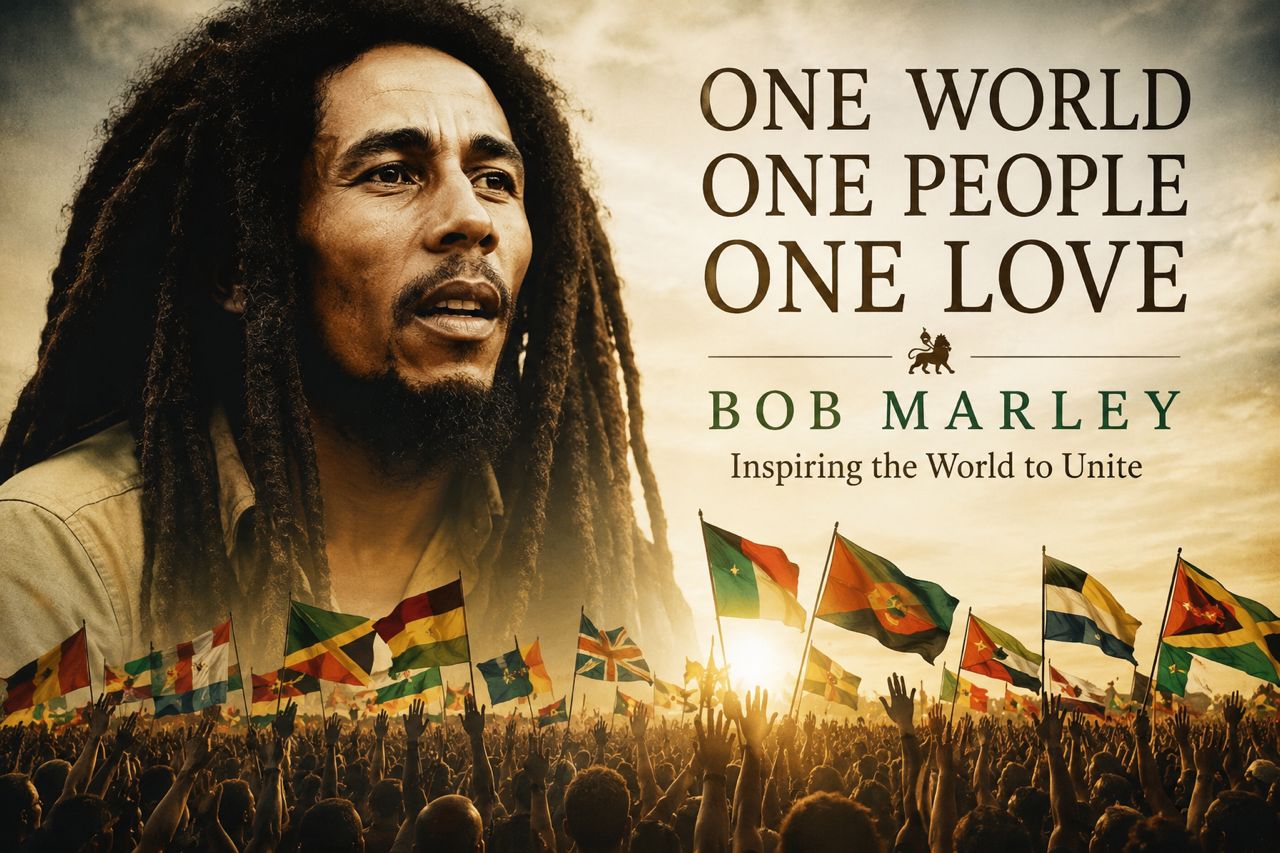
Across the world today, May 11, 2026, fans and cultural communities are commemorating Bob Marley Day, reflecting on the enduring influence of Bob Marley—a figure whose music continues to shape conversations around unity, resistance, and social consciousness decades after his death.
Born on February 6, 1945, in Nine Mile, Jamaica, Marley rose from modest beginnings to become the global face of reggae music and one of the most influential cultural voices of the 20th century. Through timeless songs such as “One Love,” “No Woman, No Cry,” and “Redemption Song,” he projected messages that blended spirituality, social justice, and hope.
More than four decades after his passing on May 11, 1981, Marley’s music remains widely celebrated and continues to resonate across generations. Rooted in Rastafarian philosophy, his work promoted African unity, spiritual awareness, and resistance to oppression—ideas that have outlived him and remain relevant in contemporary global discourse.
global influence
In many parts of the world, Bob Marley Day is being marked through concerts, cultural festivals, radio features, and community gatherings. While observances vary across countries and fan communities, the day has become a symbolic moment to reflect on Marley’s contribution to music and society.
His influence cuts across genres and generations. From reggae to hip-hop, afrobeat, and pop, artists continue to draw inspiration from his sound and message. Themes of identity, justice, and resilience remain central in modern music, reflecting his lasting imprint on global culture.
impact in nigeria
In Nigeria, Marley’s legacy holds a strong cultural presence. Since the 1970s and 1980s, his music has influenced both the sound and consciousness of the country’s music scene and youth culture.
Beyond music, Marley’s philosophy of “One Love” continues to inspire global calls for peace and unity. His songs are frequently revisited during moments of protest, reflection, and cultural celebration, reinforcing their relevance in both historical and modern contexts.
Artists such as Majek Fashek—widely known as “The Rainmaker”—carried forward reggae’s socially conscious tradition, drawing inspiration from Marley’s style and messaging. In contemporary Nigerian music, elements of reggae continue to surface, blending with afrobeat and other indigenous sounds to address social and political realities.
Across cities such as Lagos and Abuja, tributes marking Bob Marley Day include music playlists, radio specials, and online conversations. For many young Nigerians, his music remains a reference point for discussions on justice, equality, and empowerment.
a timeless message
As Bob Marley Day 2026 is observed worldwide, his legacy stands not merely as history, but as a continuing influence on music, culture, and social thought.
Indeed, Bob Marley remains more than a musician—he endures as a global symbol of voice, resistance, and unity.