




By PALANG KASMI
In a bid to attain financial independence and sustainable economic growth, women from various cooperative societies across Plateau State have participated in a one-day training workshop aimed at equipping them with vital investment and financial management skills.
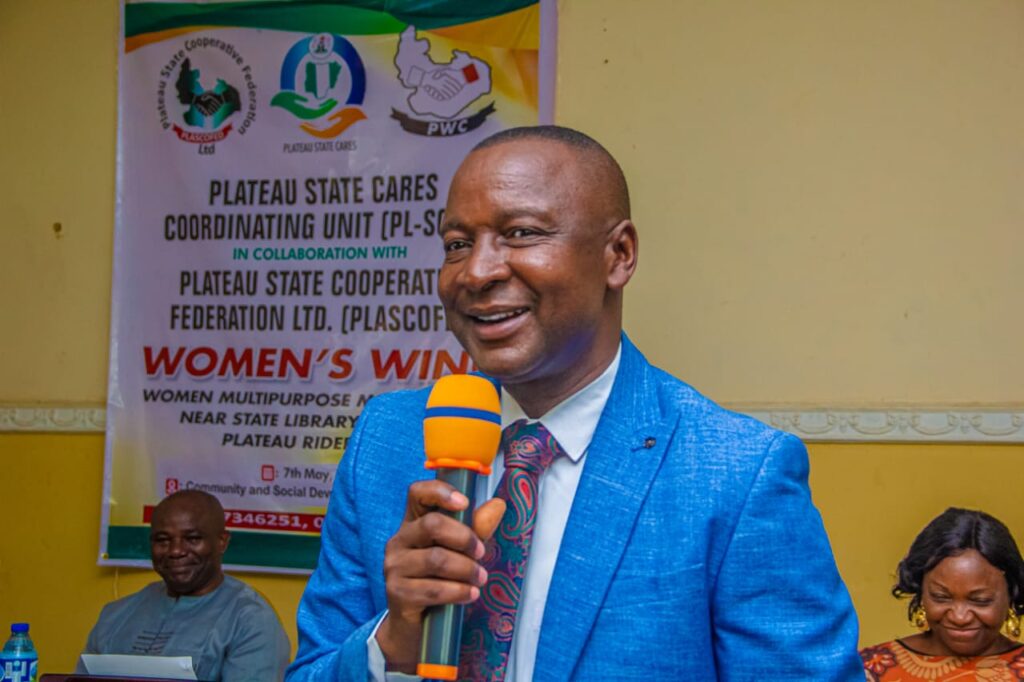
The intensive training, held at the Community and Social Development Agency Hall along Rayfield Road, Jos, on May 7, 2026, was jointly organised by the Plateau State CARES Coordinating Unit (PL-SCCU) in collaboration with the Women’s Wing of the Plateau State Cooperative Federation Ltd. (PLASCOFED).
Over 170 women drawn from the women’s wings of cooperative societies across the state attended the event.
Speaking at the opening of the workshop, the Director-General of NG-CARES, Dr. Haggai Gutap, commended the participants for taking bold steps toward economic empowerment and self-reliance.
He noted that the economy cannot grow unless individuals with willingness, commitment and capacity devote themselves to driving development.
Dr. Gutap stated that due to the commitment demonstrated by both the facilitators and participants, his organisation is willing to establish structures that would accommodate PLASCOFED in future empowerment programmes.
“I know the power of women in driving positive change,” Gutap said.
“I have had the privilege of working with women across Africa—in Rwanda and Kenya—and I have seen how they have transformed their livelihoods. I believe that if we leverage this platform, we can change the narrative, following the popular saying: ‘If you empower a woman, you empower the entire society.’”
He further stressed that women are often more disciplined in managing resources than men, adding that part of NG-CARES’ mission is to create an economy that generates employment and ensures women have a voice within their communities.
The DG promised to work with PLASCOFED through the organisation’s delivery platforms in order to tailor interventions to the specific needs of women cooperators.
He also advised participants to explore food value addition as a means of reducing poverty and post-harvest losses while maximising market opportunities on the Plateau.
Collaboration for economic growth
The importance of collaboration and collective investment through cooperatives formed a major part of the discussions at the workshop.
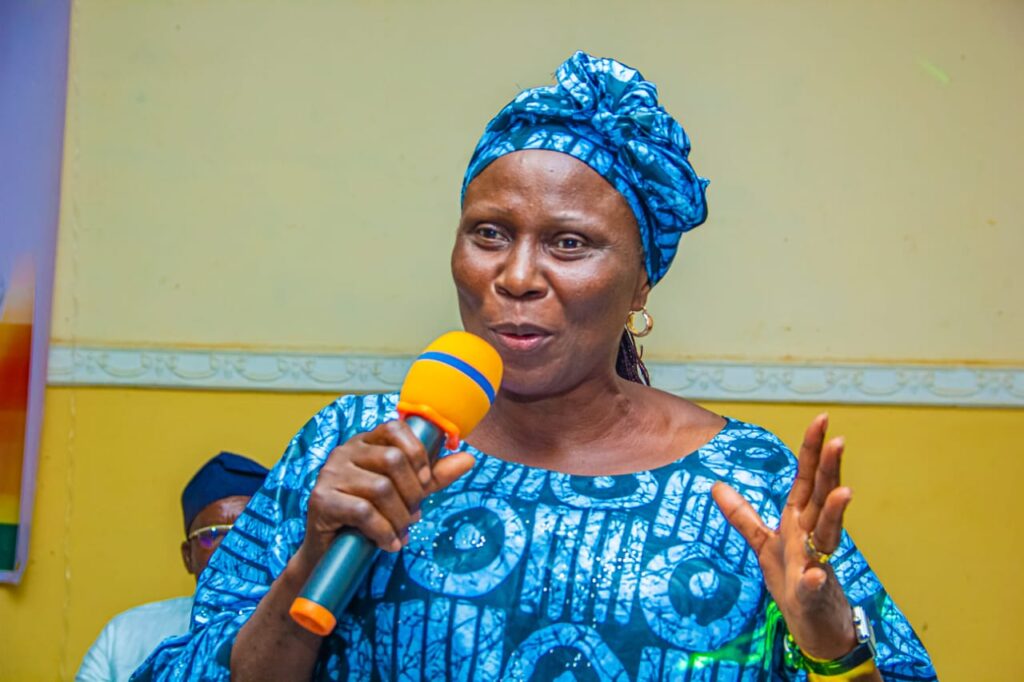
The State Chairperson of PLASCOFED, Mrs. Patricia Agabus, represented by the Vice Chairperson, Mrs. Jennifer Yarima, described the workshop as more than just a gathering, saying it was a celebration of resilience, unity and shared purpose among women determined to improve their lives and communities.
She appreciated Governor Caleb Mutfwang of Plateau State for his efforts in economically empowering women, noting that such interventions help eradicate poverty and promote sustainable economic growth.
“By investing in women’s socio-economic capacity, the government is strengthening household incomes, reducing vulnerability, and promoting inclusive development,” she said.
Describing women as agents of change, she added that the collaboration with NG-CARES reflects a shared commitment to grassroots empowerment.
“Many dreams will become reality, and homes will experience positive change,” she added.
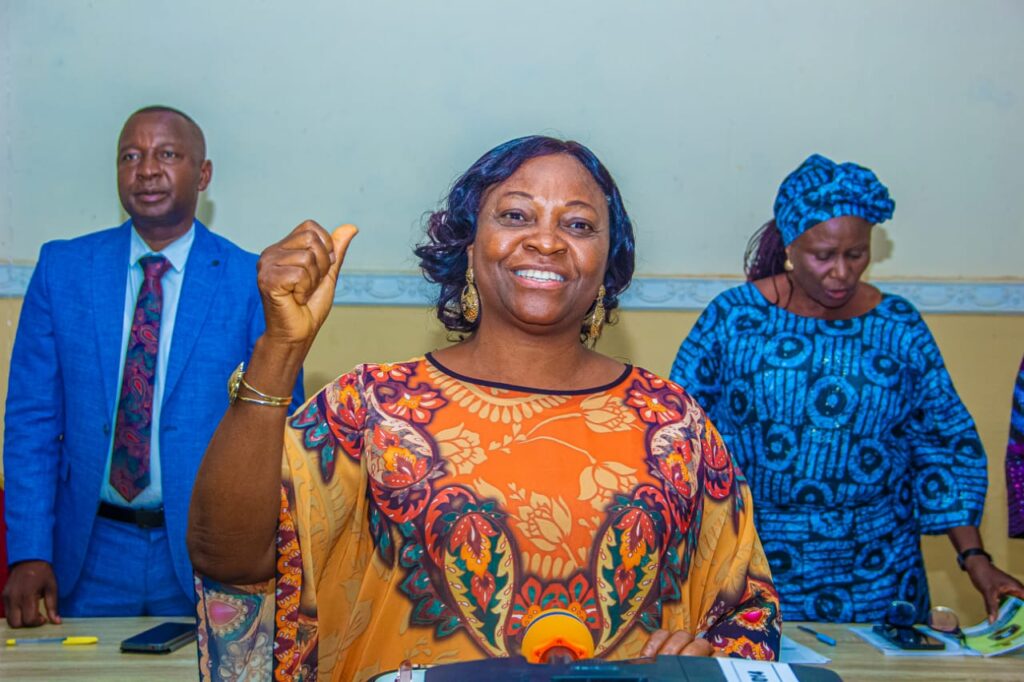
In a goodwill message, the first female National President of the Cooperative Federation of Nigeria, Mrs. Hanatu Meshack, urged the participants to work closely together to achieve economic growth and stability.
“We all need one another. The more we stand together, the better we can hold each other’s hands and move forward. I am happy that we, as women, are helping each other achieve great things together,” she stated.
She reminded the women that they are “economic citizens” and not merely beneficiaries, urging them to make meaningful contributions toward the growth and sustainability of their cooperative societies.
The National President also advised participants to take advantage of the training opportunity to transform their lives, stressing the need for deliberate participation in economic activities and informed decision-making.
Resource person and consultant, Mr. Alfred Baso, delivered presentations on ‘Understanding Cooperative Principles and Values’ as well as ‘Roles and Responsibilities in Cooperatives’.
He emphasised the importance of savings, accountability and collaboration among like-minded individuals.
Mr. Baso described cooperative societies as the “engine room for development,” explaining that members have access to loans at lower interest rates compared to commercial banks.
He listed some of the advantages of cooperatives to include lower prices for goods, improved standards of living and mutual financial support.
However, he warned against challenges such as embezzlement, illiteracy, political interference and poor loan recovery systems.
He stressed the need for proper documentation, accountability, and visionary leadership, while encouraging cooperatives to invest in profitable ventures such as ginger farming, poultry and livestock production.
“We are the agents of our own economic emancipation,” he said.
Investing in agriculture and financial discipline
Mrs. Martha Tapgun, a consultant and retired director, urged the women to ensure that their cooperative societies are properly registered and recognised.
As Chairperson of Capricorn and a farmer, she advised leaders of cooperative societies to remain diligent, transparent and trustworthy, warning that once trust is lost, a cooperative is likely to collapse.
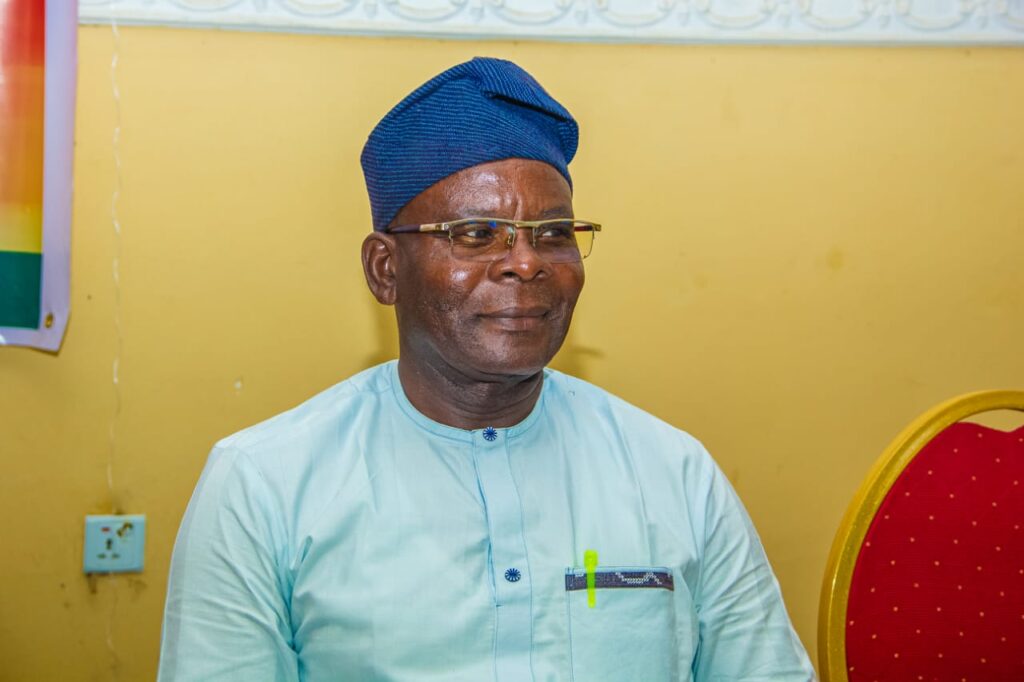

Speaking on opportunities in poultry farming, poultry expert Mr. Julius Emwerem explained that starting a poultry business requires a viable business model, passion and startup capital, which members can access through cooperative loans.
He described poultry farming as a lucrative venture despite challenges such as fluctuating prices, diseases and inadequate electricity and water supply.
He recommended membership of the Poultry Association of Nigeria (PAN) and advised farmers to adopt alternative power sources such as solar energy and generators to address operational challenges.
Mr. Emwerem also reminded participants to obey cooperative bylaws and repay loans promptly.
“Unlike banks, the collateral for cooperative loans is your membership,” he stated.
Also speaking during the workshop, Mrs. Jerusha Chiamang delivered presentations on ‘Financial Management’ and ‘Saving Culture and Discipline’.
She explained that prudent financial management enables individuals to plan effectively for the future while avoiding debt traps and unnecessary financial pressure.
