



By PALANG KASMI
As the world marked the International Day of the Boy Child with the theme, ‘Flourish and Thrive: Investing in Boys for Stronger Families and Communities’, a non-profit organisation in Plateau State has taken its advocacy to secondary schools in Mangu Local Government Area to promote positive masculinity among boys.
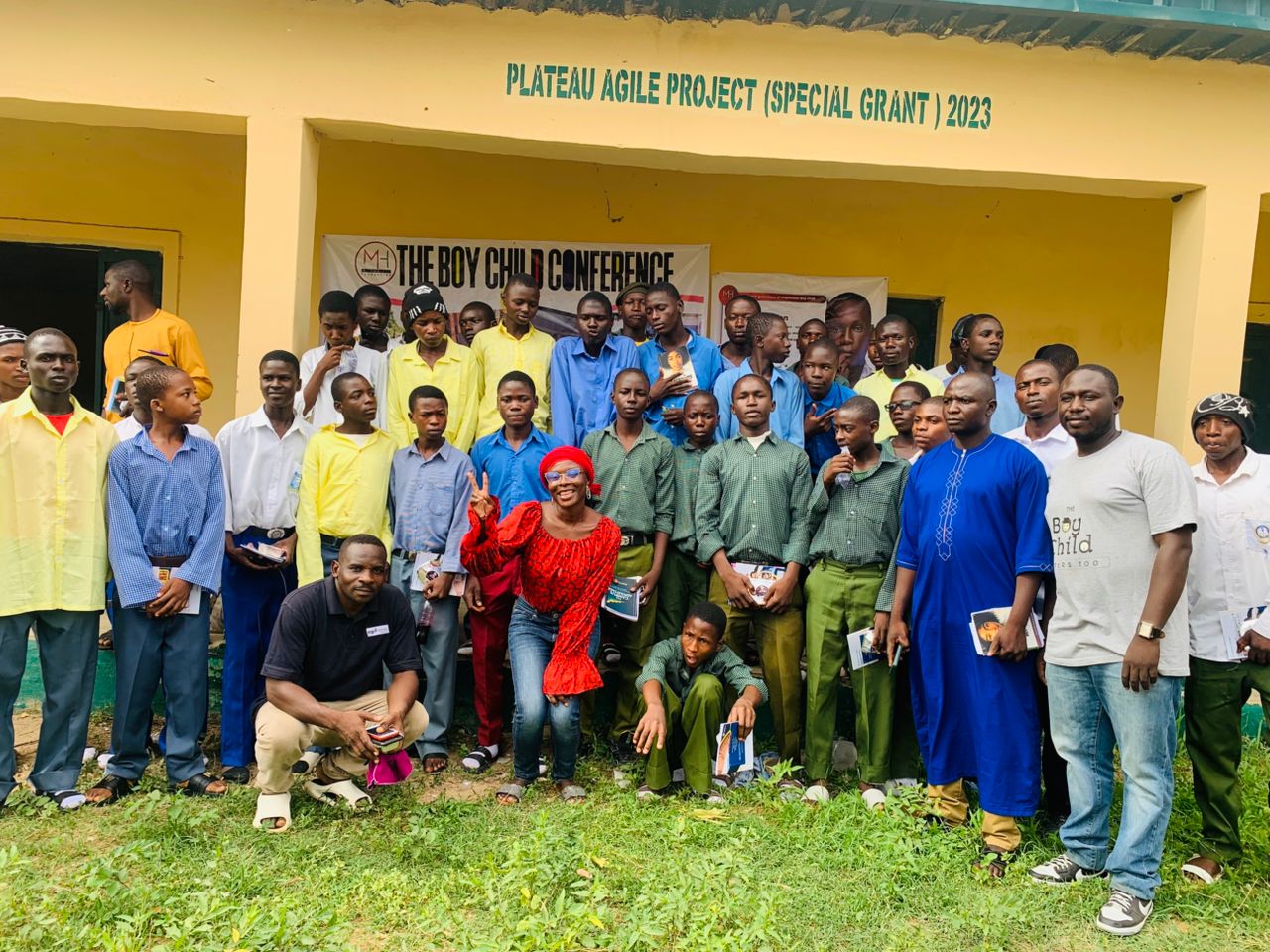
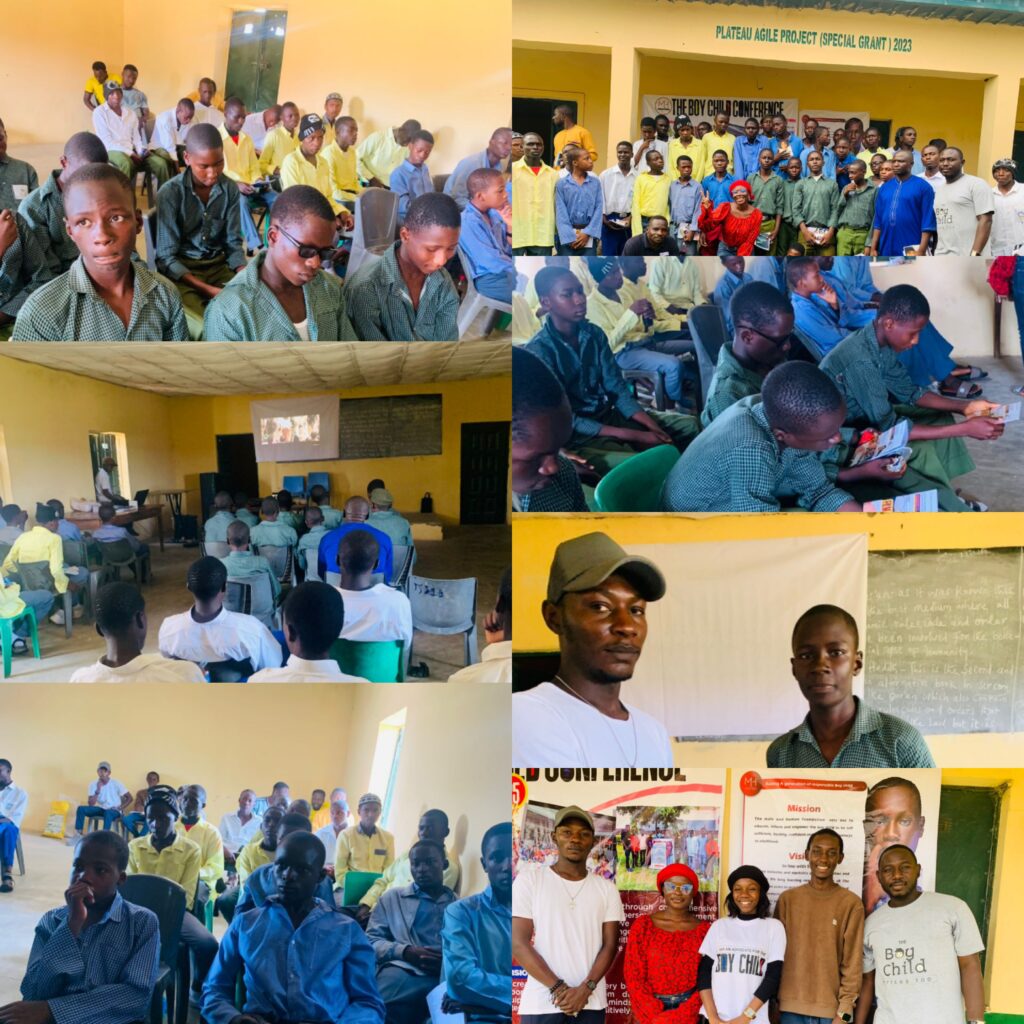
The Male and Human Foundation organised a one-day mentoring campaign across six secondary schools, bringing together boys from different institutions for an interactive forum held at Government Secondary School (GSS) Bwalbwang, Gindiri.
The participating schools included Hakuri Memorial Academy, Miracle Vine School Gindiri, GSS Bwalbwang, Gindiri, Pepsi Spring Board Academy, Hamidu Ampun Memorial and COCIN Comprehensive College.
The International Day of the Boy Child, established in 2018 and observed annually on May 16, seeks to highlight the social, emotional and educational challenges facing boys globally while promoting positive male role models and healthy emotional development.
Focus on mentorship, positive masculinity
Speaking on the initiative, the Founder of The Male and Human Foundation, Ms Cordelia Pam, explained that the advocacy was aimed at addressing long-standing neglect in the upbringing of boys.
Pam said the 2026 edition of the campaign was taken to Mangu to engage boys beyond discussions by exposing them to practical learning, including a joint movie session where they watched The Boy Who Harnessed the Wind.
She added that the programme also featured “Speed Mentorship” sessions involving older male role models, who shared experiences on overcoming challenges and personal development.
According to her, the foundation also promoted gender balance by distributing self-help books titled Becoming Her to the boys for onward sharing with girls, alongside exercise books donated through Campus Mission and Leadership Initiatives (CMLi).
Pam lamented that the boy-child continued to face stereotypes and emotional neglect, warning that failure to address the situation could have long-term consequences for society.
She said, “His emotional well-being is not even a conversation, his growth is left for him to handle, and his hygiene has been stereotyped with the excuse that ‘boys are generally dirty.’”
She further disclosed that about 62 participants, including 47 boys aged between 15 and 20, took part in the 2026 forum.
Pam also called on parents, guardians and stakeholders to invest in mentoring systems that support boys through adolescence into adulthood.
Call for stronger mentorship, awareness
Pam expressed satisfaction with the success of the programme, noting that the boys actively engaged through discussions, business idea sharing and interactive sessions.
However, she lamented the low level of awareness surrounding the International Day of the Boy Child compared to that of the girl child, attributing it to deep-rooted stereotypes and limited advocacy support.
She called for increased sensitisation, stronger mentorship structures and greater involvement of families and community leaders in shaping the lives of boys.
Pam urged stakeholders to empower boys with entrepreneurial and life skills, warning that neglecting their development could pose future social risks.
Why boy child mentorship is critical
Experts and advocacy groups continue to emphasise the importance of investing in boys’ emotional and psychological development as they transition into adulthood.
Findings from international organisations such as UNESCO indicate that boys are significantly more likely to drop out of school than girls, while World Health Organisation (WHO) reports highlight higher suicide risks among males coupled with lower emotional support systems.
UNICEF estimates that millions of boys globally live with untreated mental health conditions, reinforcing the need for structured mentorship and supportive environments.
Similarly, studies from the United States Census Bureau point to the absence of mentorship, particularly in fatherless homes, as a major factor influencing negative life outcomes among young males.
These findings underscore the growing call for targeted interventions that promote positive masculinity, emotional intelligence and responsible leadership among boys.