



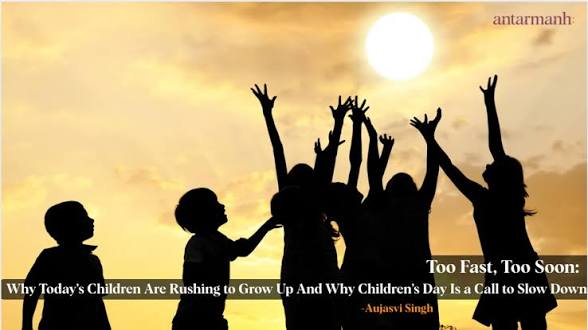
In this feature marking this year’s children’s day celebrations, USHUKON DANIEL & PESHEL NAANKANG examine the growing concerns among parents, teachers and community leaders over the increasing exposure of teenagers to adult lifestyles, risky behaviour and social pressures, raising fears that childhood is disappearing too quickly in many Nigerian communities
In many communities across Nigeria, parents are becoming increasingly worried as stories emerge of teenagers engaging in adult activities far earlier than expected. From secret relationships to risky decisions made outside the home, many believe childhood is disappearing too quickly.
Recently, concerns deepened in parts of Anambra State after reports surfaced that some teenagers were allegedly seen attempting to rent a hotel room to spend time together away from adult supervision. Although such incidents are often discussed quietly within families and neighbourhoods, many people see them as signs of a wider social challenge affecting young people across the country.
“I was shocked when I heard what these children were doing,” said Joy William. “At their age, we were focused on school and helping our parents at home. Now they are exposed to too much, too early.”
In another incident, a mother who checked her teenage son’s phone discovered several photographs stored on the device that left her deeply concerned. The discovery further highlighted growing worries about the kind of content many young people can easily access through smartphones and the internet.
There have also been reports of teenagers sneaking out at night without their parents’ knowledge, attending parties where alcohol and drugs are present and becoming involved in relationships they are emotionally too young to handle. In some situations, parents only become aware of what their children have been involved in after serious consequences have already occurred.
Teachers say the behaviour of some students has changed significantly over the years. According to some educators, issues such as disrespect, bullying, poor concentration in class, and obsession with social media attention are becoming increasingly common among teenagers.
“Some students spend more time thinking about online trends than their studies,” said a secondary school teacher who asked not to be named. “Many children now want fast lifestyles without understanding the consequences.”
Influence of social media, weakening family bonds
Many parents and teachers blame social media for influencing teenage behaviour. With constant exposure to online trends and pressure to appear “mature,” some teenagers are beginning to imitate lifestyles they may not fully understand.
Nantap Yakubu believes smartphones have become both a blessing and a challenge. According to her, while technology has improved communication and learning opportunities, unrestricted internet access has also exposed many children to harmful content at very young ages.
Another major concern raised by parents is the gradual decline in parental supervision. In many homes, parents spend long hours trying to earn a living, leaving children with limited guidance and emotional support.
“We are trying to provide for them, but in the process, we may be losing them,” said Amos Magaji. “Most parents hardly have time for their children anymore. Everyone is busy, forgetting that what matters most is training a child in the right way.”
Peer pressure has also become a powerful influence on teenagers. Many young people feel compelled to fit in with friends already experimenting with risky behaviour, while the desire for acceptance often pushes them into situations they are emotionally unprepared for.
Child psychologists warn that children who grow up too quickly may later struggle with emotional challenges, including anxiety, depression, poor decision-making and low self-esteem. According to experts, some teenagers are silently carrying emotional burdens they do not know how to express.
Education experts and parents insist the issue goes beyond the children themselves. They point to changing cultural values, increased exposure to adult content, poor communication within families and weakening community discipline as major factors contributing to the problem.
Cultural concerns, changing values
There are also growing concerns about the influence of music, movies and celebrity culture on young people. Some teenagers now measure success and popularity through social media attention, expensive lifestyles, or romantic experiences rather than academic achievement and personal growth.
In Nigeria, the trend of inappropriate dressing among teenagers has also become a source of concern for many parents and community leaders. The widespread adoption of certain fashion styles by teenagers is viewed by some as evidence of growing external cultural influence and a departure from traditional Nigerian values.
This trend has raised concerns regarding moral standards and what many describe as the gradual erosion of cultural identity and values.
In some schools, teachers said cases involving bullying and indiscipline among students are becoming more frequent. Religious leaders have equally expressed concern that moral guidance within homes is steadily declining.
Search for lasting solutions
Many stakeholders believe rebuilding strong communication between parents and children remains one of the most important solutions to the growing problem.
Uhanan Alheri encouraged parents to create safe spaces where children can openly discuss relationships, emotions and peer pressure without fear of harsh judgement.
“There was a time parents and children could talk freely,” said Jamila Idris. “Now, many children hide things because they think their parents will not understand them.”
Parents are also being advised to monitor the type of content their children consume online and pay closer attention to sudden behavioural changes. Experts further recommend that discipline should be balanced with understanding, guidance and emotional support.
Schools, religious institutions and community leaders are equally being urged to play stronger roles in guiding teenagers and teaching them responsibility, discipline and the consequences of risky behaviour.
Observers said awareness programmes targeting both parents and teenagers could help families better understand the challenges confronting young people today. Some communities have also suggested organising counselling sessions, mentorship programmes and youth activities to keep teenagers positively engaged.
As society continues to change rapidly, many fear that children are being pushed into adulthood before they are mentally and emotionally prepared for it.
For parents, teachers and community leaders, the growing concern is not only about what children are doing today, but also about what kind of future awaits a generation growing up under intense social pressure.
Raising children in today’s world, many believe, has become more complicated than ever before. For countless families, the challenge is no longer limited to providing food, shelter, and education, but also protecting children in an increasingly complex and rapidly changing society.