



By USHUKON DANIEL
In today’s world where instant gratification is only a click away, addiction has evolved beyond the traditional understanding of drugs and alcohol. It now exists in subtle, everyday habits that quietly shape lifestyles, influence behaviour and often go unnoticed until they begin to cause real harm.
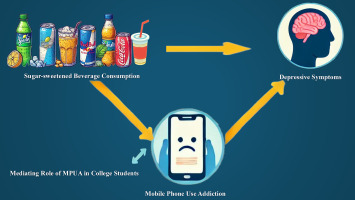
From the sugary pull of soft drinks to the endless scroll of social media feeds, modern life is filled with triggers that can easily develop into dependency.
Addiction is no longer limited to substances alone. It increasingly appears in behaviours that feel harmless at first but gradually become difficult to control. Food addiction is one such growing concern.
Many individuals find themselves repeatedly turning to comfort foods or sugary snacks as a way of coping with stress, boredom, or emotional fatigue. Over time, this pattern can contribute to weight gain, health complications and a cycle of guilt that becomes difficult to escape.
Soft drinks present another silent but powerful form of dependence. Packed with sugar and caffeine, they offer a temporary boost of energy but often leave the body craving more. Research has linked excessive consumption of sugary beverages to obesity, diabetes and heart-related diseases.
Yet, despite these known risks, many people struggle to reduce their intake, often prioritising convenience and taste over long-term health.
Beyond food and drink, modern lifestyle habits have also created new forms of behavioural addiction. The fast-paced nature of daily life encourages prolonged screen time, binge-watching and reduced physical activity.
These patterns, though socially accepted, can gradually erode physical fitness and mental balance, leading to fatigue, reduced productivity and poor overall well-being.
Social media, in particular, stands out as one of the most influential drivers of behavioural addiction. While it provides connection and communication, it also fosters comparison, anxiety and a constant need for validation.
Many users find themselves repeatedly checking notifications, scrolling endlessly, and measuring their worth against curated online lifestyles, often without realising the emotional toll it takes.
The impact of these modern addictions extends far beyond individual habits. They can strain relationships, disrupt personal growth and significantly reduce quality of life. In many cases, individuals do not recognise the extent of their dependency until it begins to interfere with daily routines, health and emotional stability.
Breaking free begins with awareness. Recognising these patterns is the first and most important step toward change.
Setting limits on screen time, making conscious food choices and intentionally building healthier routines can help restore balance. Equally important is seeking support from friends, family or professionals when needed.
Addiction today is no longer a distant or rare condition. It is deeply woven into everyday living.
However, with deliberate effort and consistent self-control, it is possible to regain balance, rebuild healthier habits and reclaim overall well-being—one step at a time.
Nice piece