



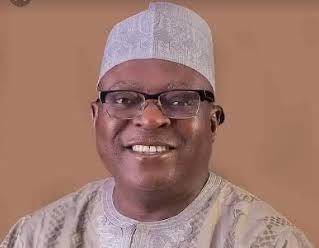
By DAN MANJANG
Nigeria’s democratic journey has continued to evolve since the return to civilian rule in 1999. Every election cycle comes with renewed expectations, political realignments, promises, criticisms and hopes for a better nation.
As the country gradually counts down to May 29, 2027 — a date expected to usher in another phase of democratic transition — citizens, political actors, civil society organisations and the international community are already paying close attention to developments across the federation.
The countdown is not merely about another inauguration day. It symbolises the endurance of democracy, the accountability of leadership and the aspirations of over two hundred million Nigerians seeking peace, prosperity and national unity.
May 29 has become a symbolic date in Nigeria’s political history. It represents the formal transfer of power from one administration to another and reminds Nigerians of the importance of constitutional governance.
As the nation moves toward May 29, 2027, conversations are increasingly centred on governance, economic reforms, security challenges, infrastructure development, youth empowerment and the future direction of the country.
Nigerians are becoming more politically conscious and participatory, understanding that elections are not merely events but processes that shape the destiny of generations.
Political realignments ahead of 2027
The road to 2027 is already witnessing strategic political calculations among parties and stakeholders. Political parties are reassessing their strengths and weaknesses while evaluating performances at federal, state and local government levels.
Alliances are being formed quietly behind the scenes, consultations are ongoing and political gladiators are repositioning themselves for relevance.
The ruling party seeks to consolidate power by defending its record in office, while opposition parties are strategising on how to convince Nigerians that they can provide alternative leadership capable of addressing national concerns more effectively.
One major issue likely to dominate the countdown to May 29, 2027 is the economy. Nigerians continue to grapple with inflation, unemployment, exchange rate instability and rising costs of living. Citizens are eager to see practical economic policies that can stimulate local production, create jobs, stabilise the currency and improve purchasing power.
For many families, economic realities determine political loyalty and voting behaviour. Political aspirants and parties will therefore be compelled to present realistic economic blueprints rather than mere campaign slogans. Nigerians are increasingly demanding measurable results and transparent governance.
Security will also remain a critical factor in the political discourse leading to 2027. Across various regions of the country, issues such as insurgency, banditry, kidnapping, communal conflicts and other criminal activities continue to challenge national stability. Citizens expect governments at all levels to prioritise security and protect lives and property.
The success or failure of current security strategies may significantly influence public perception ahead of the next general elections. Many Nigerians believe that sustainable peace is essential for economic growth, national integration and democratic consolidation.
Youth, technology, the media
Another significant aspect of the countdown to May 29, 2027 is the growing influence of young people in governance and political participation. Nigeria has a youthful population and many young citizens are becoming more vocal about leadership, accountability and national development. Social media has amplified political awareness and citizen engagement in unprecedented ways.
Young people are no longer satisfied with being mere spectators. They increasingly seek active involvement in decision-making processes. The ‘Not Too Young To Run’ movement and the emergence of younger political aspirants have further demonstrated the desire for generational inclusion in governance.
Technology is also expected to play a major role in shaping the 2027 elections. The use of digital platforms for campaigns, voter education, mobilisation and election monitoring is likely to increase. Innovations introduced by the Independent National Electoral Commission (INEC) in recent elections have raised expectations for more transparent and credible electoral processes.
Nigerians hope that technology will continue to minimise electoral malpractice, improve voter confidence and strengthen democratic institutions. However, concerns regarding misinformation, cyber manipulation and fake news will also require careful attention from both regulators and citizens.
The media will remain a powerful force during the countdown period. Traditional and new media platforms will shape narratives, influence public opinion and scrutinise political actors. Journalists, commentators and analysts will continue to interrogate policies, campaign promises and governance records.
In a democratic society, the media serves as the watchdog of the people, ensuring that leaders remain accountable. As 2027 approaches, responsible journalism and fact-based reporting will become increasingly important in preventing misinformation and maintaining national stability.
Democracy, unity, national responsibility
Ethnic and religious considerations may once again surface prominently in political discussions leading to 2027. Nigeria’s diversity remains both a strength and a challenge. Political leaders must therefore demonstrate commitment to inclusivity, fairness and national cohesion.
Citizens are increasingly calling for leadership that transcends divisive sentiments and focuses on competence, integrity, and patriotism. The future of Nigeria depends greatly on leaders who can unite rather than divide the populace. Political campaigns rooted in hatred, tribalism or religious intolerance could threaten national harmony and democratic progress.
The judiciary and electoral institutions will equally come under intense public scrutiny. Nigerians expect these institutions to remain impartial, courageous and committed to justice. Electoral disputes are inevitable in democratic systems. But public confidence depends on how fairly and transparently such disputes are resolved.
Strengthening democratic institutions remains essential for peaceful transitions and sustainable governance. The credibility of the electoral process will significantly determine public trust in the outcome of the 2027 elections.
As May 29, 2027 draws nearer, Nigerians must recognise that democracy is a collective responsibility. Good governance cannot thrive without active citizen participation, civic responsibility, and patriotism. Citizens must hold leaders accountable while also contributing positively to nation-building.
Elections should not be seen merely as contests for power but as opportunities to shape the nation’s future. Political leaders, religious institutions, traditional rulers, civil society groups and the youth all have vital roles to play in ensuring peaceful and credible democratic processes.
Ultimately, the countdown to May 29, 2027 is more than a political timetable. It is a reflection of Nigeria’s democratic resilience and aspirations. Despite numerous challenges, the nation continues to move forward with hope and determination.
Nigerians desire a country where justice prevails, opportunities abound, security is guaranteed and leadership is driven by service rather than personal gain. The road ahead may be challenging. But with unity, accountability and visionary leadership, Nigeria can emerge stronger and more prosperous.
As the nation journeys toward another democratic milestone, the hopes of millions rest on the belief that the future can indeed be brighter than the past.
Manjang, mnipr, MDIV, former Plateau State Commissioner of Information and Communication, writes via dmanjang@gmail.com