


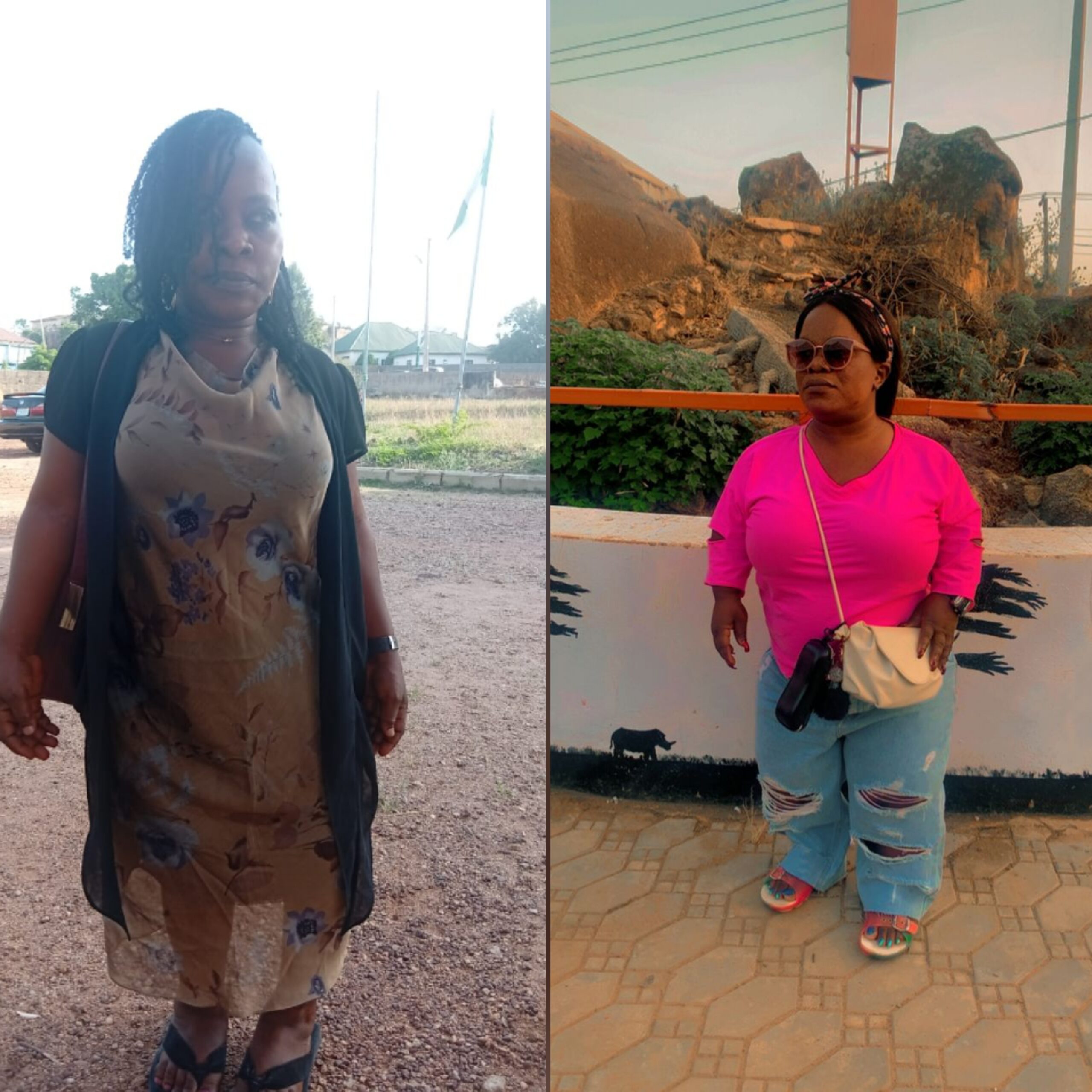

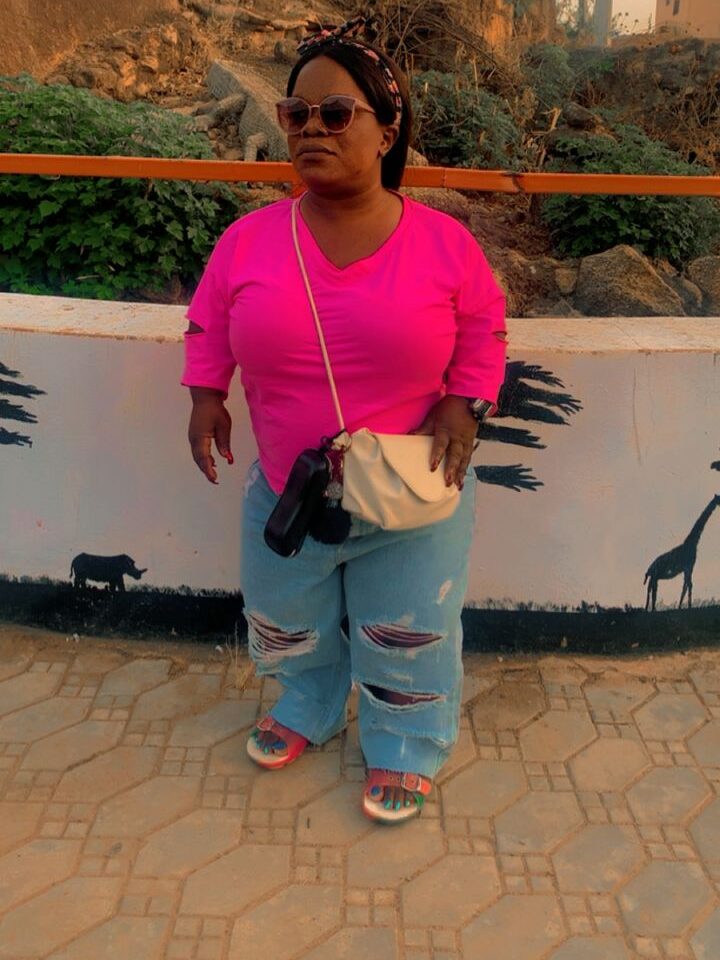
Despite enduring discrimination, inaccessible public spaces, social stigma and limited institutional support, many people living with dwarfism in Plateau State continue to demonstrate remarkable resilience. Through personal stories, expert insights and advocacy perspectives, this report by MARIE-THERESE NANLONG explores the realities of life with dwarfism, the hidden emotional and psychological burden of exclusion, and the urgent need for greater awareness, inclusion and protection of their rights
The Metro Bus heading from Zawan to Farin Gada in Jos, the Plateau State capital, was already crowded with passengers when Miriam Ajimasu boarded at Sabon Baraki, Bukuru in Jos South Local Government Area.
Like many other residents trying to avoid the crippling transport fares within the Jos-Bukuru metropolis, commuters squeezed tightly against one another as the conductor repeatedly shouted for people to move further inside.
Standing close to the entrance, Miriam struggled to keep her balance. The support rails were too high for her to reach.
As another commuter attempted to create space for her to move, a bus official shouted across the crowded vehicle: “These short people, this is how they behave.”
For Miriam, a young woman living with dwarfism, the comment reopened wounds she has carried since childhood; wounds shaped by years of ridicule, staring eyes, rejection and exclusion.
“I felt so bad,” she sadly recalled during an interview with THE NIGERIA STANDARD.
“People may think they are joking, but words like that still hurt.”
For many persons living with dwarfism in the State and elsewhere, exclusion is not always expressed through subtle innuendos or outright cruelty.
Often, it is hidden in public infrastructure designed without consideration for their realities, inaccessible transport systems, classrooms with unsuitable furniture, workplaces that underestimate their abilities and a society that notices their height before recognising their humanity.
While some have learned to survive through confidence and humour, others continue to battle isolation, discrimination and emotional trauma in silence.
For Miriam, the struggle began in childhood when complications affected her legs and led to three surgeries that permanently affected both her mobility and growth.
“At about 10 years old, I discovered that I was different from others. Everybody around me was tall and walked normally, while I limped and did not have the same height as my peers,” she observed.
The experience became more painful during her years in boarding school, where she constantly battled fear, rejection and mockery from other students.
She noted, “Students would run away from me in the dark after evening prep despite knowing me personally. It made me timid and withdrawn. The experience affected my concentration and participation in school activities.”
According to her, one of the few moments that helped reduce the emotional burden came after a Christian Religious Studies teacher addressed the issue publicly during assembly.
“He reminded the students that we are all created in God’s image,” she recalled.
Miriam also narrated how prolonged health challenges repeatedly interrupted her education, causing her to fall behind academically while some classmates mocked her absences and physical condition.
Beyond the emotional struggles, she said school environments were never designed with persons with disabilities in mind.
“There were many things I could not do without assistance because the facilities were not disability-friendly,” she explained.
Accessibility, she said, remains one of the biggest challenges she faces daily.
“There are bumps and barriers I cannot cross on the road, so I either take a long detour or ask people for help.”
She recounted another humiliating experience while trying to access a grant.
“Someone questioned why I was standing in the queue as if I was not supposed to benefit like every other person.”
Despite years of discrimination, Miriam insists her condition has never reduced her determination to succeed.
“I do not see any task as too difficult for me. Whenever I am given an opportunity, I give my best,” she said, adding that her current organisation values her competence rather than her stature.
Rejection, relationships, survival
Beyond public ridicule and inaccessible spaces, Miriam revealed that relationships have also been shaped by prejudice, while family support has been limited.
According to her, some men’s families openly rejected her because of her condition, while others approached her merely out of curiosity.
Her words: “Some people just want to experience being with a person living with disability. So, I have learned to set boundaries and avoid relationships that are not genuine.”
Rating her relationship with relatives at “40 out of 100”, she explained that after losing her father, she became largely responsible for supporting herself and contributing to her mother’s upkeep.
Still, she remains determined not to allow bitterness to define her life.
“I was able to support another woman living with disability by getting her a tricycle. I want to continue helping others if I have the opportunity,” she maintained.
For Anthony Gabriel, an artisan specialising in electrical installation and electronics, discrimination often appears subtly through assumptions about competence and physical ability.
“There are jobs they may refuse to give you because of your height, even when you are capable of doing the work. Making fun of our height and size is something many of us experience. People crack cruel jokes without thinking about how it affects us.”
Yet he rejects the idea that dwarfism makes anyone inferior.
Boldly, he declares: “I don’t see myself as a person living with disability because whatever other people can do, I can also do it. Once there is a problem, you must look for a way to solve it.”
According to him, self-acceptance became necessary for survival.
“I am the last-born in my family, and everybody loves me. When I realised I was created this way, I had no choice but to accept myself the way I am.”
‘I never saw myself as different’
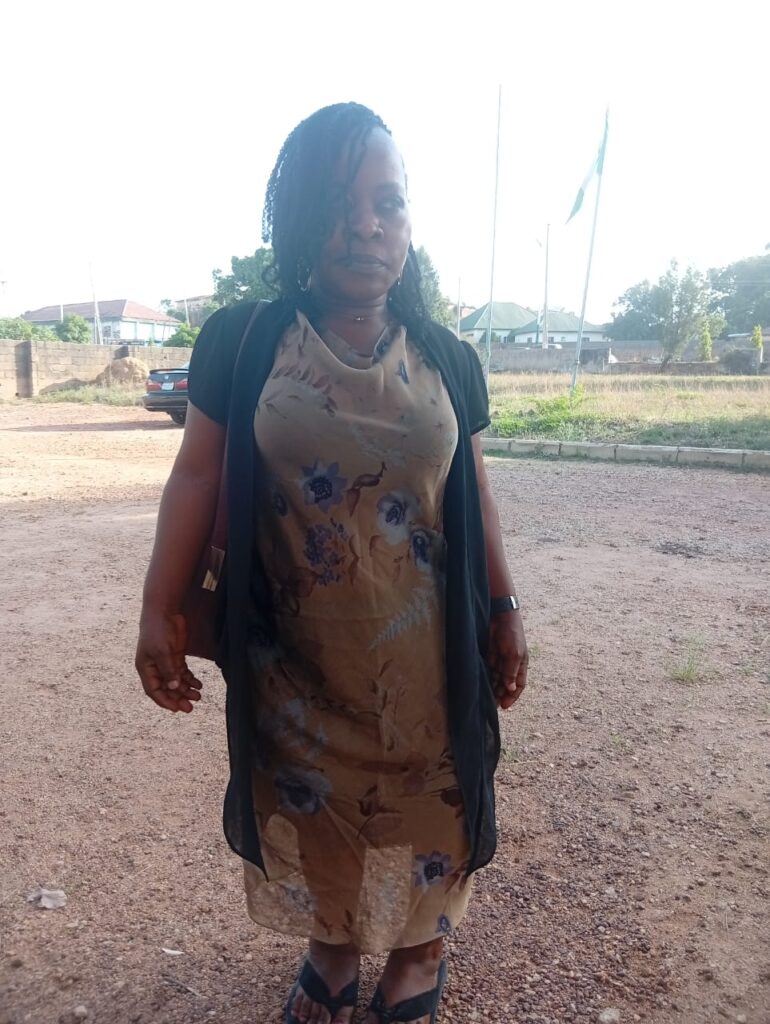
Unlike many others, Adama Maisamari, a graduate of English Language and Literature from Ahmadu Bello University, Zaria, said she grew up refusing to internalise society’s stereotypes.
She stated, “I don’t have any complex about myself. I was created this way, and I have never felt inferior because of my height.”
She attributed much of her confidence to the support she received from her grandmother, whom she described as fiercely protective.
“Growing up was actually fun for me because I never saw myself as different. Children and even adults made comments about my height, but it never broke me,” she narrated.
Rather than retreat into isolation, Maisamari said she learned to confront awkward situations with humour and confidence.
“Sometimes people have to help me climb into buses, and instead of feeling embarrassed, I make jokes about it. That’s just who I am.”
She also admitted that public infrastructure remains difficult for many persons living with dwarfism, especially transportation systems and buildings that do not consider accessibility.
“When I was younger, I used stools to reach places around the house. Now, I simply arrange things in ways that are convenient for me.”
Maisamari also revealed that some parents approached her to encourage children struggling emotionally with self-acceptance.
“I usually tell them to come out of their shell and be themselves. They are not different from anybody. They can go anywhere, do many things and explore the world. Nothing should stop them.”
Understanding dwarfism beyond myths, stereotypes
Although International Dwarfism Awareness Day is celebrated globally every October 25 to challenge stereotypes and promote inclusion, awareness about the condition remains limited in Nigeria.
Professor Ishaya Abok, a Professor of Paediatrics and Paediatric Endocrinologist at the University of Jos and Jos University Teaching Hospital, explained that dwarfism is not a single disease but a description for several medical and genetic conditions that cause significantly short stature.
“A person is considered to have dwarfism if their adult height is 4 feet 10 inches (147 centimetres) or below,” he explained.
According to him, the most common cause is achondroplasia, a genetic condition linked to mutations in the Fibroblast Growth Factor Receptor 3 (FGFR3) gene, responsible for making a protein that regulates bone growth, cell division and tissue repair.
Other causes include hormonal disorders such as growth hormone deficiency and hypothyroidism, genetic syndromes like Turner and Down syndromes, chronic illnesses, malnutrition and vitamin deficiencies.
Professor Abok stressed that dwarfism can either be disproportionate, where certain body parts are shorter than others, or proportionate, where the body remains balanced but smaller overall.
He warned that people living with dwarfism may face serious health complications, including bowed legs, spinal deformities, obesity, breathing difficulties, hydrocephalus, joint pain and neurological problems.
Beyond the medical realities, he noted that many also suffer psychological distress due to stigma, bullying and exclusion.
Importantly, he rejected widespread misconceptions linking dwarfism to curses or witchcraft, stressing that “it is primarily a medical and genetic condition and does not affect intelligence or human dignity.”
He identified major healthcare gaps for people with dwarfism in Nigeria, including poor awareness, a shortage of specialists, expensive treatment, inadequate rehabilitation services and weak social support systems.
According to him, many families are unable to access specialist care because of poverty, stigma and distance from tertiary hospitals.
Similarly, endocrinologist Dr Pannan Dayom explained that achondroplasia accounts for about 70 to 80 per cent of dwarfism cases globally.
He disclosed that although many forms of dwarfism are genetic and cannot be prevented, access to proper healthcare, nutrition and supportive environments can improve outcomes significantly.
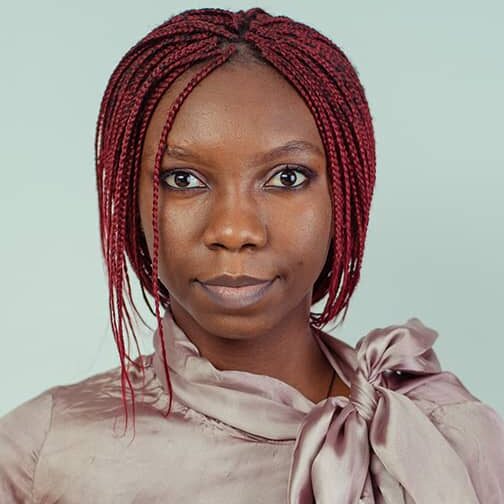
Hidden mental health burden, search for inclusion
A mental health expert, Jecinta Egbim, says years of discrimination and social exclusion often leave deep emotional scars on people living with dwarfism.
Egbim, an educationist and founder of the Friends Advocacy for Mental Health Initiative, said many persons with dwarfism constantly battle emotional and psychological stress.
She emphasised: “In the Nigerian context, where physical height is often given attention, people with dwarfism are subjected to very condescending statements. These experiences constantly put them in a place of psychological and emotional stress.”
According to her, many of them feel judged first by their height rather than recognised for their abilities and intellect.
“It makes them feel like people see me first by my height, and they just marginalise me.”
Egbim urged Nigerians to engage persons living with dwarfism with empathy and respect.
“We should care, show compassion, create more awareness and extend an arm of relationship just to understand them where they are and know them beyond their physical attributes.”
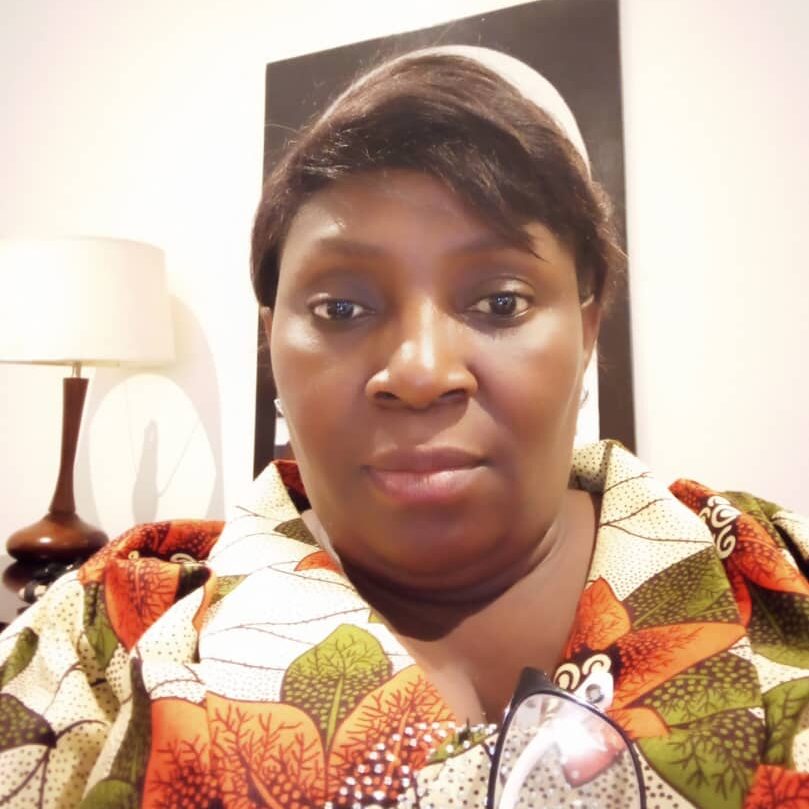
Patricia Pam, Executive Director of the Equal Basis Development Initiative, an inclusive NGO, lamented that people living with dwarfism in Plateau State continue to face widespread exclusion with little institutional protection.
According to her, there is currently no specific legal framework addressing their unique needs.
“Existing disability laws are not being effectively implemented,” she lamented.
Pam also criticised the absence of targeted government support in healthcare, education, employment and accessibility, noting that many employers still hesitate to hire persons with dwarfism because of assumptions about their physical abilities.
Calling for urgent reforms, she urged government authorities to develop policies specifically addressing the realities of persons living with dwarfism and other forms of disability, and ensure their inclusion in public life.
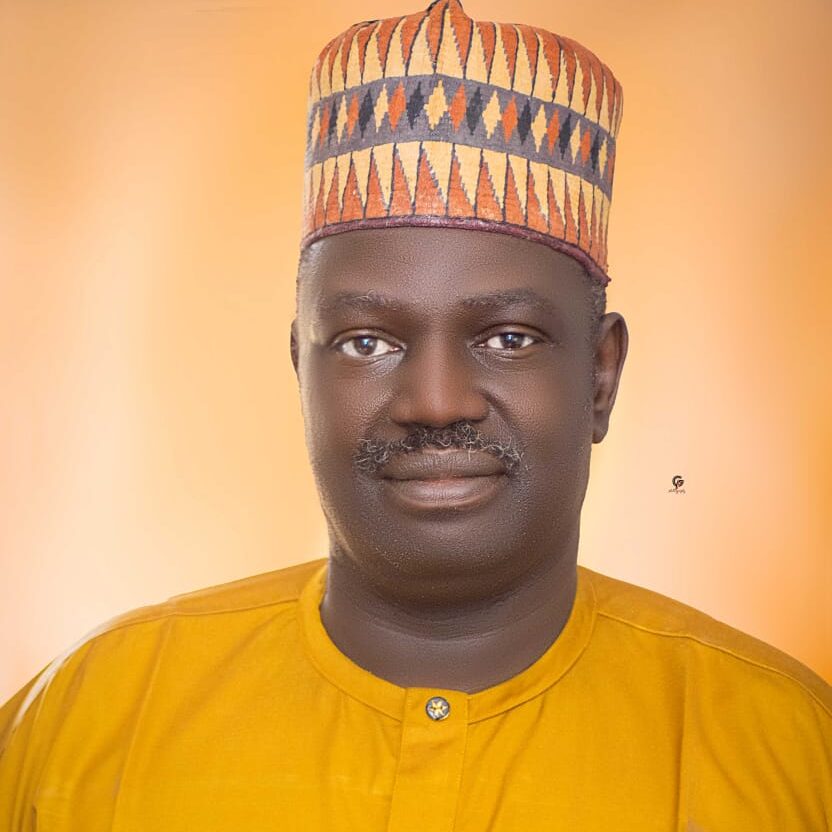
Dr Lengnen Jurmang, Executive Chairman of the Plateau State Disability Rights Commission, concurred that persons with dwarfism are not very visible within the State’s disability space.
According to him, “We have no formal group identified as persons with dwarfism. Those who identified with the Commission are classed under physical impairment; hence, we do not have any reliable statistics for them.
“The physically impaired group has a little challenge that we are sorting out. We have people with spinal cord injuries who say they do not want to be identified under physical impairment, and so do the people who survived polio.
“Those with dwarfism have not made any such demand like the other two groups, so we have no file record for them. If they approach us, we will also look into their issues and carry them along in our activities.”
Shindol Aaron, Chairman of the Joint National Association of Persons With Disabilities (JONAPWD), admitted that persons with dwarfism have long been neglected within the disability movement and pledged to address the situation.
He said, “Persons with dwarfism remain one of the least recognised groups as their challenges are often misunderstood or ignored despite their abilities and willingness to speak up.”
Aaron noted that “their concerns are usually overshadowed by broader disability issues, limiting the attention given to their specific needs.”
He added, “Poor representation in leadership, low public awareness, stigma and discrimination have contributed to their marginalisation within both the Association and society.”
According to him, “There is now a need to deliberately amplify the voices of persons with dwarfism and create more inclusive platforms for participation.”
He stressed that “their invisibility reflects years of exclusion and weak advocacy rather than inability,” while urging stronger representation, leadership opportunities and public awareness to ensure they fully enjoy their rights and dignity.
For Miriam, Gabriel and many others, however, the struggle extends beyond physical height to dignity, equal opportunity and recognition in a society where they are too often seen, but rarely heard or understood.