



By ALEX WINSTON
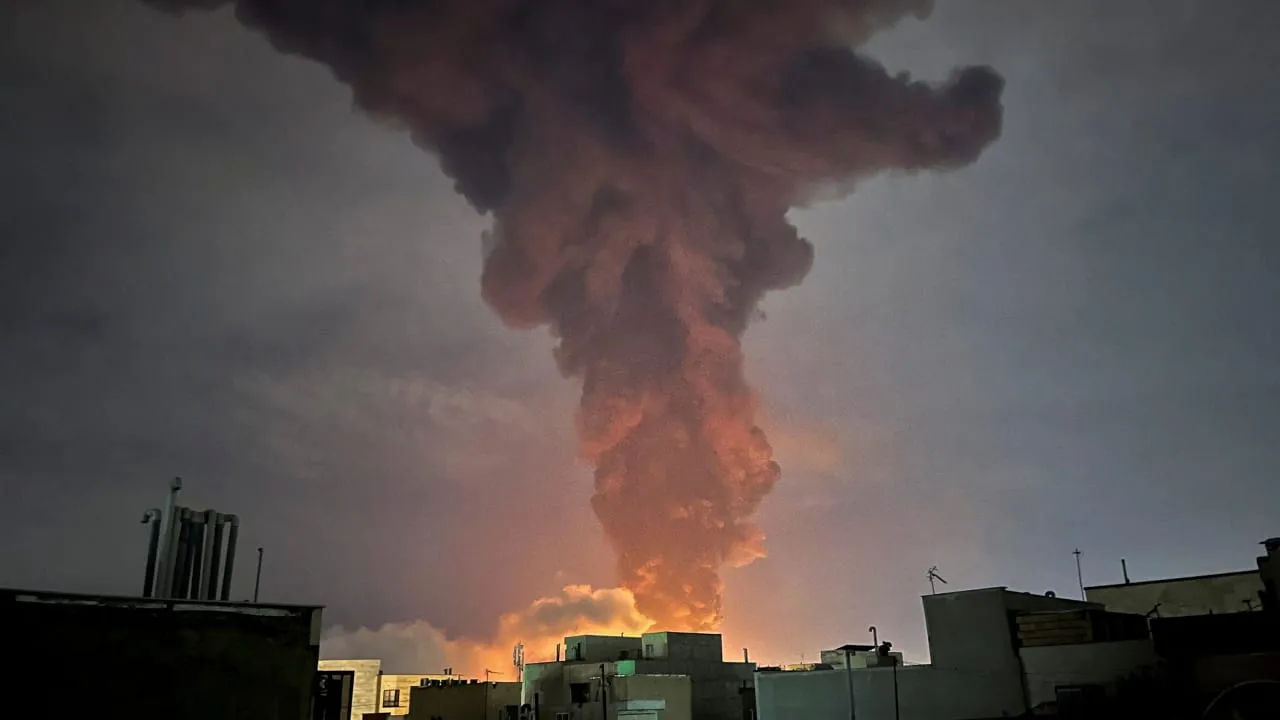
Israel’s decision to strike military targets in western and central Iran in the early hours of Monday morning was different from the previous rounds in a familiar cycle of retaliation, albeit one that has been quiet for several weeks.
It was a deliberate Israeli response to a dangerous test by Tehran, and one that Jerusalem could not afford to leave unanswered.
The immediate chain of events began in Lebanon. On Sunday afternoon, the Israel Air Force struck Hezbollah targets in Dahiyeh, the Beirut stronghold of the Iranian-backed terror group. The strike followed continued Hezbollah violations of the US-brokered ceasefire announced last week, and came after warnings from Prime Minister Benjamin Netanyahu and Defense Minister Israel Katz.
It was, in all truth, not a major strike on Hezbollah targets. Israel did not launch a full-scale operation in Beirut.
Iran, however, chose to respond directly toward Israel. Tehran had threatened retaliation for Israel’s attack and, by Sunday night, Iranian missiles were once again heading toward the Jewish state.
Sirens sounded across more than 100 communities in northern Israel as Iranian missiles were launched toward the country, and on Monday morning warnings were received after Yemen’s Houthis also rejoined the fray.
Home Front Command restrictions were in place throughout Monday, including a ban on educational activities through Tuesday across the country. No injuries were reported throughout the night, but that is not the point. The importance is in the precedent Tehran attempted to set.
Had Israel allowed the attack without response, the message to Tehran would have been pretty clear. Hezbollah could continue ignoring any ceasefire, attacking Israel and its soldiers at will, and any Israeli response to Hezbollah could be framed by Tehran as a provocation, allowing Iran to fire directly at Israel while assuming that American diplomatic pressure would keep Jerusalem’s hands tied.
That is an impossible deterrence model.
Negotiation or retaliation?
US President Donald Trump’s position was very clear. He urged Netanyahu not to retaliate, telling Axios that the US was “very close to a final deal with Iran” and that he did not want the latest exchange to “blow up” the negotiations. He argued that Israel had struck, Iran had struck, and that the matter should end there.
From Washington’s perspective, that makes sense. Trump is trying to preserve negotiations with Iran and avoid a return to open regional war. He also noted that the Iranian attack “didn’t hurt anybody,” presenting the exchange as a contained episode that could be folded back into negotiations.
But from Israel’s perspective, that logic is incomplete.
Iran’s missile attack has tested the waters on whether Israel’s ability to defend itself has become subordinate to American-Iranian diplomacy, and that itself is an issue.
Nobody is suggesting Israel and the US are at odds with their different approaches to Iran, but after last week’s incident in which Trump allegedly called Netanyahu “f****ing crazy,” it does appear to up the antagonistic feeling between the president and the prime minister.
It is very possible that Sunday night was a “tit-for-tat” blow-up that will then recede into quiet, but it is also possible that a small shift in the balance occurred, one due to the Iranians’ growing assumption that Trump is desperate enough for a deal to rein in any Israeli plans.
Iran did not attack Israel due to a strike on Tehran, Isfahan, or any nuclear facility. It was responding to an Israeli attack on Hezbollah – who have caused months of misery along the North – and if Tehran is allowed to fire missiles at Israel after every Israeli strike on Hezbollah, then Hezbollah effectively gains strategic immunity.
That would turn every northern incident into an Iranian veto over Israeli self-defense, and not responding would set a dangerous precedent.
THE JERUSALEM POST