


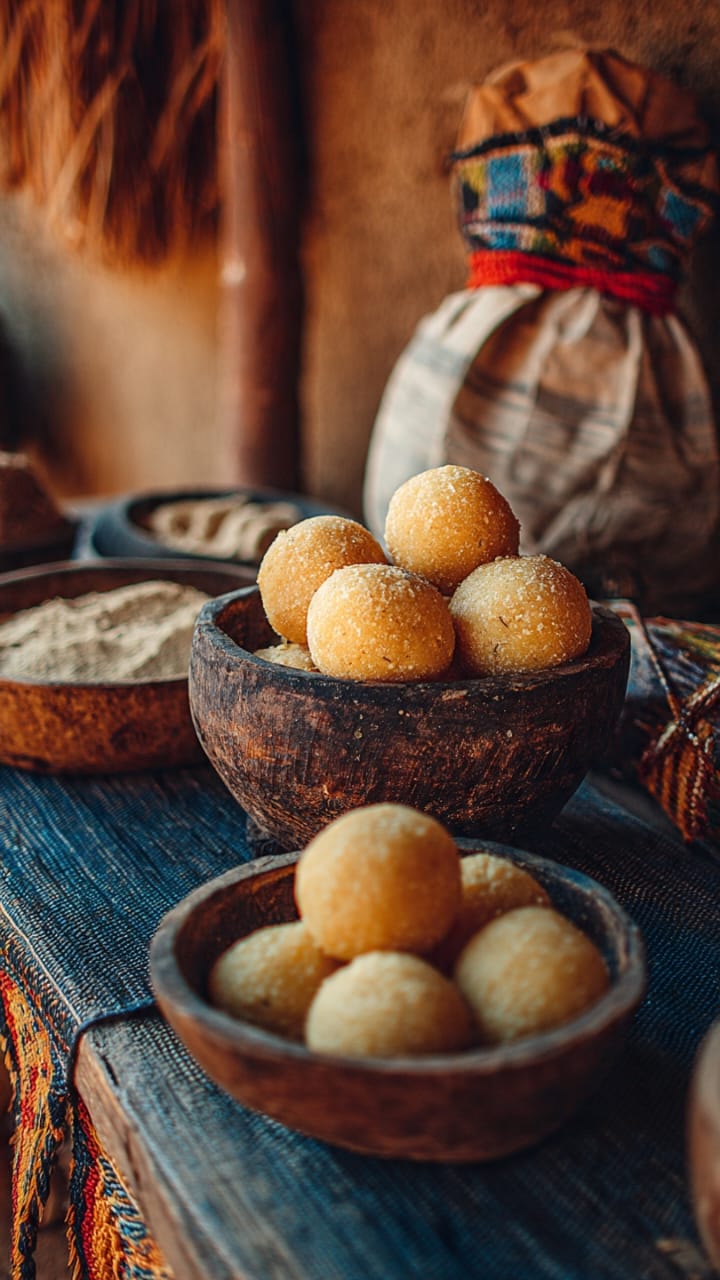


Long before the arrival of brightly packaged snacks and imported treats, generations of Nigerians relied on simple, locally made foods for nourishment and energy. One such delicacy is Dakuwa, a traditional Northern Nigerian snack whose unique blend of flavour, nutrition and cultural heritage has enabled it to withstand changing tastes and modern food trends. LOIS DADU’UT examines why this age-old favourite continues to attract loyal consumers and gain renewed appreciation among health-conscious Nigerians
In a market where packaged snacks dominate the shelves, one traditional delicacy from Northern Nigeria continues to hold its ground. Dakuwa, made from roasted groundnuts, millet or sorghum flour, sugar and aromatic spices, remains a generational favourite, found in local markets, served at social gatherings and carried along as a quick source of energy.
More than just a snack, dakuwa combines taste with nutrition, and producers say demand for it is not slowing down.
The appeal of dakuwa lies in its simplicity. Roasted groundnuts provide a rich, nutty base, while ginger, cloves and other spices add warmth and depth of flavour.
The result is a soft, crumbly snack with a natural sweetness that many consumers prefer to heavily processed alternatives.
“Once you taste good Dakuwa, you won’t forget it,” says Grace Audu, a long-time consumer in Jos.
“The nuts and spices give it a unique flavour, and the texture is light, unlike the hard biscuits you buy in stores. It feels natural, not factory-made.”
A blend of taste, nutrition
Nutrition experts note that dakuwa offers more than flavour alone. Groundnuts provide plant-based protein and healthy fats that support tissue repair and promote satiety. Millet and sorghum contribute fibre, vitamins and minerals that aid digestion and support overall body function.
“Dakuwa provides quick and sustained energy because of the combination of nuts and grains,” says Haruna Bala, a nutritionist.
“That is why people have relied on it for years. It also supplies magnesium for muscles and nerves, phosphorus for healthy bones and teeth, and Vitamin E, which serves as an antioxidant.”
The spices, he adds, offer additional health benefits.
“Ginger and cloves contain compounds that help the body combat oxidative stress,” he explained.
Secret behind its enduring popularity
In Jos North Market, Aisha Ibrahim has been selling Dakuwa for more than 15 years. According to her, the secret lies in the preparation.
“We still pound it the traditional way after roasting fresh groundnuts every morning, then mix them with millet flour, a little sugar and ginger,” she revealed.
Ibrahim explained that although some producers now use machines, many customers still prefer the hand-pounded variety because of its texture and taste.
“Many customers say the hand-pounded one tastes better and is more delicious,” she said.
“Mothers buy it for their children going to school, while travellers often take it along on long journeys.”
Another nutritionist, Jummai, observed that interest in indigenous foods is gradually increasing.
“Previously, many young people preferred imported snacks. Now, because of increased awareness about healthy eating, more of them are returning to Dakuwa and other local snacks because of their health benefits,” she said.
Preserving a healthy food tradition
Despite its nutritional value, experts advise moderation in consumption.
“Because Dakuwa is rich in groundnuts and often contains added sugar, it can be high in calories,” nutritionists warn.
“People managing their weight or blood sugar levels should consume it in moderate portions.”
Unlike many commercial snacks loaded with preservatives and artificial additives, traditional Dakuwa relies on simple, natural ingredients.
As conversations about healthy eating and the preservation of indigenous foods continue to gain momentum, the snack stands as proof that local cuisine can successfully combine taste, culture and nutrition.
Its continued popularity is a testament to the wisdom embedded in traditional food practices and the enduring appeal of wholesome, locally sourced ingredients.
For many Nigerians, dakuwa is far more than a snack. It remains a cherished symbol of culture, community and healthy living, connecting generations through a shared appreciation of one of Northern Nigeria’s most beloved delicacies.