
As Plateau State pursues its vision of a modern, organised and economically vibrant transport system, authorities are increasingly confronted with challenges that threaten road safety, urban planning and infrastructure sustainability. From the growing presence of heavy-duty trucks parked along major highways to the persistent operation of illegal motor parks within the Jos-Bukuru metropolis, the state’s efforts to restore order have sparked debate among stakeholders. In this report, GASHION KUTYIL examines the realities behind these challenges, the concerns of transport operators and residents and the search for practical solutions that can balance regulation with economic realities
As dawn breaks over Jos, the capital of Plateau State, the city awakens to its familiar rhythm. Commercial buses jostle for passengers, traders hurry to markets, students head to schools and long-haul trucks line major entry points into the metropolis.
Transport remains the lifeblood of Plateau’s economy, connecting communities, facilitating trade and sustaining livelihoods.
Yet beneath the daily movement lies a growing concern that has become increasingly visible across the Jos-Bukuru metropolis: the proliferation of heavy-duty trucks parked along roadsides and the persistence of illegal motor parks operating outside designated transport terminals. These twin challenges have become a source of frustration for residents, transport operators, urban planners and government authorities alike.
While successive administrations have grappled with the issue, recent efforts by the Plateau State Government and relevant regulatory agencies have intensified the push to restore order, improve road safety and protect critical infrastructure.
However, the implementation of these measures has generated mixed reactions, exposing the complex realities of balancing regulation with economic necessity.
A city under pressure
The Jos-Bukuru metropolitan area serves as the commercial gateway to Plateau State and parts of the North-Central region. Every day, hundreds of trucks transporting food items, construction materials, petroleum products, agricultural produce and manufactured goods pass through the city.
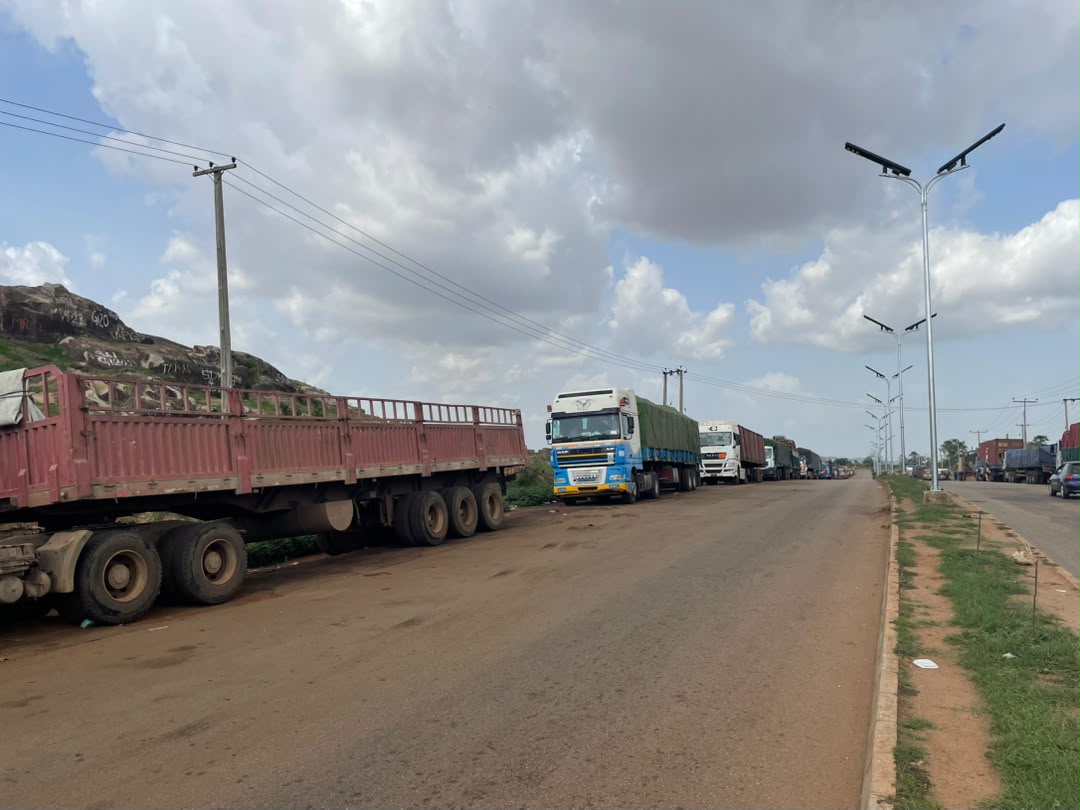
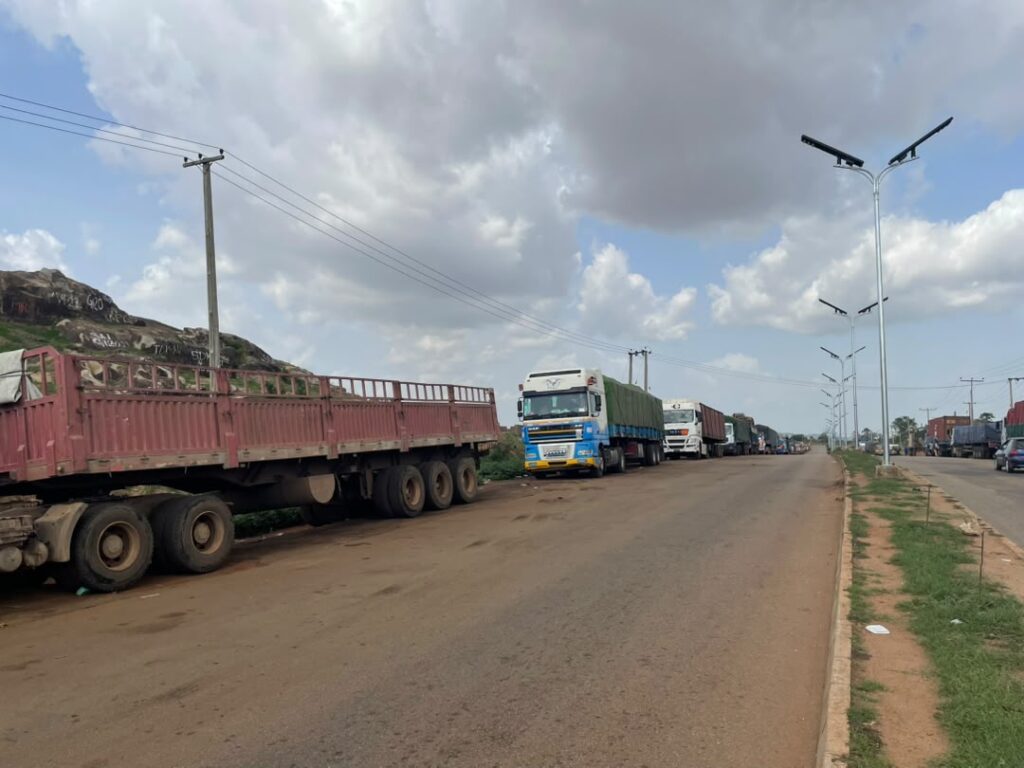
As urban expansion continues, roads originally designed decades ago now carry traffic volumes far beyond their intended capacity. The challenge is further compounded by heavy trucks that often spend hours, and sometimes days, parked along road shoulders while awaiting permission to enter the city or complete deliveries.
At Mararaban Jema’a, one of the major entry points into Jos, rows of articulated vehicles can often be seen occupying portions of the highway. What was initially a temporary solution has gradually evolved into an informal parking system.
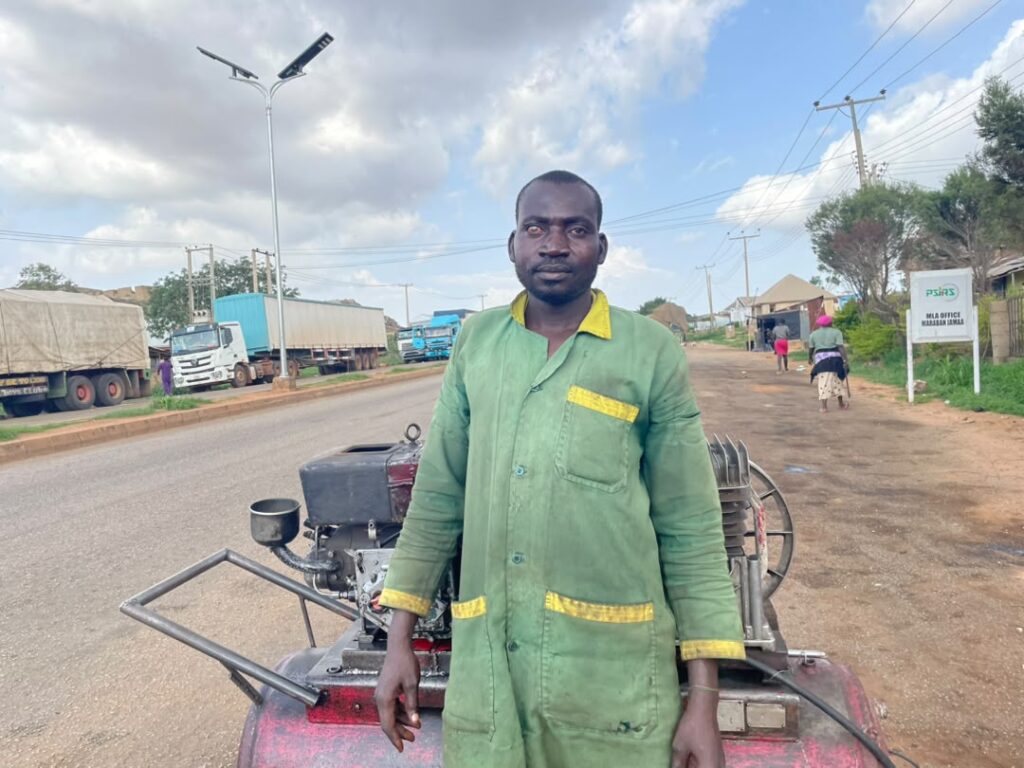
For Abdulhamid Ibrahim, a vulcaniser who services truck tyres in the area, the consequences are evident.
“I wasn’t here before,” Abdulhamid explained while attending to a customer’s vehicle. “Because of this new law, trucks aren’t allowed to enter the city during the day. My boss stayed at Zawan Junction, but I moved here to cater to the trucks that are now forced to wait at the outskirts.”
His observation reflects how transport policies have reshaped economic activities around the city’s outskirts.
Yet Abdulhamid is more concerned about the long-term impact on infrastructure.
“Wherever heavy trucks park, the road will get damaged,” he said. “These roads are old. We see trucks carrying 50 to 70 tons. The shoulders are collapsing. If the government could provide a dedicated trailer park, it would be much better. They could collect revenue, provide security and save the roads.”
Urban planners and road engineers have long warned about the consequences of allowing heavy vehicles to remain parked on road shoulders for extended periods.
Road shoulders are generally designed to support occasional emergency use rather than continuous loading by multi-ton vehicles.
When subjected to constant pressure from articulated trucks, they begin to deteriorate rapidly, leading to cracks, erosion, potholes and eventual road failure.
Beyond infrastructure damage, roadside truck parking presents significant safety concerns. Reduced visibility, narrowed carriageways and sudden lane obstructions increase the likelihood of accidents, particularly at night and during periods of poor weather.
Residents living around major truck corridors have also expressed concerns about noise pollution, environmental degradation and security challenges associated with large concentrations of vehicles.
Experts argue that the problem is not necessarily the presence of trucks themselves but the absence of properly designed facilities to accommodate them.
Across many major cities, dedicated trailer parks serve as holding bays where trucks can rest, undergo inspections, receive security protection and await scheduled entry into urban centres. Such facilities remain largely inadequate around the Jos-Bukuru metropolis despite increasing traffic volumes.
In response to growing congestion and safety concerns, the Plateau State Government introduced restrictions on the movement of heavy-duty vehicles within the metropolis during certain hours.
Authorities maintain that the policy was designed to reduce accidents, improve traffic flow, protect urban roads and enhance the overall aesthetics of the city.
The initiative has received support from many residents who argue that unrestricted truck movement poses serious risks to motorists and pedestrians.
However, truck operators insist that enforcement has not been accompanied by the necessary infrastructure needed to support compliance.
At Mararaban Jema’a, several drivers voiced their frustrations over what they described as an increasingly difficult operating environment.
One driver heading towards Jalingo expressed his anger openly.
“I swear by God, if it weren’t for the cargo I have to pick up in Abuja, I would never enter Jos again,” he said. “They say we can’t move until 9:00 PM. But where do they want us to park? If you make a mistake and enter during the restricted time, they hunt you down like wild animals.”
Another driver questioned the practical implications of the restrictions.
“We are not criminals; we are moving the economy,” he lamented.
While these allegations represent the views of the drivers, they highlight a broader concern regarding the need for continuous dialogue between regulators and transport stakeholders.
Battle against illegal motor parks
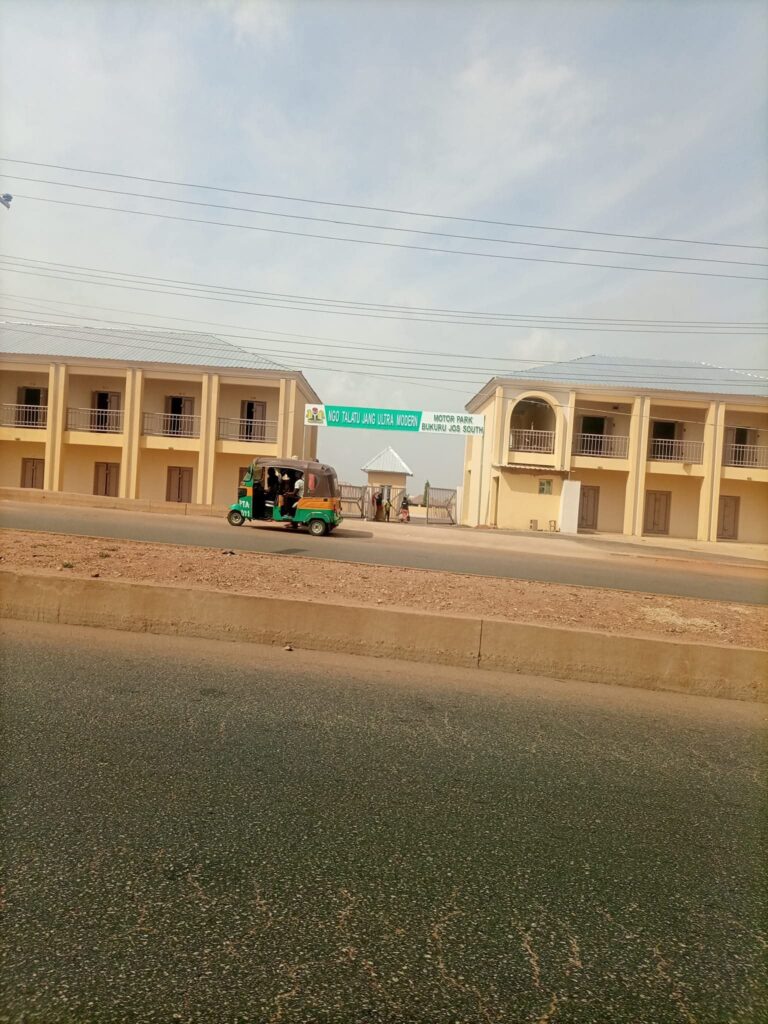
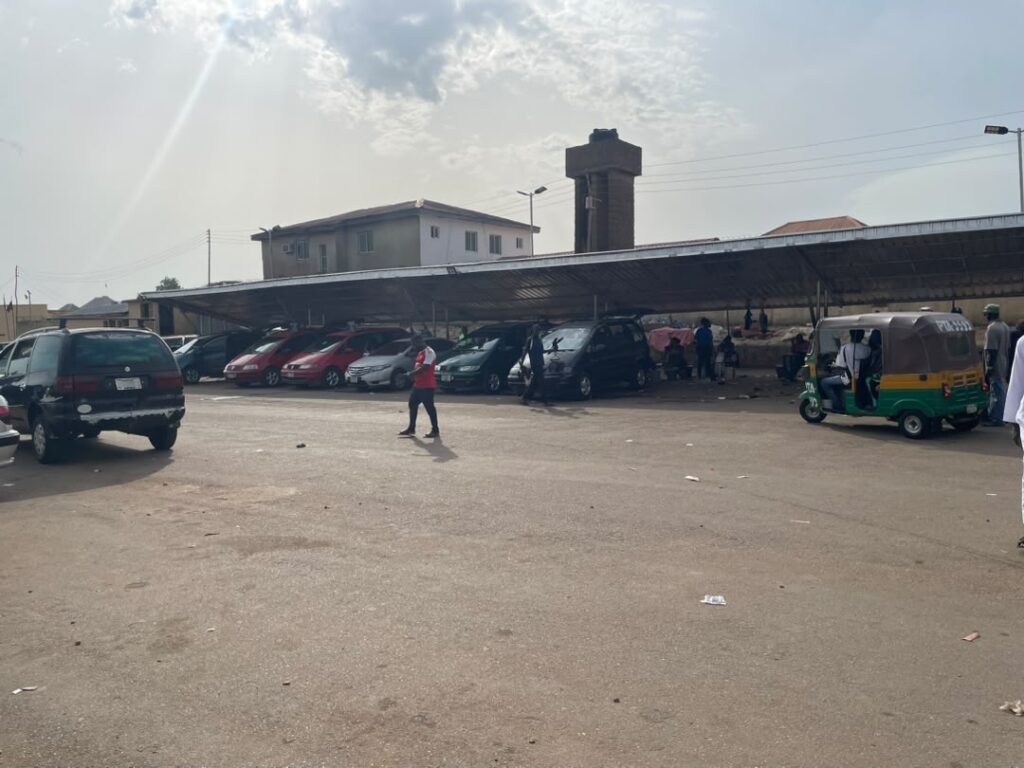
Beyond truck congestion, another major challenge confronting transport authorities is the proliferation of illegal motor parks and roadside loading points.
Over the years, efforts have been made to relocate commercial transport operators from congested roadside locations into officially designated parks. The objective is to improve traffic management, enhance passenger safety and create a more organised transport system.
However, compliance has remained uneven.

At the Jos South/Anguldi Park, a transport union official described the ongoing struggle between operators who relocated to approved facilities and those who continue operating from unauthorised locations.
“We are facing challenges,” said NURTW official Useini Haruna. “The NTA Park is still operating illegally. They stay outside the fence, picking up passengers and competing unfairly with those of us who obeyed the government’s order to move. We’ve been in court with them for two years.”
According to him, operators who comply with government directives incur expenses associated with maintaining approved facilities, while illegal operators benefit from lower operating costs and easier passenger access.
The situation has created tensions within the transport sector and raised questions about the effectiveness of enforcement mechanisms.
Haruna acknowledged the efforts of the Jos Metropolitan Development Board (JMDB) but called for greater consistency.
“If they come this week, they might not return for another three weeks,” he said. “My plea is for strict enforcement. We obeyed the law; the law should now protect us from those who break it.”
Enforcement dilemma, road ahead
The challenge facing authorities is not simply one of regulation but of sustainability.
Enforcement operations conducted by agencies such as the JMDB, traffic management officials and security agencies have yielded periodic successes in dismantling illegal loading points and removing roadside obstructions.
However, illegal operators often return once enforcement teams leave, creating a cycle of removal and re-emergence.
Urban management experts argue that enforcement alone cannot solve the problem. Sustainable solutions require a combination of infrastructure development, stakeholder engagement, economic incentives and public awareness.
Without addressing the underlying reasons why operators choose illegal locations, the problem is likely to persist.
Stakeholders across the transport sector generally agree that the solution lies in a comprehensive approach.
First, Plateau State requires modern trailer parks at strategic entry points such as Mararaban Jama’a, Bauchi Road and Zaria Road. Such facilities would provide safe and organised parking spaces for heavy-duty vehicles while protecting road infrastructure.
Second, transport regulations must be enforced consistently and transparently. Uniform application of the law would help eliminate perceptions of selective enforcement and ensure fairness among operators.
Third, greater collaboration is needed between government agencies, transport unions, truck owners and logistics companies. Continuous dialogue can help identify practical solutions that address both safety concerns and operational realities.
Fourth, designated motor parks should be upgraded to make them more attractive and functional for both operators and passengers. Adequate facilities, security, accessibility and maintenance can encourage voluntary compliance.
Finally, public education remains essential. Road users, transport operators and passengers must understand that orderly transport systems benefit everyone by reducing accidents, preserving infrastructure and improving urban mobility.
Plateau State’s transport sector stands at a critical crossroads. The challenges posed by roadside truck parking and illegal motor parks are significant, but they are not insurmountable.
Government interventions have demonstrated a commitment to restoring order within the Jos-Bukuru metropolis. Yet the experiences shared by truck drivers, union officials and roadside business operators reveal that important gaps remain.
The future of urban transportation in Plateau will depend not only on regulations but also on investments in infrastructure, stakeholder cooperation and sustained enforcement.
For now, the trucks continue to line sections of the highways, illegal loading points continue to compete with approved parks and authorities continue their efforts to maintain order.
The challenge before Plateau State is clear: creating a transport system that is efficient, safe, economically viable and fair to all stakeholders.
Achieving that balance may not be easy, but it remains essential for the continued growth and development of the state.