



Determined to change the dominant narratives surrounding Plateau State, filmmakers, media practitioners, content creators and development stakeholders have launched a fresh campaign to project the state’s rich cultural heritage, tourism potential and creative talents through compelling storytelling capable of attracting global attention. PALANG KASMI captures the key resolutions, expert insights and collaborative commitments reached at a strategic roundtable aimed at repositioning Plateau as a destination of peace, creativity and opportunity
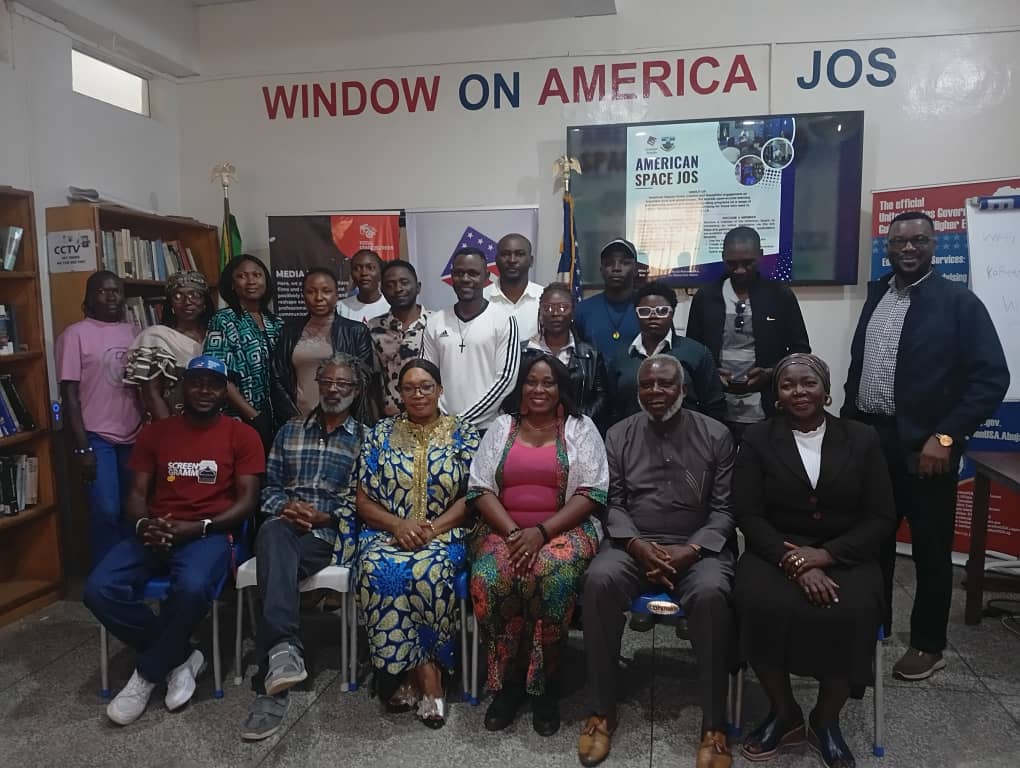
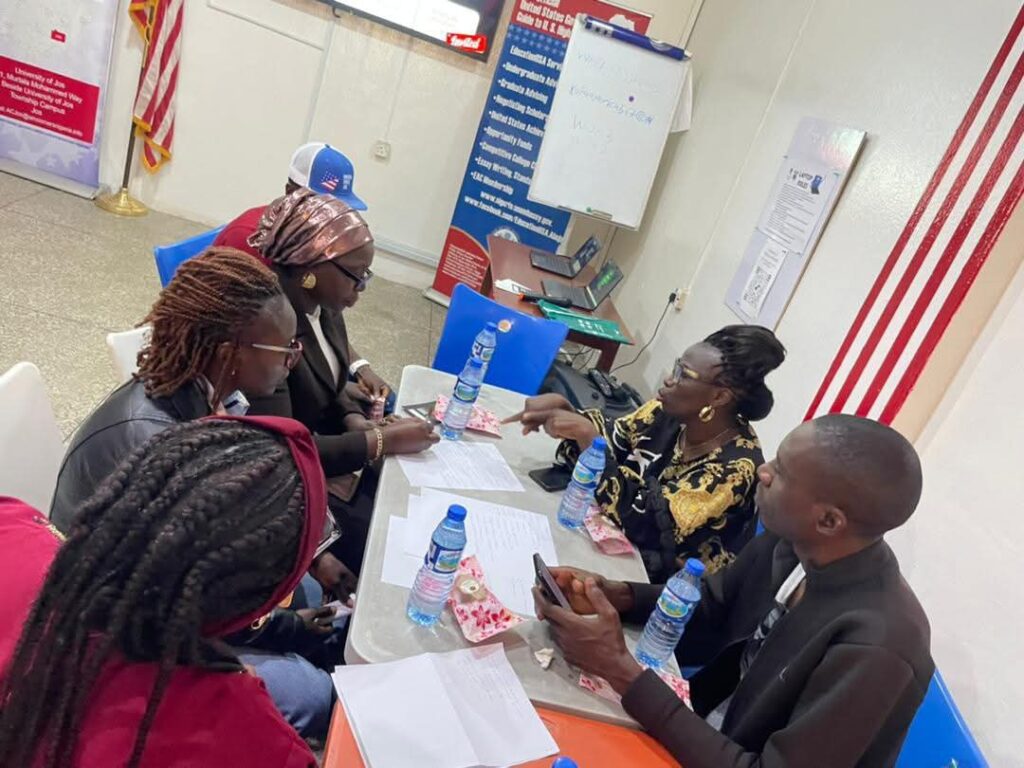
Media and film practitioners in Plateau State on Friday, June 26, 2026, convened for a closed-door strategic meeting aimed at repositioning the state’s storytelling landscape and making it more vibrant across Nigeria and the international community.
The meeting, organised by TotalStage2Screen Media in partnership with American Space, took place at the American Space Office along Murtala Mohammed Way, Jos, bringing together experts from the film and media industries across Plateau State.
The forum attracted researchers, filmmakers, photographers, producers, storytellers, humanitarian workers, content creators and other stakeholders from government and the creative industry working in Plateau State.
The dialogue focused on identifying gaps in the state’s storytelling practice and exploring pathways to tell Plateau State’s story in ways that give it the recognition and prominence it deserves within Nigeria and across the world.
Using storytelling to shape identity, inspire change
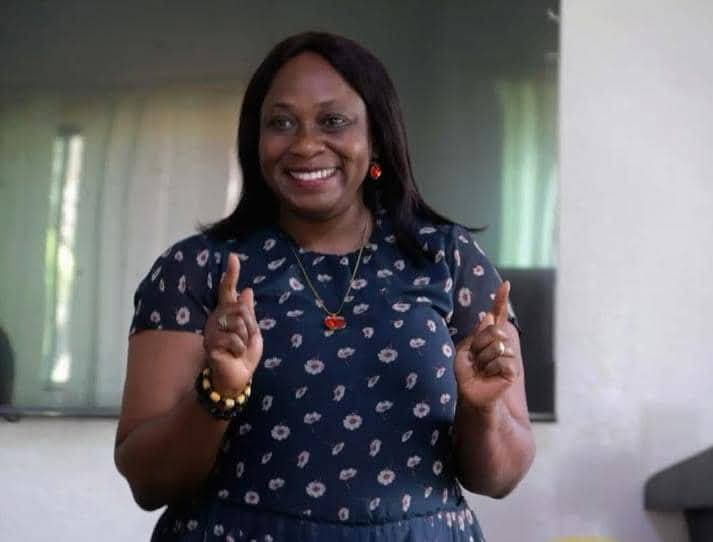
In her opening remarks, the organiser of the engagement and Executive Director of TotalStage2Screen Media, Alice Laka-Fashakin, lamented that Plateau State’s film industry has not produced enough compelling media content capable of telling the story, beauty and challenges of the state despite its enormous natural and human resources.
According to her, Plateau is blessed with exceptional talents, breathtaking scenery, hills, waterfalls, mountains, rich and diverse cultural heritage, hospitable people and numerous other attractions that deserve global recognition.
“Yet, despite all these, those living outside Plateau know very little about the state. And when they do, it is often through stories of conflict, rather than stories of possibilities.
“A land blessed with beauty becomes known for its wounds because we cannot intentionally tell its story. We have allowed events to define us instead of narratives to define us,” she stressed.
Laka-Fashakin, who is also a trainer, producer, director, actor and initiator of Woman 360 Degree, maintained that Nigerians have not done enough to deploy their creative talents in projecting the country positively.
“We are not doing enough. Nigerians are gifted at complaining but are not using their gifted talents to portray the country to the world,” she lamented.
According to her, Nigeria has continued to apply the wrong tools in addressing many of its challenges.
“Nigeria is trying to solve problems like insecurity and other challenges with the wrong tools. The battle cannot be won through press conferences but through stories, narratives and films that shape minds and perceptions.”
She argued that the power of storytelling remains one of the most underestimated instruments of transformation available to Plateau State despite the enormous influence of the media.
Laka-Fashakin lamented that while many Nigerians view the media merely as entertainment, advanced nations deliberately deploy storytelling to shape national identity, influence their economies, promote tourism, strengthen culture, project global influence, combat extremism and solve societal problems. Despite their own internal challenges, she noted, their citizens continue to believe in their countries, unlike many Nigerians.
Looking specifically at Plateau State, she urged practitioners to produce stories that promote peacebuilding, youth employment, nation-building and responsible leadership instead of dwelling predominantly on negative narratives.
“Many of our national problems are narrative problems. Corruption is a narrative problem because young people are constantly exposed to stories that glorify wealth without character. Crime is also a narrative problem because shortcuts are celebrated while integrity receives little attention. Even ethnic divisions persist because communities hear more stories about their differences than about their shared humanity.”
Learning from global storytelling models
Drawing lessons from the United States, participants examined how deliberate storytelling has helped shape America’s global image and influence despite its own internal challenges.
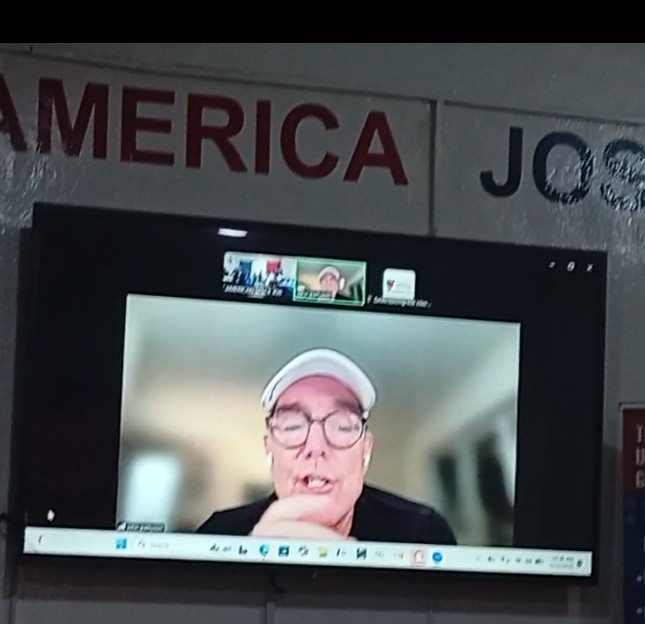
To explain the strategy behind America’s success in projecting its image, resource person, John Pattyson, a three-time Emmy Award-winning producer, director and writer who has created content for CBS, ABC, HBO and FOX, addressed the participants virtually from Los Angeles, California.
Speaking on how the American media has consistently projected the country’s image around the world, why the strategy has endured and how it continues to succeed, Pattyson explained that the foundation was laid after the Second World War through a deliberate combination of government policy, business, education, media, culture and economic planning.
Pattyson, who gained global recognition through television content production, said American leaders deliberately wanted other nations to admire and emulate the United States through what he described as “soft power.”
According to him, the government invested heavily in media organisations such as the Voice of America (VOA), international broadcasting platforms and the Fulbright Programme, established in 1946 to promote educational and cultural exchanges.
He added that investments were also channelled into diplomacy programmes such as American Spaces to help rebuild America’s image after the war.
The award-winning producer explained that Hollywood, television, advertising and music subsequently projected an image of America as prosperous, innovative and powerful.
Millions of people across the world, he said, watched American films, listened to American music and embraced American brands.
Pattyson noted that through these deliberate strategies, the United States became the world’s largest exporter of culture.
According to him, America’s image and content have continued to spread globally through companies such as Warner Bros., Walt Disney, Netflix, Apple and Google, while institutions such as Harvard University constantly generate ideas and stories that reinforce American influence and national goals.
He advised that Nigeria could adopt a similar model by expanding the international distribution of Nollywood productions through Netflix, TikTok, Instagram and other global streaming platforms.
Pattyson also encouraged content creators, filmmakers and media practitioners to package and promote Afrobeats, tourism, culture and music through strategic partnerships with international streaming services and cultural institutions.
He further identified five major pillars sustaining America’s global influence, including the deliberate projection of a compelling national story capable of attracting admiration and partnerships across the world.
He advised Nigerian creatives to develop games featuring Nigerian characters, strengthen scholarship programmes and intentionally export Nigerian culture.
“Nigeria should use its fresh narrative on entrepreneurship, creativity, youth innovation and large cultural values. Let the world know about Nigeria and why they should care about you.”
He added: “The stories in Nigeria are endless. Build profiles on the country’s business figures, actors and ongoing television shows. Export culture relentlessly—movies, Nollywood, Afrobeats, Felabration and international music stars like Burna Boy, Davido and Wizkid. Reach out and create alliances internationally.”
Government agencies pledge collaboration
Participants recalled how, during the 1980s and 1990s, there was strong collaboration between government institutions and storytellers in producing compelling media content that projected Nigeria positively to the world.
They observed that, beyond funding challenges, collaboration between creative professionals and relevant government agencies has weakened considerably, limiting efforts to tell Plateau State’s authentic stories.
The Plateau State Director of the National Orientation Agency (NOA), Mrs Kaneng Pam-Hworo, represented by Memuna Ikwuta-Adah, assured participants that the Federal Government supports every genuine initiative aimed at projecting Nigeria positively.
She explained that the NOA regularly conducts sensitisation programmes across Nigeria’s 774 local government areas to educate citizens on government policies, promote positive values and encourage attitudinal change.
She challenged filmmakers and media practitioners to produce stories that portray Nigerians as hardworking, innovative, resilient and prosperous.
“The government is not against positive storytelling in Nigeria but truly supports every positive initiative that promotes the progress of the country,” she said, adding that lasting national change begins with individuals before spreading throughout society.
While assuring participants of the agency’s willingness to facilitate positive projects, she urged content creators to avoid narratives that promote religious division or ethnic sentiments and instead produce stories capable of strengthening national unity.
Also speaking, the Zonal Director of the National Broadcasting Commission (NBC), Jos Zonal Office, Isiaka Abu, represented by Deputy Director Ayodele Brown, identified unprofessional conduct among some broadcasters as a major challenge confronting the industry.
He urged media practitioners to remain factual, truthful and professional while avoiding inciting content capable of attracting regulatory sanctions.
The NBC official also encouraged filmmakers and broadcasters to produce compelling indigenous content centred on Plateau State and Nigeria.
According to him, the NBC played a critical role in the emergence of Nollywood by insisting on increased local content in Nigerian broadcasting.
“In terms of music and entertainment, it was the NBC that pushed forward what we call Nollywood today. In the early 1990s, we had almost 100 per cent foreign content on our radio and television stations, while local content accounted for barely five per cent.
“The NBC directed broadcast stations to increase local programming to about 80 per cent, and that policy helped stimulate the emergence of talents such as Tuface and, later, Davido.”
He added that MultiChoice was equally directed to maintain at least 40 per cent local content across its channels, a development that led to the creation and expansion of Africa Magic through Nigerian dramas and locally produced programmes, further strengthening Nollywood.
Stakeholders launch blueprint to tell the Plateau story
The NBC further assured participants of its readiness to partner with stakeholders in the creative industry, while urging filmmakers and broadcasters to produce quality soap operas and other compelling productions instead of cheap content.
The commission also encouraged practitioners to project Nigeria positively, noting that even developed countries, despite facing their own internal challenges, consistently present themselves to the outside world as progressive and prosperous.
Adding her voice to the discussion, a lecturer in the Department of Mass Communication, University of Jos, Dr Comfort Bulus, challenged storytelling experts to become more deliberate in documenting Plateau State’s development stories.
She also called on the NBC and NOA to deepen their collaboration with filmmakers and media practitioners in producing authentic, world-class stories capable of projecting Plateau positively.
According to her, numerous development initiatives and important events taking place in communities across Plateau remain underreported despite their significance.
“There should be more funding and training in what you are doing. Come out of your offices and go into the communities to tell people there is a story to be told and show them how to tell it. I am looking forward to seeing you enter every Jos community and every Plateau village so that, as events unfold, you become the first to document them. When people see your stories, they will want to tell them too, and they will first come to you before relying on someone else’s version,” Bulus stated.
Participants also shared their experiences and the challenges confronting the creative industry, including inadequate funding, poor logistics, insufficient government support, intimidation over content considered critical of government, and limited opportunities for professional training needed to produce globally competitive media content and films.
The filmmakers and media practitioners encouraged one another to build stronger partnerships capable of rebranding Plateau State and amplifying authentic indigenous stories.
One of the participants, Seyi Babalola, lamented that Nigerian content is often subjected to stricter regulation than foreign productions and urged leaders to improve security and governance to provide content creators with more positive stories to tell.
Also speaking, the Director of American Space in Jos, also known as the American Corner or Window on America, University of Jos, Professor Katrina Korb, represented by Mathew Giwa, explained that American Spaces operate in partnership with the United States Mission in Nigeria to provide free access to information, educational resources and programmes about the United States.
A media practitioner and development expert, Prince Charles Dickson, urged participants to develop a practical blueprint for telling Plateau State’s story in a truthful, consistent and professional manner that would give the state a stronger identity.
While acknowledging that media production is an expensive venture, Dickson advised practitioners to remain committed to telling Plateau’s story by identifying their strengths and building sustainable platforms around them.
At the end of the strategic roundtable, participants—comprising government and non-government stakeholders—expressed their readiness to strengthen partnerships, expand collaboration and champion initiatives that will not only reshape the narrative of Plateau State but also produce compelling media content capable of competing successfully on the international stage.