


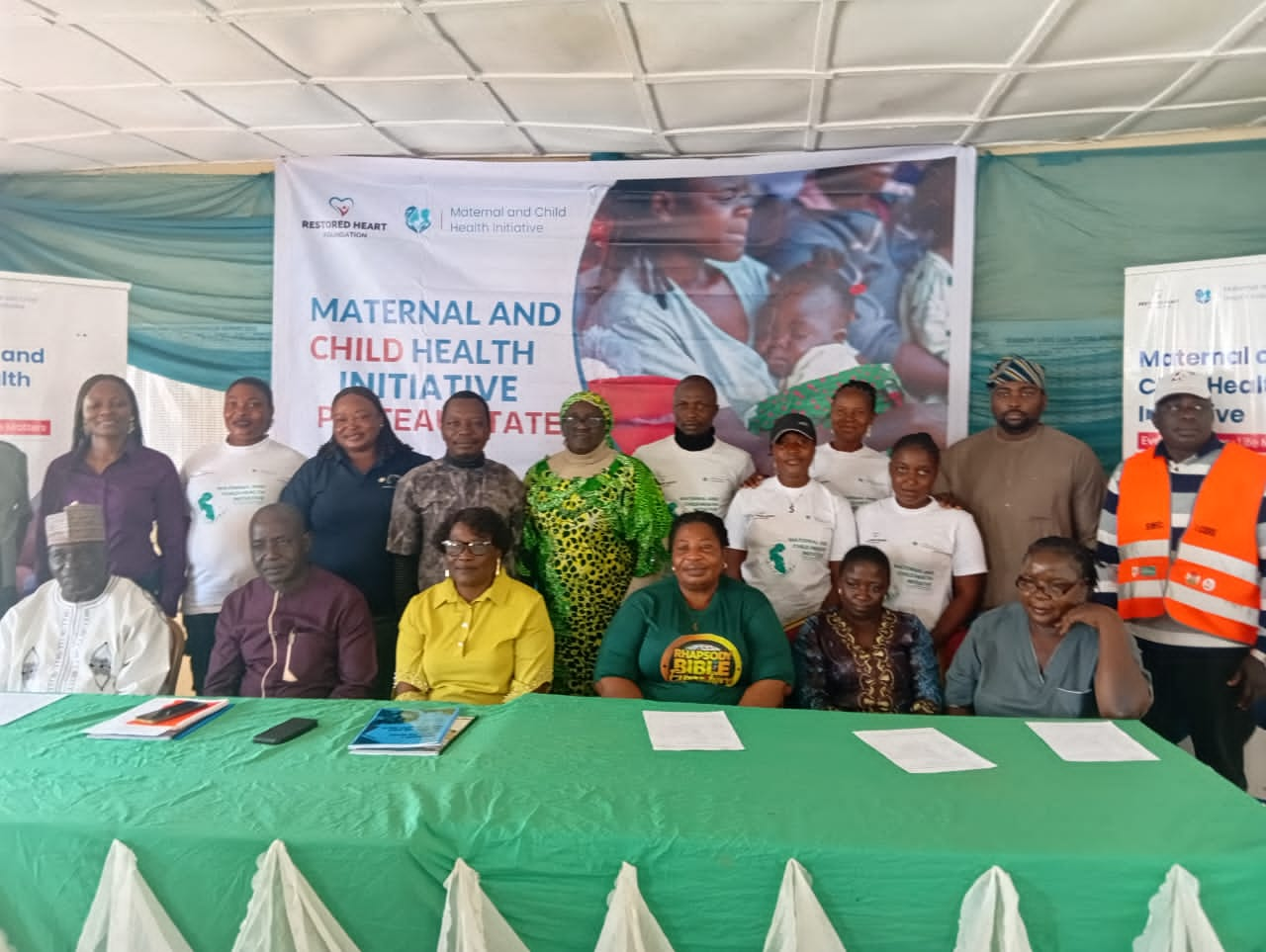

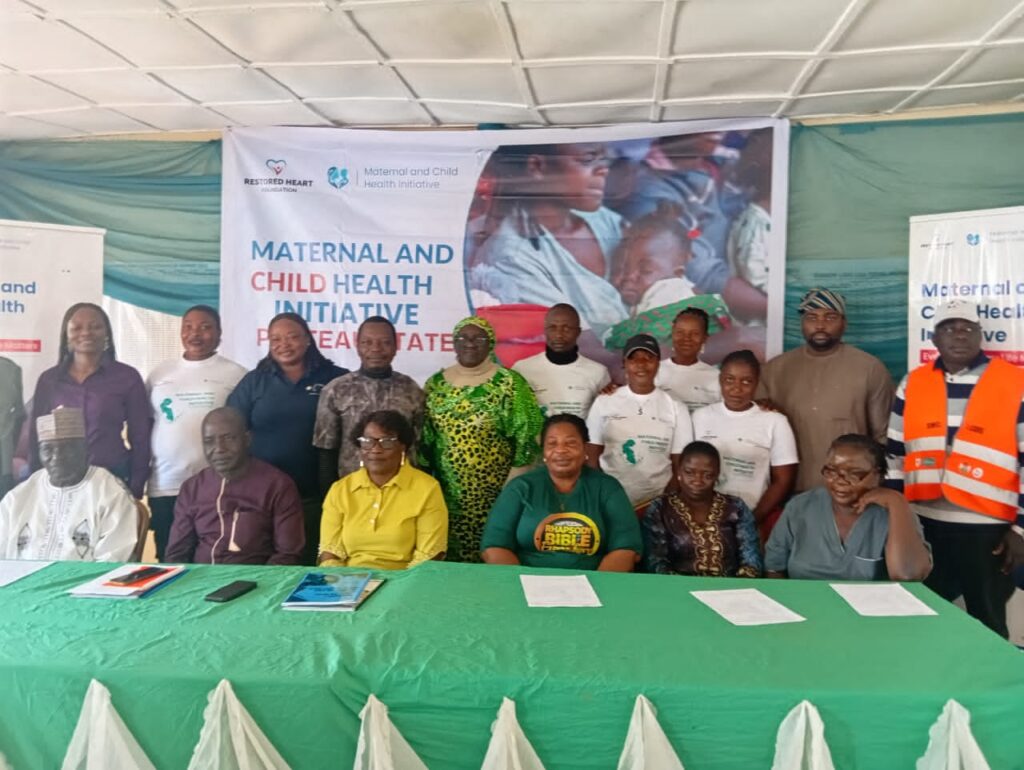
By MARIE-THERESE NANLONG
For years, childbirth in Chit and neighbouring Gassa communities in Barkin Ladi Local Government Area of Plateau State was often a matter of chance.
With the nearest Primary Healthcare Centres (PHCs) operating with only one or two exhausted health workers, many pregnant women saw little reason to make the journey to facilities where they were unsure anyone would attend to them.
The low patronage of the PHC Chit saw to the conversion of the lone Ward in the facility to house security personnel tackling recurring security challenges in the community.
Pregnant women in the community relied on traditional birth attendants or private health workers who conducted deliveries in their homes.
Among them is Christiana Gyang, a young mother of three from Chit, whose experience reflects the changing fortunes of maternal healthcare in the community.
She recalls delivering her first two children at home because the PHC lacked sufficient personnel to provide round-the-clock maternity care. A private health worker assisted during both births.
She said, “When I became pregnant again last year, people had started talking about the changes at the clinic. There were more health workers, medicines and regular health talks. I decided to register there, attended antenatal care and gave birth safely to my last baby at the clinic.”
Her decision mirrors a shift that health workers say was repeated across Chit and Gassa after the Restored Heart Foundation launched its Maternal and Child Health Initiative (MCHI) in September 2025.
The nine-month intervention supplied medical equipment and drugs, trained frontline health workers and deployed six ad hoc personnel to strengthen services at the two PHCs.
Community mobilisation also encouraged expectant mothers to patronise the two facilities to seek skilled care during pregnancy and childbirth.
Giving an overview of the initiative, Ritmwa Gokir, the Programme Coordinator of RHF stated, “the two facilities recorded 469 antenatal care visits, 100 safe facility-based deliveries and 3,062 outpatient consultations during the intervention, reflecting growing public confidence in the health centres.”
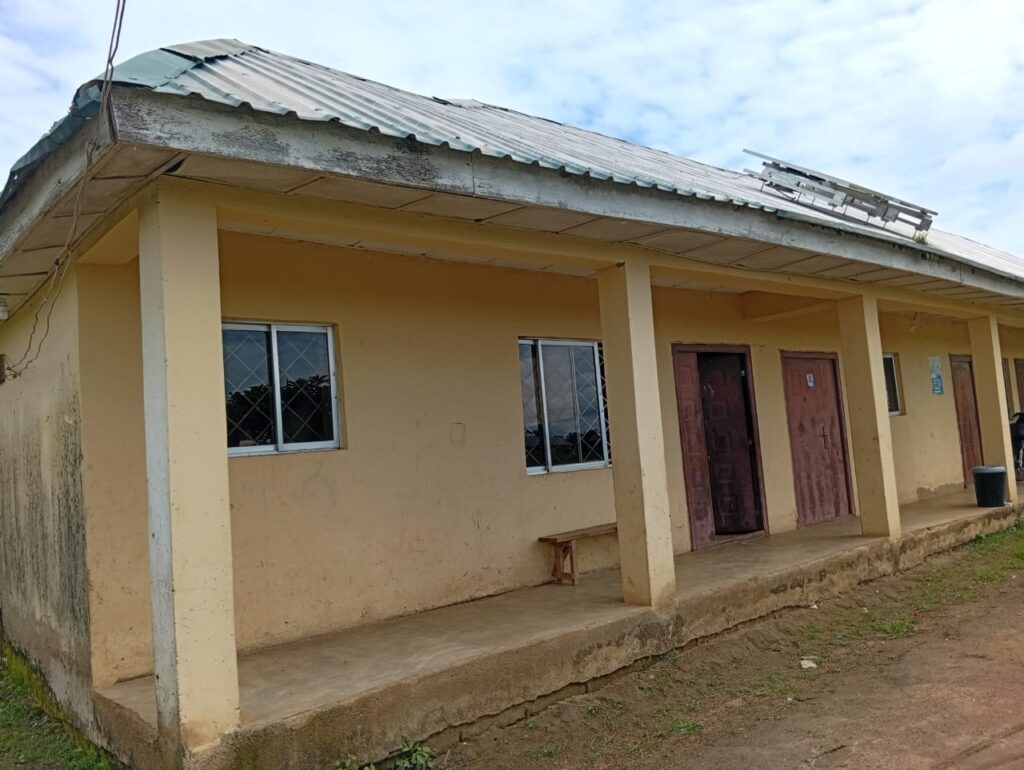
Officer-in-Charge of PHC Chit, Abigail Dafur, said the change was obvious.
“Before this programme, turnout was very low. Some months we did not record a single delivery. But since the intervention began, we recorded as many as 10 deliveries in a month,” she said.
She attributed the increase not only to the additional staff but also to sustained community awareness campaigns.
“We enlightened women through churches, community leaders and other engagements. The response from women has been very encouraging,” Dafur explained.
Yet beneath the success lies an old problem that threatens to undo the gains as the intervention closes out.
Before the intervention, the Chit PHC had only Dafur and a laboratory staff member attending to patients.
“Even now, we only have me and the laboratory officer as permanent staff. I cannot be everywhere at the same time because there are family emergencies and other responsibilities,” she said.
With the project ending in June, the three ad hoc health workers who had eased the burden have left, raising fears that women may once again abandon the facilities for home deliveries.
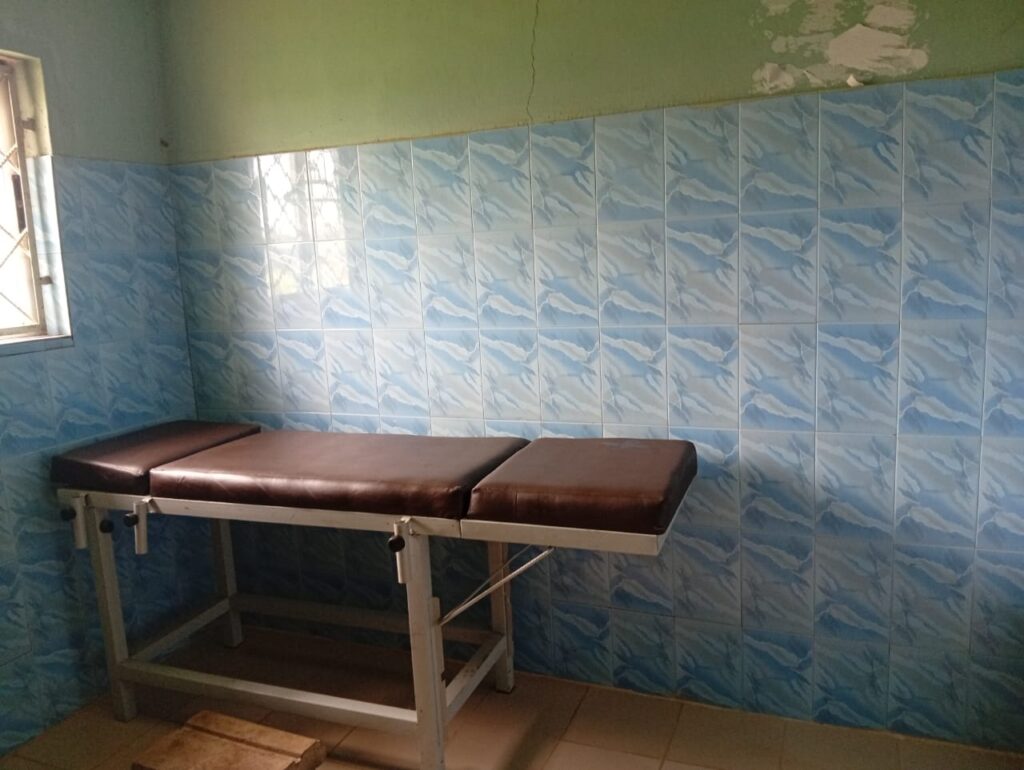
A similar concern exists in neighbouring Gassa.
Officer-in-Charge of PHC Gassa, Maikarfi Gonyok, said the additional personnel transformed healthcare delivery in the community.
“We were having very few women attending the facility before, but because of this project the number increased. We really need these health workers. If they leave, the work will become hectic again,” she appealed.
The Director of Primary Healthcare in Barkin Ladi Local Government, Linda Chuwang, said the intervention strengthened both the health system and community trust.
“We’ve seen how much this programme has positively changed the lives of women in Gassa and Chit. Apart from free consumables and drugs, additional health workers were employed, and we experienced an increase in the influx of patients,” she said.
Chuwang urged the local government to retain the volunteer health workers, warning that “withdrawing now will create another gap in the community.”
The Chief Operating Officer of the Restored Heart Foundation, Jerry Maitaimaki, said the organisation’s goal had always been to reach underserved communities.
“The impact we have made over the last 10 months has been very significant. Beyond seeing the impact of the maternal and child health intervention, we hope everyone will support efforts to ensure this project continues beyond this phase,” he stated.
Representing the Executive Secretary of the Plateau State Primary Health Care Development Board, Dr Raymond Juryit at the close-out ceremony, Director of Primary Healthcare, Nanyak Ladan described the foundation’s contribution as invaluable.
“What Restored Heart Foundation has done cannot be measured because they have supported us positively in the area of human resources for health, as well as the provision of drugs and medical consumables,” he said.
Community members also acknowledged the difference.
Health workers, David Dung from Gassa, and Felicia Gyang from Chit said residents had regained confidence in the health centres because staff, medicines and equipment were readily available.
“We really appreciate this programme and pray that more communities can benefit from it,” Dung stressed.
The short-lived intervention tells a story that behind every facility-based delivery is a family spared the uncertainty of giving birth without skilled health workers and care.
But with the intervention over and staffing shortages resurfacing, residents fear those hard-won gains could quickly disappear unless the Barkin Ladi Local Government and Plateau State Government act to retain the additional health workers and sustain the improvements.
For communities where home births were once the norm, keeping clinic doors open and adequately staffed may be the difference between reversing progress and saving more mothers and newborns.