



For about five decades, the Government Vocational Training Centre for the Blind in Zawan has provided visually impaired persons with education and vocational skills for independent living. But as MARIE-THERESE NANLONG reports, years of neglect, inadequate infrastructure, insecurity and unresolved land disputes are threatening the institution’s ability to fulfil its mandate and exposing students and staff to daily risks
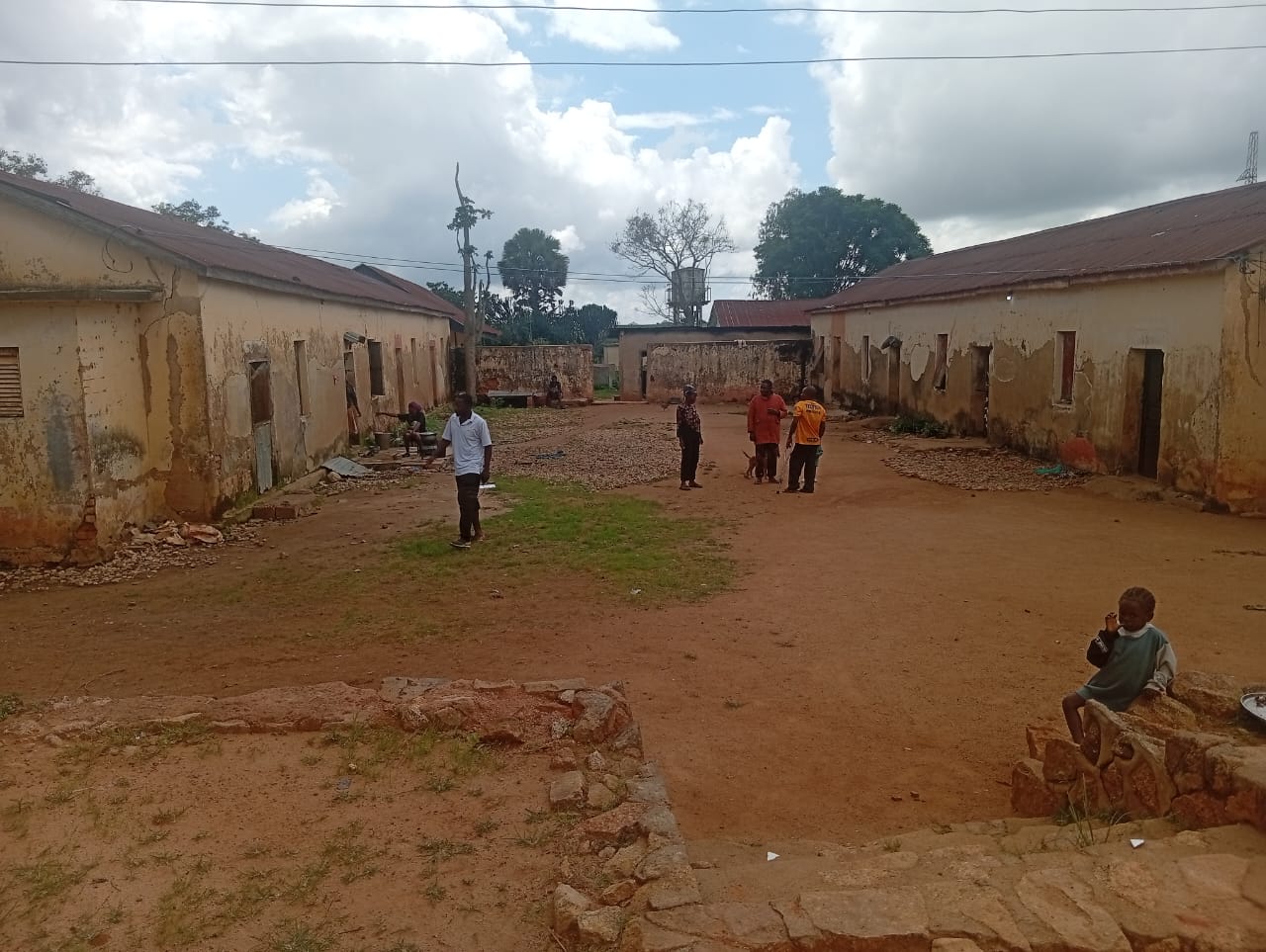
There is no gate to announce anyone’s arrival at the Government Vocational Training Centre for the Blind in Zawan, Jos South Local Government Area of Plateau State.
There is no perimeter fence either; instead, the sprawling premises blend into the surrounding community, leaving visually impaired students and staff exposed to intruders, theft and other dangers.
Established in 1976 to educate and equip blind persons with vocational skills for independent living, the institution continues to fulfil that mandate despite decades of neglect.
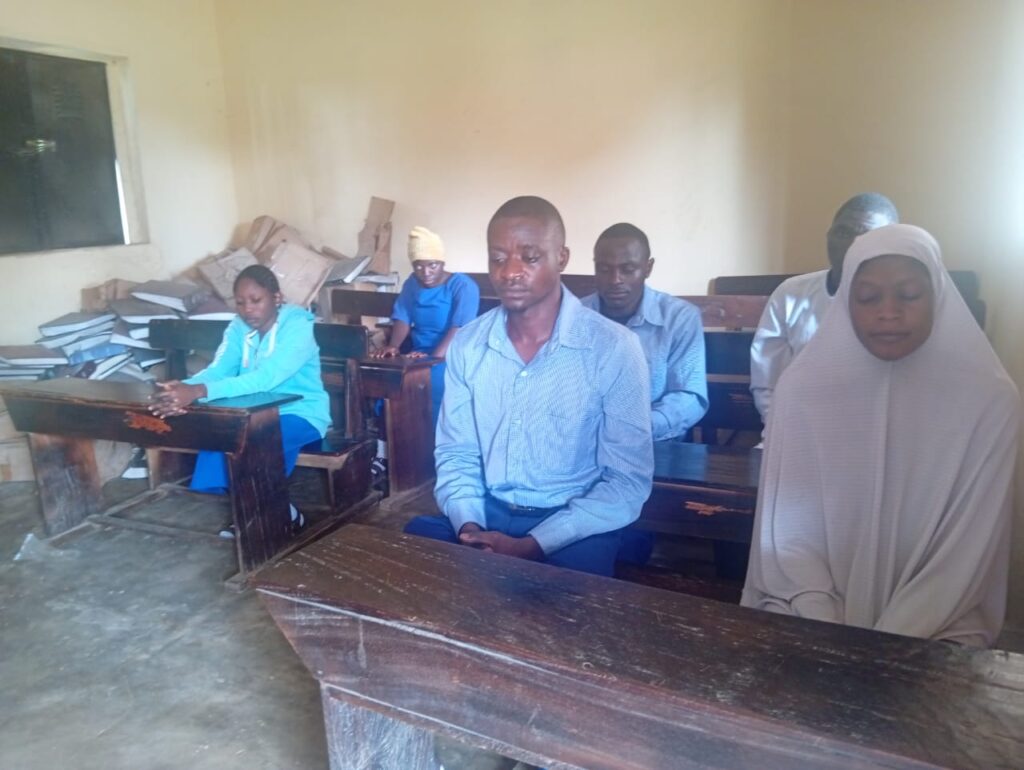
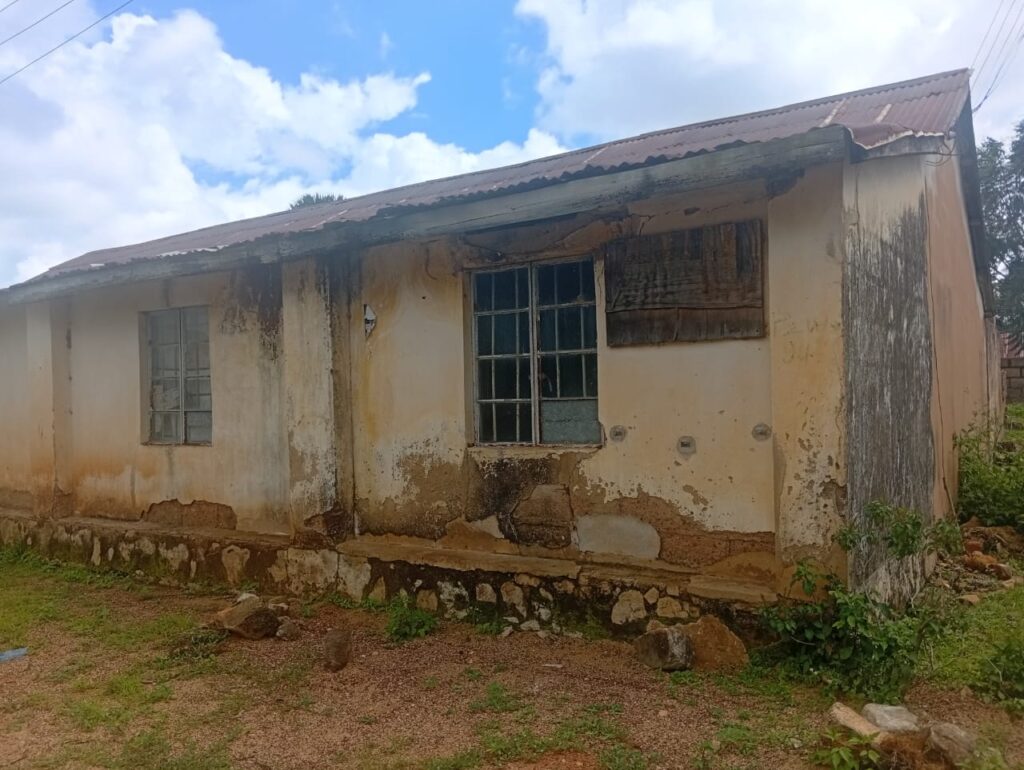
Leaking roofs, deteriorating buildings, encroachment on parts of the school land and inadequate facilities have become part of everyday life, yet lessons continue for the about 20 students currently enrolled at the centre.
The students are taught Braille, Social Studies, Daily Living Skills, including mobility, typing and other subjects.
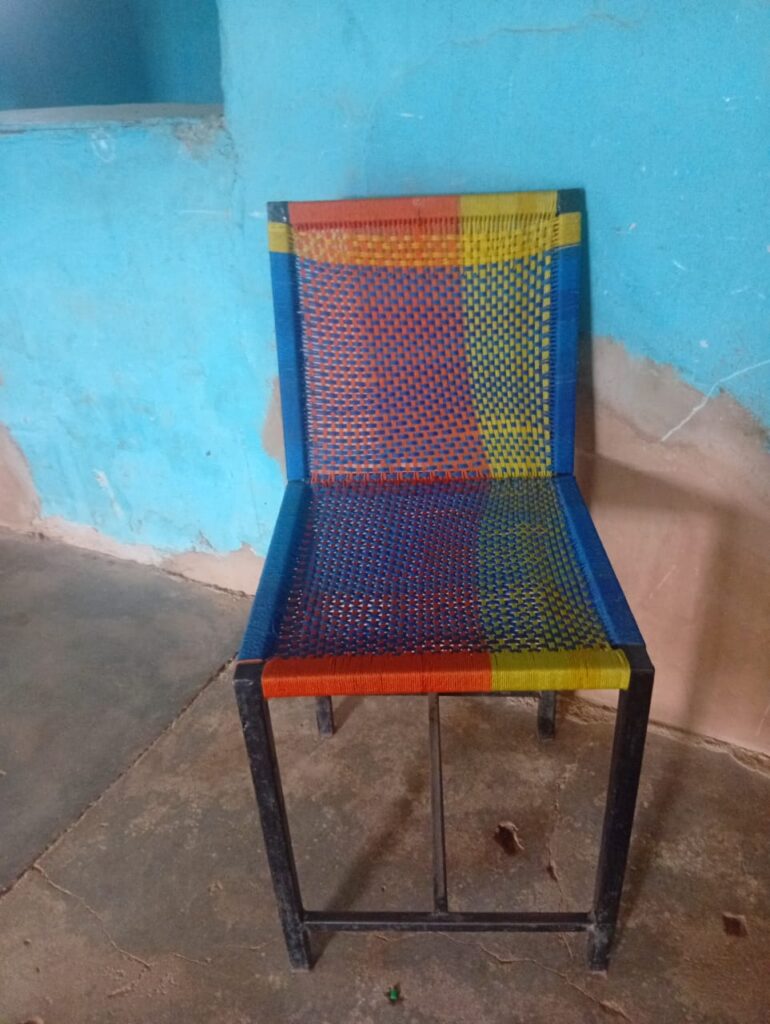
They also acquire practical skills in bead making, soap, petroleum jelly, and disinfectant production, stool making, doormat weaving and bag production, all intended to prepare them for financial independence.
Learning under difficult conditions
For a student who declined to be named, however, learning in such an environment comes with constant anxiety.
“We can make liquid soap, Jelly , beads, purses, bags, stools and foot mats, but this place should be fenced for our safety.
“There is no gate and no security.
“People come in here, steal and go free because we can’t see.
“The place is open and we are at risk,” the student said.
Despite the poor condition of the school, Safiya Musa, who enrolled in May 2026, said the training had given her knowledge and practical skills she hoped would help her become self-reliant.
She said: “Since I came here, I have learnt Braille, typing, agriculture, mobility, home management and Social Studies in the academic section.
“In the craft section, I have learnt bead making, soap making, making of seats and other things.”
For staff members, Musa’s experience reflects the school’s enormous potential, but they say the deteriorating environment discourages many visually impaired people from enrolling.
Rhoda Deshi, a staffer who is also visually impaired, said a better learning environment would encourage more persons with disabilities to acquire vocational skills.
“Having this place in order would have encouraged many persons with disabilities to learn skills and create employment and wealth.
“The porous environment is a discouragement and the lack of adequate able-bodied people to assist us is a minus.”
She explained that the former craft workshop had been abandoned because its roof had deteriorated beyond repair, forcing practical lessons to be relocated elsewhere.
Without a perimeter fence, she added, the school remains vulnerable.
“The place is open. You cannot keep anything because they will steal it.
“We don’t have a fence, so we are vulnerable to everything.
“Snakes enter our rooms.”
She also recalled a past incident in which a University of Jos student on teaching practice at the school was bitten by a snake while staying on the premises.
Land disputes deepen
the challenges
Principal of the school, Nandak Philibus, said the institution continues to provide education despite numerous challenges, including staff maintaining ageing buildings with personal funds by carrying out temporary repairs whenever resources permit.
Outside the classroom, however, she said unresolved land disputes have further complicated efforts to secure the school.
“Those places that do not have buildings, the natives are farming them up to the centre,” she said.
According to her, landowners claiming ownership of the premises continue to cultivate undeveloped sections of the school.
The situation has also become a source of concern for the host community.
Ward Head of Cho Zawan, Da Patrick Mandyeng, said repeated appeals to rehabilitate the institution had yielded little result.
He emphasised that earlier plans to address the school’s challenges were stalled by disagreements over compensation for part of the land.
“The first thing the government should do is settle the compensation and fence the school.
“The place is too open and it is inside the bush,” he said.
Chairman of the Plateau State Disability Rights Commission, Lengnen Jurmang, acknowledged the poor state of the institution and said unresolved compensation claims had delayed plans to construct a perimeter fence.
He explained that while the Commission has budgetary provision for repairs, fencing the school falls under the Ministry of Housing and Urban Development.
Jurmang also disclosed that funds earlier approved for repairs were diverted by a former official but had since been recovered following disciplinary action.
He said he personally inspected the school after receiving complaints about leaking roofs and admitted that the institution had suffered years of neglect.
“Since the inception of that school, no tangible repairs have been done,” he stressed.
He also expressed concern that the unfenced premises expose persons with disabilities to danger, noting that tall crops planted within parts of the compound could provide cover for criminals.
While urging the government to resolve the outstanding issues, he appealed to development partners, organisations and philanthropists to support the rehabilitation of the school.
“We need collaborators that will come and help bring us out of this situation.
“We will really appreciate it.”
Hope for restoration
Commissioner for Housing and Urban Development, Sylvanus Dongtoe, described the condition of the institution as “quite pathetic” and said the ministry would collaborate with relevant stakeholders to assess the facility and recommend the necessary intervention.
He assured that the ministry would work with the Plateau State Disability Rights Commission and other relevant agencies to determine the extent of rehabilitation required to restore the school to a functional and secure condition.
Despite crumbling infrastructure, leaking roofs, insecurity, land encroachment and years of neglect, the institution has remained committed to empowering one of the most vulnerable groups in society through education and skills acquisition.
For the students, members of staff and the host community, however, the school’s survival now depends on more than the resilience of those who teach and learn there.
They believe urgent government intervention is needed to resolve the lingering land disputes, provide a perimeter fence, rehabilitate the deteriorating buildings and create a safe learning environment that reflects the school’s noble purpose.
They also insist that support from development partners, corporate organisations, non-governmental organisations and philanthropists will be crucial to restoring the institution to its former standard.
For them, rehabilitating the Government Vocational Training Centre for the Blind is not merely about repairing ageing structures or replacing leaking roofs.
It is about protecting the dignity, safety and future of visually impaired persons who rely on the institution for education, vocational training and the opportunity to live independently.
About 50 years after its establishment, they say, the centre deserves renewed investment so that it can continue to fulfil its founding mission and give hope to generations of persons living with visual impairment.