


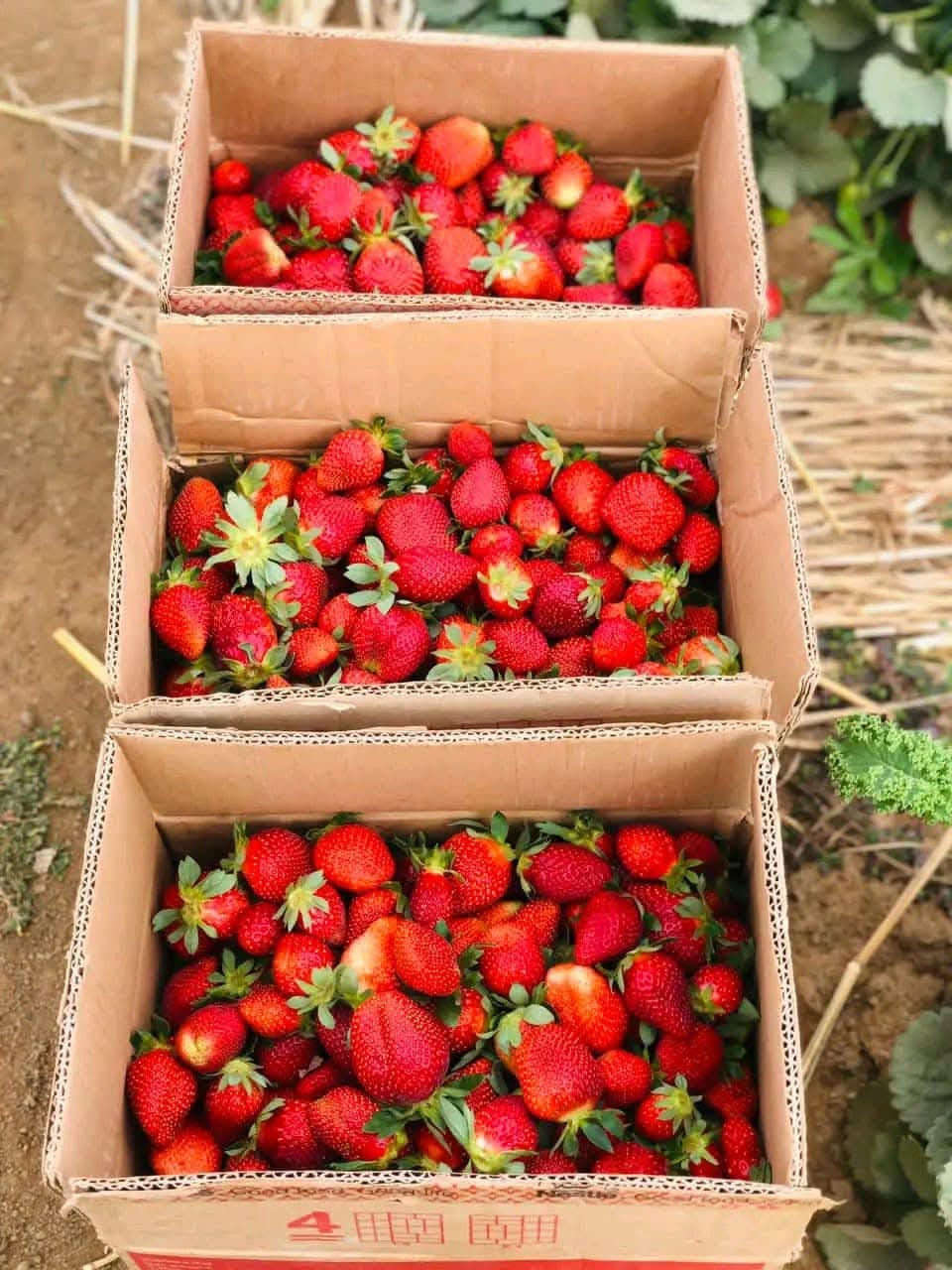

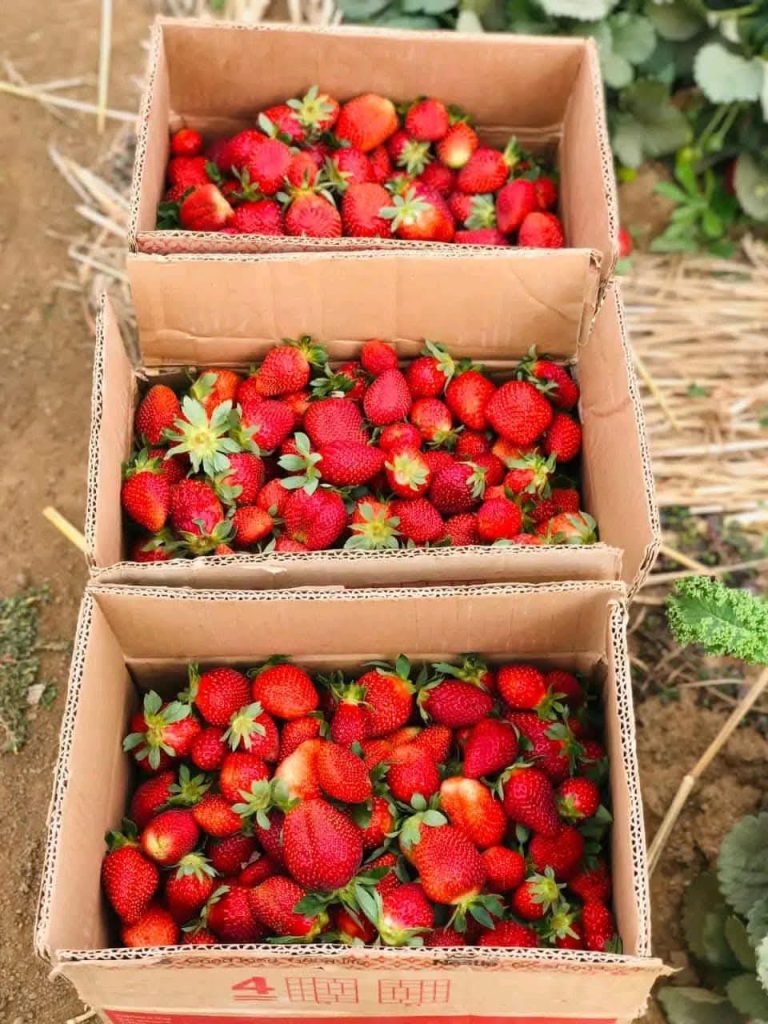
In this feature, BLESSING HOSEA examines how strawberry farming is evolving from a niche agricultural venture into a thriving industry in Plateau State. Drawing on the experiences of farmers, vendors, consumers and nutrition experts, the report highlights the crop’s economic potential, health benefits, tourism value and export prospects, while underscoring the need for greater investment in infrastructure, preservation technology and market development to unlock its full potential
Beyond its breathtaking landscapes and reputation as the ‘Home of Peace and Tourism’, Plateau State is increasingly becoming known for another remarkable asset, its thriving strawberry industry.
Once considered an exotic fruit available only through imports or at premium prices, strawberries are now flourishing on Plateau’s fertile soils, creating new opportunities for farmers, entrepreneurs, processors, transporters and marketers.
The fruit is also drawing attention from nutrition experts because of its immense health benefits, while tourists and visitors are beginning to see strawberry farms as destinations worth exploring, opening fresh opportunities for local and international trade.
From commercial farmers and vendors to consumers and nutrition experts, stakeholders agree that the future of strawberry production in Plateau State is bright.

However, they warn that without adequate investment in logistics, cold-chain infrastructure, preservation technologies and market development, much of the industry’s enormous potential could remain untapped.
For Kyahar Friday, Chief Executive Officer of Walys Berry Agro, strawberry farming is far more than an occupation. It is a lifelong passion.
“I started strawberry farming in 2021, and I must say the journey has been an exciting one. It has given me some of my happiest moments and also challenged me in ways I never imagined,” he explained.
According to him, every farming season presents new lessons that continue to sharpen his knowledge and improve his business.
“There’s a unique feeling that comes with watching a plant you’ve nurtured from a young seedling begin to flower and eventually produce bright, healthy fruits. Seeing customers enjoy the strawberries and appreciate the quality makes all the effort worthwhile.”
Since venturing into the business, Walshak said he has trained aspiring farmers, built strong partnerships and witnessed increasing interest in strawberry cultivation across Nigeria.
“Looking back to where I started in 2021, I can confidently say strawberry farming has been more than just a business for me; it has become a passion and a platform to inspire others that agriculture can be innovative, rewarding and full of opportunities when approached with dedication,” he enthused.
Beyond individual success stories, strawberry farming is emerging as a significant contributor to Plateau State’s economy.
Walshak believes the state’s unique climate gives it a competitive advantage over many parts of Nigeria.
“Strawberry farming has enormous economic value for Plateau State because it is one of the few places in Nigeria with the right climate to produce strawberries successfully.”
He explained that the industry creates opportunities not only for farmers but also for nursery operators, farm workers, transporters, retailers, supermarkets, hotels, restaurants and tourism businesses.
One remarkable development, according to him, is the growing influence of digital marketing.
“About 90 per cent of our customers place their orders online through our social media platforms, referrals, WhatsApp and phone calls. This shows that the market is no longer limited by location.”
He added that anyone with digital marketing skills can participate in the value chain by distributing strawberries nationwide, even without owning a farm.
Challenges, value addition
Despite its growing popularity, strawberry farming remains a delicate and demanding enterprise.
Walshak identified rising production costs, limited access to quality seedlings and the absence of an efficient cold-chain system as major constraints.
“Because strawberries are highly perishable, harvesting, packaging, storage and transportation all have to be done efficiently to maintain quality.”
He also expressed concern over limited cargo flight options from Yakubu Gowon Airport, saying improved air transportation would significantly reduce post-harvest losses.
“Strengthening both road infrastructure and cargo-friendly air transport, alongside investment in cold-chain logistics, will greatly reduce post-harvest losses—not only for strawberries but for many other agricultural products.”
For strawberry farmers, preservation is not merely an option but a necessity.
Walshak explained that proper handling begins immediately after harvesting.
“Strawberries are delicate fruits, so they must be harvested carefully and kept away from direct sunlight.”
He revealed that pre-cooling before packaging has helped maintain product quality, while refrigeration remains the best option for short-term storage.
For longer preservation, he recommends freezing and dehydration.
“Another method I believe has great potential in Nigeria is dehydration. Dehydrated strawberries have a much longer shelf life, are easier to transport, and retain much of their flavour and nutritional value.”
He also advocates processing strawberries into jams, syrups, juices, yoghurt, ice cream and other value-added products to minimise waste and increase farmers’ income.
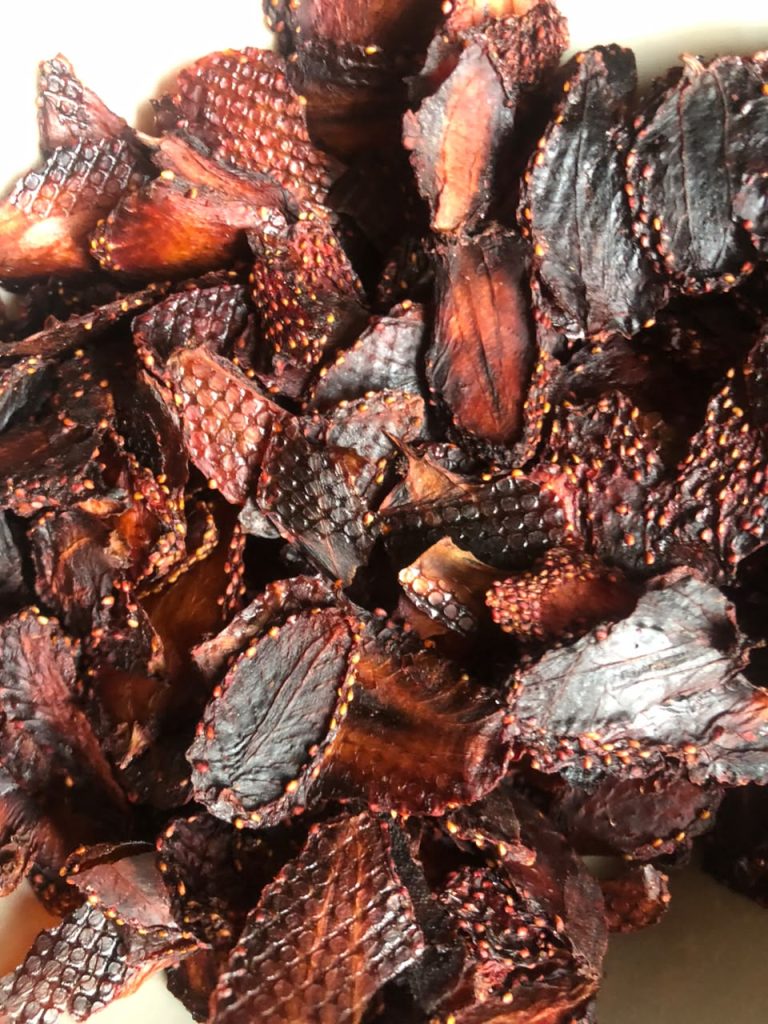
One innovation Walshak strongly promotes is the production of strawberry flakes.
He described strawberry flakes as dehydrated strawberries that preserve much of the fruit’s natural flavour, aroma, colour and nutritional value.
“Products like strawberry flakes also represent an opportunity for value addition. Instead of allowing excess harvest to spoil during peak production, the fruits can be processed into flakes, creating another source of income while reducing food waste.”
He believes value addition will become one of the defining features of the future of the strawberry industry in Plateau State.
Growing demand, health benefits
For Kangsuk, founder of Naturesip Elixir Drink, strawberries have become an important source of livelihood.
She began selling strawberries in 2023 while searching for additional income opportunities.
“The decision to venture into the strawberry business was driven by both necessity and opportunity.”
She observed that although many customers know strawberries are healthy, awareness of their complete nutritional value remains limited.
“Most customers are aware that strawberries are rich in Vitamin C, but fewer know they also contain antioxidants that help fight inflammation, support heart health and aid digestion.”
She noted that customer education directly influences sales.
“When customers are informed about these additional benefits, they tend to show more interest and are sometimes encouraged to buy more.”
To policymakers, her message is straightforward.
“Invest in rural road networks, provide accessible cold storage facilities and support affordable preservation technologies. These are not luxuries; they are necessities.“
A consumer, Chomo Jah, believes Plateau’s climate makes the state naturally suited for strawberry cultivation.
“The cool climate of the Jos Plateau, our high altitude and moderate temperatures are perfect for strawberries.”
He noted that communities around Chaha and Vom have increasingly embraced strawberry farming.
Having learnt from David Musa of APIS Interactive Network, who supplies bees for pollination, Chomo explained that successful cultivation depends on fertile, well-drained soil, careful watering and effective pest management.
He observed that public perception has also changed significantly.
“In the past, it was seen as something for the elite or imported, but now with local production, more families buy it fresh from farms or markets.”
He added that farm tourism is gradually becoming part of the strawberry industry, with visitors eager to harvest fruits directly from the fields.
“It proves that with our unique climate, Plateau can lead in high-value fruits.”
Another consumer, Nancy Majekodunmi, described strawberries as an essential ingredient in both her home and business.
She uses them in smoothies for her children, cake toppings, yoghurt, cream cake fillings and doughnuts. Her family also enjoys locally produced strawberry jam.
From an investment perspective, she sees enormous promise.
“If properly maintained, the same plant can have three seasons in a year. This is a fruit that is somehow expensive and to have three seasons in a year means good money too.“
Registered dietitian Julian Dadzie, practising at the Jos University Teaching Hospital (JUTH), believes many misconceptions still surround strawberries.
“One of the misconceptions people have is that strawberries are high in sugar. They are actually classified as fruits with a low glycaemic index.”
She explained that strawberries are rich in Vitamin C, antioxidants and dietary fibre, making them beneficial for immunity, skin health and blood sugar control.
“There’s a growing number of people living with diabetes mellitus. Strawberries are highly recommended because of their fibre content and low glycaemic index.”
However, she cautioned against adopting a one-size-fits-all approach.
“It is important to speak to your healthcare provider. Most times, it is not avoidance but limiting.”
She also lamented that many residents remain unaware of the fruit’s nutritional value.
“I think strawberries are very good fruits and we are lucky we have them here in Plateau State. Although I don’t think a lot of people are aware of their benefits, hence underutilisation.”
Positioning Plateau for export
Industry stakeholders agree that Plateau possesses the natural advantage needed to become Nigeria’s leading strawberry-producing state.
With improved grading systems, standard packaging, food safety compliance, efficient transportation and expanded cold-chain infrastructure, locally grown strawberries could compete successfully in regional and international markets.
Walshak believes export opportunities to neighbouring West African countries are already emerging, but sustained collaboration among farmers, investors and government will be essential to unlock the industry’s full potential.
What is unfolding across Plateau State is more than a farming success story. It is a powerful reminder that agriculture can simultaneously nourish communities, create employment, stimulate tourism, inspire entrepreneurship and strengthen the economy.
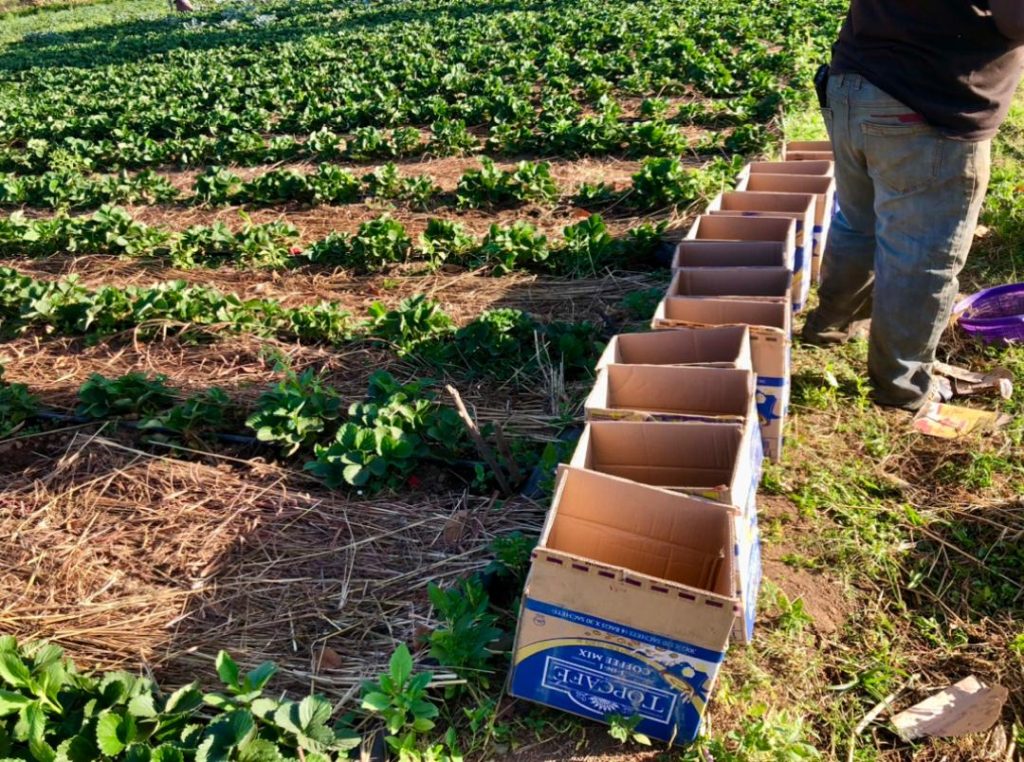
As awareness continues to grow, strawberries are no longer viewed as a luxury fruit reserved for a privileged few. They are increasingly becoming a symbol of innovation, resilience and economic opportunity.
With the right investments in infrastructure, preservation technologies and value addition, Plateau’s ‘red gold’, even more than tin mining, could soon become one of Nigeria’s most celebrated agricultural success stories, bringing prosperity to farmers, healthier choices to consumers and global recognition to the state, the renowned Home of Peace and Tourism.