



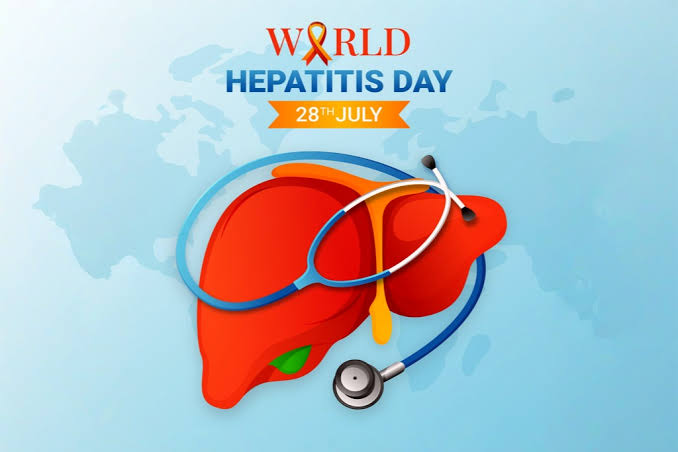
As the world marks World Hepatitis Day 2026, LENGMI LUMI calls for stronger collaboration to eliminate viral hepatitis by breaking down the barriers that hinder prevention, testing and treatment. He argues that sustained government commitment, increased public awareness and improved access to healthcare are essential to reducing the burden of the disease and achieving a hepatitis-free society
Every year on July 28, the global community commemorates World Hepatitis Day to raise awareness about viral hepatitis, promote prevention, encourage testing and treatment, and renew the commitment to eliminating the silent but deadly disease.
The theme for this year’s observance, ‘Hepatitis: Let’s Break It Down’, calls on governments, healthcare professionals, communities, civil society organisations and individuals to dismantle the barriers preventing the elimination of viral hepatitis.
These barriers include stigma and discrimination, poor access to testing and treatment, inadequate funding and weak healthcare systems that continue to leave many people without the care they need.
The 2026 observance serves as another reminder that viral hepatitis remains one of the world’s leading public health challenges.
According to the World Health Organization (WHO), about 304 million people are living with chronic hepatitis B or C, while more than 1.3 million people die annually from hepatitis-related complications. Nigeria and many other African countries continue to account for a significant share of this burden.
In Plateau State, viral hepatitis remains a major public health concern. Many infected persons are unaware of their status because the disease often progresses silently for years before symptoms appear.
Consequently, many patients only seek medical attention after developing severe complications such as liver cirrhosis and liver cancer.
Government’s commitment to expanding access
The encouraging news is that viral hepatitis is preventable, treatable and, in many cases, curable. Vaccination against Hepatitis B provides effective protection, while early testing and prompt treatment can prevent severe liver disease and save lives.
The Plateau State Government, through the Ministry of Health, remains committed to reducing financial barriers by expanding access to affordable testing and treatment.
It is also leveraging the Plateau State Contributory Healthcare Management Agency (PLASCHEMA) to reduce out-of-pocket healthcare expenses for residents.
The government is equally addressing geographical barriers by bringing hepatitis services closer to communities through primary healthcare facilities. It is strengthening hepatitis B birth-dose vaccination and antenatal screening to close prevention gaps, while ensuring that everyone who tests positive is linked to appropriate care.
Efforts are also being intensified to strengthen the health system through improved availability of essential medicines, medical commodities, trained personnel and reliable health data. At the same time, public awareness campaigns are being expanded to reduce stigma and protect people living with hepatitis from discrimination.
The Ministry of Health says it will continue to collaborate with development partners, civil society organisations, healthcare institutions and community leaders to achieve these objectives.
A collective responsibility
As the world commemorates World Hepatitis Day 2026, residents are encouraged to know their hepatitis status by getting tested, receive the hepatitis B vaccine if eligible, adopt safe health practices and support people living with hepatitis without stigma or discrimination.
By collectively breaking down the barriers to prevention, testing, treatment, care and accountability, society can eliminate viral hepatitis, reduce cases of liver cirrhosis and liver cancer, and build a healthier Plateau State for present and future generations.
Lumi is the Information Officer, Plateau State Ministry of Health