



Sports inspire passion, loyalty and identity, but they also reveal how emotions shape human behaviour. In this analysis, PANKYES MAURICE examines why many football supporters changed their allegiances during the 2026 FIFA World Cup, arguing that star players, national identity, team success and the influence of social media all played significant roles in reshaping fan loyalty
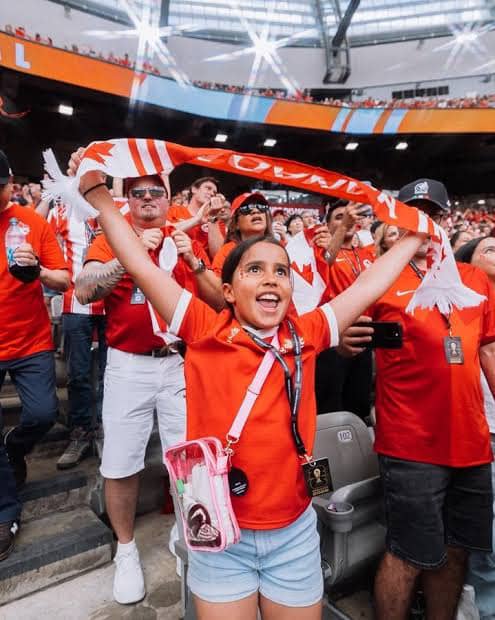
The 2026 FIFA World Cup was not only a competition among nations but also a contest for the hearts of millions of football supporters across the globe. As teams were eliminated, an interesting trend emerged, with many fans switching their support to other countries, embracing new favourites and following fresh storylines. This raised an important question: what makes supporters abandon one team for another? Is it the influence of star players, the likelihood of winning, national identity or simply the excitement generated by the tournament?
The changing fan base during the 2026 World Cup highlights an important reality about modern football. Supporters do not always choose teams for a single reason. Their decisions are influenced by emotions, personal connections, impressive performances and the personalities of the players representing each nation.
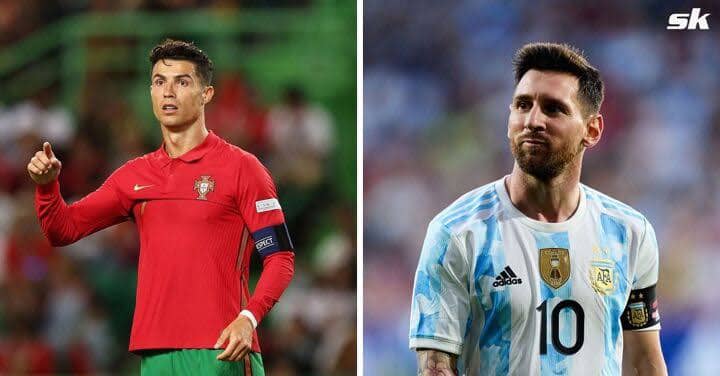
Many supporters followed Portugal because of Cristiano Ronaldo, while others supported Argentina because of Lionel Messi. In such cases, their attachment was initially to the player rather than the country. According to research cited by the writer, a YouGov study on sports fandom found that famous athletes significantly influence people’s interest and loyalty because supporters often connect with their personalities, achievements and personal stories.
This explains why many fans continue following a player’s journey regardless of the team or country they represent. Football stars have become global icons whose talent, leadership and public image attract supporters who may never have previously followed a particular national side.
Identity beyond football
A young admirer of a football star may eventually develop an emotional attachment to that player’s national team during a major tournament. In this way, the player becomes the bridge between the fan and the country.
However, star players are only one part of the story. Many supporters remain loyal because of national identity, family heritage, culture and personal history.
Sports psychologists, Daniel Wann and Nyla Branscombe, argue in their research on team identification that supporters develop strong emotional ties to teams because they represent belonging, pride and personal identity.
This explains why many fans remain committed to their countries despite disappointing results. For such supporters, football goes beyond winning trophies. It reflects family traditions, shared memories and national pride.
Success attracts new supporters
Another major factor influencing changing support is success on the pitch. During the World Cup, teams that performed well naturally attracted greater attention from football lovers around the world.
Research by Wang, Zhang, Han and Lv, titled, ‘Jump on the Bandwagon?’, found that successful teams often gain temporary supporters because winning generates excitement and gives people the feeling of being part of a memorable occasion.
This trend was evident throughout the 2026 World Cup. As leading nations were eliminated, many supporters shifted their loyalty to teams that remained in contention. While some preferred tournament favourites because they were more likely to lift the trophy, others rallied behind underdogs inspired by unexpected victories and compelling stories.
Social media also contributed significantly to this changing pattern. Online discussions, viral moments and the opinions of friends influenced supporters’ decisions. Teams that generated excitement on digital platforms quickly attracted followers from different parts of the world.
Football has become increasingly global, allowing fans separated by thousands of kilometres to experience tournaments together in real time.
A temporary shift in loyalty
Changing support during a tournament does not necessarily mean abandoning long-term loyalty. The writer notes that Wang and Lv’s later study, Jump off the Bandwagon?, found that many temporary supporters eventually returned to their original teams once the excitement of the competition had ended.
This suggests that supporters can maintain a lifelong favourite while temporarily embracing another team during a major international tournament.
Ultimately, changing allegiances during the 2026 World Cup should not automatically be viewed as a sign of disloyalty. Football creates powerful emotional connections, and supporters naturally gravitate towards players, teams and stories that inspire them.
Whether cheering Ronaldo’s Portugal, Messi’s Argentina, a tournament favourite or an underdog, every choice reflects a different aspect of why people love football.
The changing fan base witnessed during the 2026 World Cup demonstrated that football is about far more than goals and trophies. It is about identity, hope, inspiration and human connection. As one team’s journey ends, another often gains new followers because football continually creates fresh stories that capture the imagination of supporters around the world.