



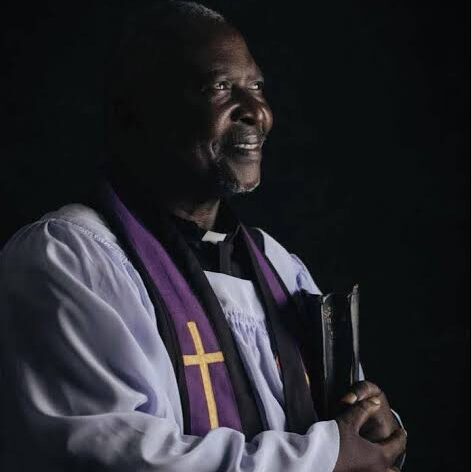
THE recent massacre of nine members of the extended family of Rev. Ezekiel Dachomo in Kum community, Riyom Local Government Area of Plateau State, is not merely another tragic headline in the grim catalogue of violence that has scarred Plateau and the wider Middle Belt in more than a decade now. It is a searing indictment of a nation that has repeatedly failed to protect its citizens, enforce the rule of law and confront the forces that continue to terrorise vulnerable communities with terrifying impunity.
THAT an innocent two-month-old baby was among those slaughtered should shock the conscience of every Nigerian. That the attackers reportedly asked for Rev. Dachomo by name before opening fire on his relatives reveals a chilling level of calculation and confidence. This was neither an accidental ‘clash’ (as those who always wish obfuscate the truth want the world believe) nor the unfortunate by-product of a communal dispute. It was, by every indication available, a targeted act of terror by suspected Fulani militia who have freely laid siege to these and other communities for many years now.
THE United States Government was right to describe the killings as horrific and to insist that Nigeria must do more to protect vulnerable communities and bring the perpetrators to justice. In fact, what happened in Riyom is not an isolated incident. It is part of a long, widespread and painful pattern that Plateau communities have endured and lamented for years.
FOR far too long, communities across the state have consistently alleged that the attacks ravaging their villages are carried out by heavily armed Fulani herdsmen or militia groups. Village after village has been attacked, homes razed, farms destroyed and innocent men, women and children butchered, often in cold blood. Yet, despite countless funerals, official visits, condolence messages and security deployments, Nigerians are still waiting for the day when those responsible will be identified, arrested, prosecuted and punished. Unfortunately, the question that has haunted Plateau for years remains unanswered: Why has so little accountability followed so much bloodshed?
THE reported threats made directly to Rev. Dachomo make the situation even more disturbing. According to the cleric, the attackers warned him that he would be their next target because of his outspoken condemnation of the persistent attacks on Plateau communities. If armed men can openly threaten a prominent religious leader after massacring his family, and do so with apparent confidence that they will remain beyond the reach of the law, then something is fundamentally broken in our security and justice architecture.
CERTAINLY, such audacity does not emerge in a vacuum. It suggests that these criminal forces have become increasingly emboldened over the years. As such, it raises the disturbing possibility that they believe they enjoy protection, patronage or, at the very least, the assurance that they are unlikely to face serious consequences. Whether that confidence comes from powerful sponsors, weak institutions, compromised security structures or chronic government inertia, the result is the same: innocent Nigerians continue to die while their killers continue to roam free and openly boast about their bloody exploits, without any consequance.
WHAT is perhaps most alarming is the gradual normalisation of these atrocities. Communities are attacked, condolences are issued, security operations are announced and, before long, another village is mourning its dead. This cycle has become so familiar that the nation risks losing its capacity for outrage and compassion. The Nigerian government must understand that security is not measured by the number of military operations announced, but by whether citizens can sleep in their homes without fear of being murdered in the middle of the night. Sadly, in too many parts of Plateau State and the Middle Belt, that basic guarantee has collapsed.
THIS persistent violence has achieved another objective that cannot be ignored: the displacement of indigenous communities from their ancestral lands. Entire villages have been emptied. Farmlands have been abandoned. Families have become refugees in their own country. Whether by design or by consequence, this pattern of displacement has become one of the defining features of the crisis across large parts of Plateau State and the broader Middle Belt.
THE NIGERIA STANDARD has repeatedly argued that no society can endure when criminals kill with impunity and victims are left to bury their dead while waiting in vain for justice. The blood of Rev. Dachomo’s family cries out not only for sympathy, but for accountability. Therefore, we urge the Federal Government to move beyond routine expressions of concern and undertake a credible, transparent and uncompromising investigation into this massacre. The perpetrators must be identified, arrested, prosecuted and punished in accordance with the law.
SECURITY must be strengthened in vulnerable communities, intelligence gathering improved and the networks that sustain these armed groups dismantled. The international concern expressed by the United States should not be dismissed as interference. It should be received as a sobering reminder that the world is watching a tragedy that Nigerians themselves have witnessed for far too long. Every citizen, regardless of ethnicity, religion or place of origin, has a constitutional right to life, security and freedom from persecution.
REV. Dachomo has buried a grandmother, an uncle and now nine members of his extended family. No Nigerian should have to pay such a price for speaking out against violence. If the state cannot protect a man whose only weapon is his voice, what hope remains for ordinary villagers with no platform and no protection? The time has come for the Federal Government to demonstrate that the lives of Plateau’s people matter as much as those of any other Nigerians. The killers must be brought to justice. The communities under siege must be protected. And the long and terrifying night of impunity that has hung over Plateau State for too many years must finally come to an end.