


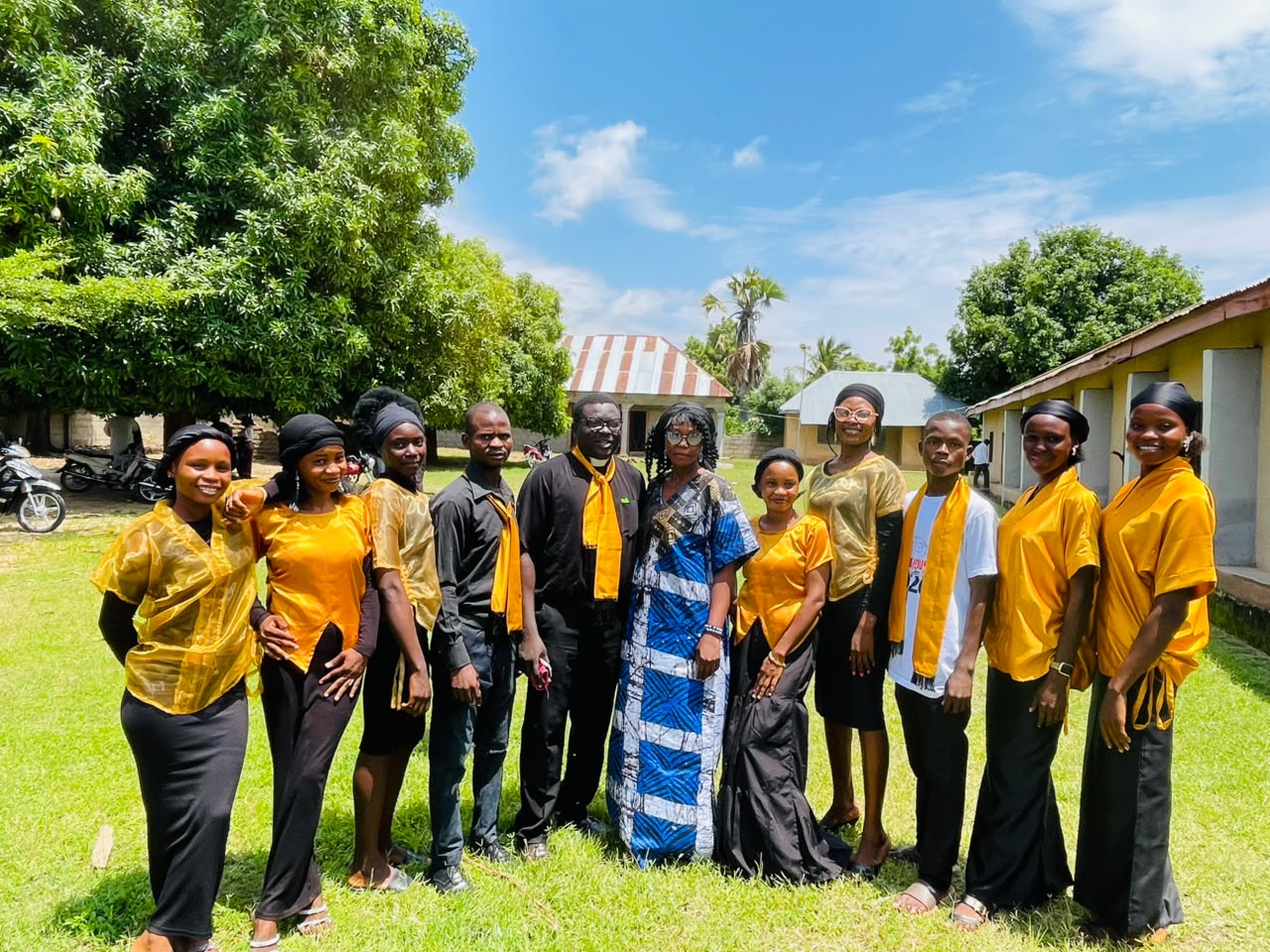

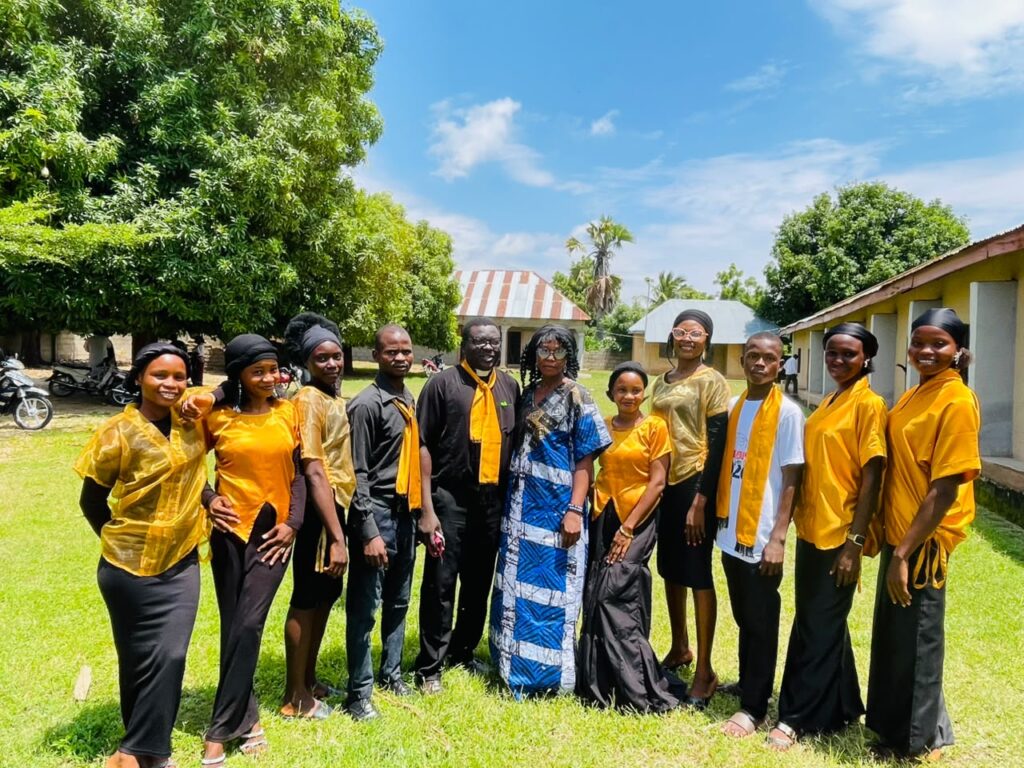
At a time when young people are navigating the pressures of identity, morality and purpose, BLESSING HOSEA explores a message from the 2026 International Youth Week of the Church of Christ in Nations (COCIN) that places grace, self-examination and knowledge of Christ at the heart of Christian living. Through a sermon, drama, testimonies and reflections from participants, the programme presented grace not as permission to remain in sin, but as an opportunity for transformation and a call to live with greater discipline and purpose
For centuries, humanity has grappled with the inevitability of death and the question of what lies beyond it. While death remains a mystery that awaits every living person, religious faith offers different interpretations of its meaning — whether as an end or a transition into another existence shaped by one’s choices, beliefs, lifestyle and relationship with God.
For Christians, however, the message of grace offers another dimension: condemnation does not have to be the final chapter of a person’s life when that life is centred on Jesus Christ.
This message formed the centre of a sermon delivered during the 2026 International Youth Week of the Church of Christ in Nations (COCIN) at the Local Church Council (LCC), Mindim, Regional Church Council (RCC), Langtang, where the church’s leading pastor, Rev. Hosea Mallam, challenged young people to embrace knowledge of Christ and yield themselves to the transforming power of God’s amazing grace.
The 2026 Youth Week, held under the theme, ‘The Amazing Grace of God’, became an opportunity not only for celebration but also for deep reflection on sin, judgement, forgiveness, reconciliation and the responsibility of young Christians to live purposeful lives.
Drawing from John 8:1–11, Rev. Mallam focused his sermon on the encounter between Jesus Christ and the woman caught in adultery, under the topic, ‘Neither Do I Condemn You’.
According to him, the Biblical account provides a powerful illustration of how God’s grace intervenes when humanity is faced with condemnation.
“The grace of God manifested to save humanity from condemnation and bring reconciliation between God and the human race,” he said.
From condemnation to the transforming power of grace
Rev. Mallam challenged the congregation to see themselves in the woman who was brought before Jesus rather than merely as observers of her wrongdoing.
“We, like the woman caught in adultery, have been caught in all manner of sin,” he stated.
He drew attention to what he described as a glaring inconsistency and cultural bias in the account, particularly the decision to bring the woman forward for condemnation while the man involved in the same act was not similarly subjected to public judgement.
The pastor used the incident to expose what he described as the human tendency to magnify the sins of others while overlooking personal shortcomings.
He urged believers to “look in the mirror” and recognise their own need for grace.
“Only then will they be able to understand the role of grace fully,” he emphasised.
He posed a thought-provoking question to the congregation: “What will happen when the law and grace collide at the feet of Jesus?”
For Rev. Mallam, that encounter represents one of the central tensions in the Christian understanding of redemption, where sin carries consequences but grace provides an opportunity for restoration and reconciliation.
He warned that self-righteousness can become a major barrier between people and the grace they desperately need.
“Self-righteousness has blinded many and denied them access to grace,” he lamented.
He also cautioned Christians against assuming the position of God by condemning others, arguing that those who are conscious of their own shortcomings should approach sinners with humility rather than superiority.
In one of the sermon’s striking expressions, he said, “Sin is a height you have to climb to see the sins of another.”
The statement was a call for self-examination before judgement.
Rev. Mallam further challenged believers to reconsider the way they respond to people who have fallen into sin.
“If Jesus has not condemned anyone yet, don’t become the judge to condemn people,” he declared.
He asked the congregation to examine themselves through a series of searching questions: “Are you holding a stone right now, ready to condemn someone? Are you standing in the way to stop someone from accessing grace?”
The questions echoed the Biblical scene in which those who were ready to stone the woman were confronted by Jesus and forced to examine their own lives.
According to the pastor, Christians must understand that the ability to identify wrongdoing in another person does not make them righteous.
“The eyes of Jesus see the sins of all men more than we do; we should stop judging,” he said.
Rather than becoming agents of condemnation, he encouraged Christians to embrace what he described as a “ministry of reconciliation”.
“God has called us to a ministry of reconciliation, not to a ministry of judgement. As long as you still live, you have hope to make it right with God,” he added.
While emphasising God’s grace, Rev. Mallam did not present grace as an excuse for continuing in sin.
He reminded the youths that life through grace presents an opportunity to turn back to God, but that the opportunity should not be taken for granted.
“The day you die in sin without accepting Jesus, then you will face judgement,” he warned.
He explained the Christian understanding of redemption by stressing humanity’s inability to earn salvation through personal merit.
“We deserve death because of our sins, but God took upon Himself our garments of sin and gave us His garment of righteousness to redeem us,” he said.
The sermon, therefore, presented grace not merely as freedom from punishment, but as God’s intervention to restore people to a right relationship with Him.
The pastor concluded with a question that challenged the congregation to reconsider how they perceive those who have fallen:
“If I have been saved by grace that I did not merit, why should I view the same grace as incapable of saving another who is a sinner like myself?”
Youth turn the message of grace into a personal challenge
The message of grace was reinforced through a drama presentation by the youths.
The performance practically portrayed the concept of mercy and demonstrated how, in the Christian understanding of salvation, God through Christ stands in the gap for those who believe.
The young performers used the presentation to reinforce the central message that God’s grace remains available to humanity.
Quoting Scripture, they reminded the congregation: “For all have sinned and fallen short of the glory of God.”
The youths concluded that grace is at the heart of God’s relationship with humanity, describing it as “the story of God” and affirming that “grace is God’s personality”.
For participants, the 2026 Youth Week was not merely an annual church programme. It became a period of personal reflection, spiritual awakening and renewed commitment.
Several youth interviewed after the programme expressed gratitude for the theme and said the activities challenged them to improve their relationship with God by growing in grace and knowledge of Christ.
For Jattip Poyi, the Youth Leader of LCC Mindim, the programme demonstrated the importance of giving young people a meaningful place within the church.
He expressed enthusiasm about the level of youth participation and said, “Youths should be active participants in serving God, as they enjoy the grace He provides.”
Reflecting on the programme, Poyi observed significant changes in the way young people participated.
“I observed a lot of changes as youths were the focus, with a grand procession and liberty to express skills and freedom in God’s presence,” he said.
He stressed that the future of the church depends substantially on how today’s young people are nurtured.
“Tomorrow’s church begins with the youths today. They should be taught with all commitment and involved fully,” he added.
For some participants, the message went beyond inspiration and became a personal call to change.
Pam David, one of the youths who participated in the programme, described the 2026 Youth Week as unusually impactful.
“I have never seen a Youth Week as impactful,” David said.
According to David, the message challenged him to reconsider some of his previous actions.
“I made a U-turn from many bad things I do because of the message of God through His servant. I see myself wandering and now, I am committed to having a change of heart.”
His testimony reflects one of the central expectations of the Youth Week: that exposure to God’s word should produce practical transformation rather than remain merely a religious experience.
Another participant, Nannyi Tyem, reflected on the universality of human sin and the availability of divine grace.
She appreciated what she described as the power of grace to reverse condemnation.
“We are sinners from initial, but God’s grace found us. Grace always abounds no matter how far you have gone,” she said.
The statement captured the central message of the programme — that a person’s past should not necessarily determine their future when they respond to God’s call for repentance and transformation.
Another youth participant commended Rev. Mallam for his approach to youth ministry.
“Our Reverend is passionate about the youths growing in the knowledge of God. He teaches, encourages and dances with us, pointing us more to grace than condemnation,” she said.
She also encouraged young people to take fellowship seriously.
“Youth fellowship allows growth and youths should stop shying away from fellowship,” she added.
Knowledge, discipline, the challenge before today’s youth
The emphasis on grace was complemented by a call for personal discipline and responsible Christian living.
A retired reverend, Sunday Barko, reviewing the 2026 Youth Week, urged young people to combine faith with discipline, obedience and hard work.
His message suggested that receiving grace should not lead to complacency. Rather, young Christians are expected to respond to God’s grace through responsible choices, obedience, diligence and a life of purpose.
Beyond the activities, sermons, drama and testimonies, the 2026 COCIN Youth Week presented a broader challenge to young people: to understand that grace is not a licence for irresponsibility but an invitation to transformation.
In a world where young people are increasingly exposed to competing values, social pressure, moral confusion and distractions, the call to grow in the knowledge of Christ carries particular significance.
Knowledge, in this context, goes beyond academic achievement. It involves understanding one’s faith, recognising personal weaknesses, making informed moral choices and developing the discipline to live according to one’s convictions.
The message of the Youth Week, therefore, placed two important responsibilities before young Christians: to receive grace and to grow in knowledge.
Grace offers the opportunity to begin again, while knowledge provides the understanding required to walk responsibly in that new direction.
The story of the woman in John 8 also presents a warning against the destructive culture of condemnation. It challenges believers to examine themselves before casting judgement on others and to become channels through which broken people can encounter restoration.
For the youth of LCC Mindim, the 2026 International Youth Week ultimately became a reminder that their present choices have implications for the future of both their lives and the church.
The message was clear: no one should use another person’s past to deny them the possibility of a transformed future.
And as Rev. Mallam’s closing question continues to resonate, it places the responsibility squarely before every believer:
“If I have been saved by grace that I did not merit, why should I view the same grace as incapable of saving another who is a sinner like myself?”
For a generation searching for identity, purpose and direction, the answer may lie not in condemnation, but in the willingness to embrace knowledge, receive grace and allow that grace to transform character and conduct.